
Livraison le jour même ou le lendemain

Qualité garantie

Débloquez vos offres de bienvenue: Livraison GRATUITE | Jusqu'à -80 % | 30 jours d'essai gratuits à JoyPlus
Téléchargez l'application
Whether for jotting down a fleeting idea, organising class notes, sketching a project, or keeping a diary, choosing a notebook is more personal than it might seem. With the vast array of sizes, paper types, and covers, it's easy to feel overwhelmed. This guide is here to shed some light and help you find the perfect notebook for your needs.
As the head of product selection at Joybuy, I'll break down the features of each model to give you clear, practical advice. Let's embark on a search for the ideal paper companion for your thoughts, projects, and daily life.
Before diving into our selection, let's review the essential points that will guide your decision.
Your daily use will largely determine the best format to choose.
The paper weight (in g/m?) is the main indicator of paper quality and thickness.
The ruling organises your notes; the cover protects them.
We have selected notebooks for very different profiles: the student, the artist, and the ultra-organised professional.
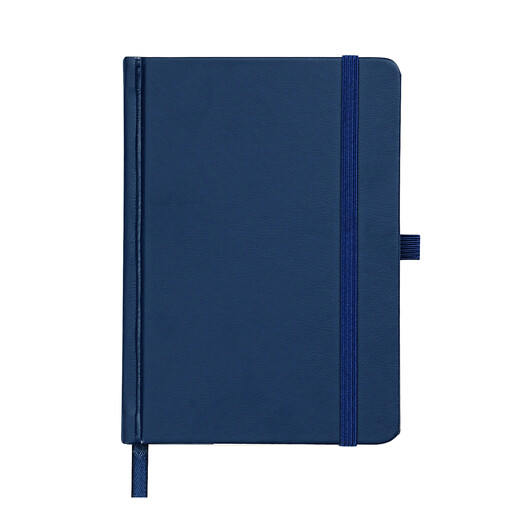
Why we love it: This notebook combines a pocket-friendly size with thoughtful features for daily use. Its rigid PU leatherette cover gives it a professional look and excellent durability, while its 100 g/m? paper ensures a truly comfortable writing experience.
Its strengths:
Who is it for? For mobile professionals, journaling enthusiasts, and anyone who wants a smart, compact notebook to capture ideas on the fly.
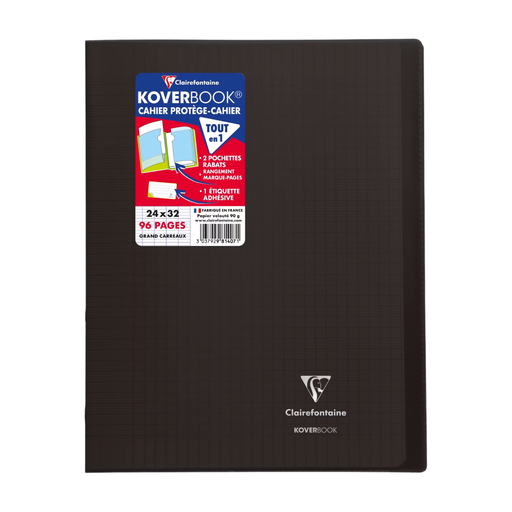
The concept: The Koverbook is Clairefontaine's stroke of genius: a notebook with its own built-in cover. No more chores of buying and fitting a plastic book protector! Its two large flaps serve as both bookmarks and pockets for loose papers.
Its strengths:
Who is it for? For middle and high school students looking for a practical, sturdy school notebook that can survive a hectic school year.
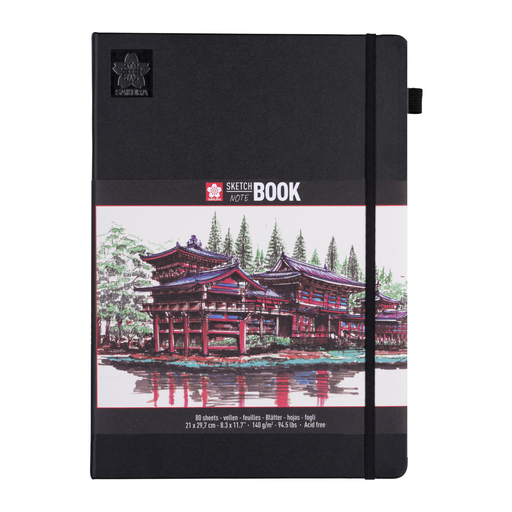
The creative promise: Designed for creatives, this A4 notebook from Sakura is much more than a simple notepad. Its thick 140 g/m? paper makes it a true sketchbook, able to handle ink, pencil, pastel, and charcoal without any bleed-through.
Its strengths:
Who is it for? For artists, illustrators, designers, and all creative minds looking for a quality medium for their sketches, finished pieces, or visual projects.
Our selection highlights some key models, but the world of stationery is endless. If you're specifically looking for a blank sketchbook with a particular paper texture or other options for your creations, explore our full collection.
1. What's the difference between a notebook and an exercise book? Although the terms are often used interchangeably, they have their nuances. An "exercise book" (cahier) is typically for school or office use: large format (A4, 24x32 cm), softcover, and staple- or spiral-bound. A "notebook" (carnet) is often more compact (A5, A6), with a stitched binding and a more refined cover (hardcover, leatherette), making it suited for more personal or on-the-go use.
2. What paper weight should I choose for a notebook? It all depends on your writing tools! For a simple ballpoint pen, 80 g/m? paper is sufficient. If you're a fan of fountain pens or felt-tip markers, aim for quality paper of 90 g/m? or 100 g/m? to prevent ink from bleeding through. For drawing, a minimum of 120 g/m? is required.
3. How do I keep a personal journal in a notebook? To keep a personal journal, the most important thing is to choose an object you love. Opt for a notebook that is pleasing to the touch and eye, such as a hardcover model in A5 or A6 size. Quality paper (90 g/m? minimum) will turn writing into a real pleasure. The secret is consistency: whether you're putting your thoughts on paper, tracking your goals, or simply recounting your day, the key is to choose a companion that makes you want to write.