
Livraison le jour même ou le lendemain

Qualité garantie

Débloquez vos offres de bienvenue: Livraison GRATUITE | Jusqu'à -80 % | 30 jours d'essai gratuits à JoyPlus
Téléchargez l'application
Want to roll sushi, maki, or onigiri worthy of a Japanese master, without leaving your kitchen?? The secret ingredient is the nori sheet. This thin Japanese seaweed is the cornerstone of these delicacies, but with so many options available, how do you choose the right one??
Don't worry. Our team of experts has vetted the market to help you make the right choice. This guide provides all our tips for finding the perfect nori seaweed for your recipes and presents our selection of the best products to get you started.
Before you grab the first pack you see, here are the essential criteria to ensure you make the right choice.
Most of the sheets you'll find in stores are toasted nori (yaki-nori). Already roasted, they are ready to use. Their crispy texture and distinct umami flavour are perfect for rolling maki or shaping onigiri. Simply dried nori, on the other hand, is not toasted. It's more pliable and is typically used in soups or can be quickly toasted over a flame yourself. For beginners, the toasted version is undoubtedly the easiest to use.
There are several tell-tale signs. A high-quality nori sheet has a very dark green, almost black, and perfectly uniform colour. Be wary of greenish hues or light spots, which are often a sign of lower quality. The sheet should be thin, smooth, slightly glossy, and, most importantly, free of holes or tears. To the touch, it should be crisp and break cleanly.
Nori sheets are generally available in packs of 10, 50, or 100.
Enough theory, let's get practical?! Here are the products that made our list, all available on Joybuy.
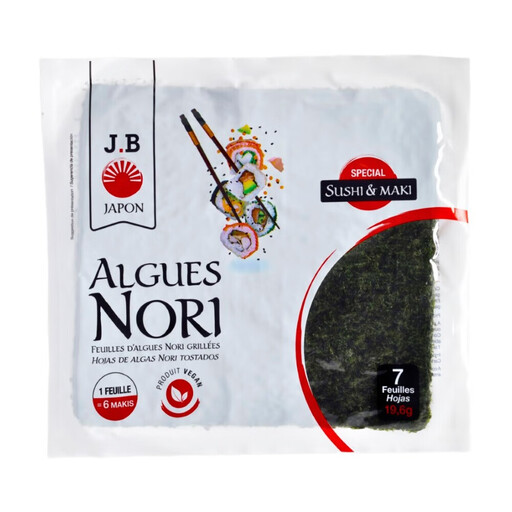
What sets it apart?: This pack is the perfect introduction to the art of homemade maki. Sourced from Japan, this nori seaweed of the Porphyra yezoensis species comes in a 7-sheet format, ideal for an impromptu, waste-free sushi night.
Key features?:
Who is it for?? For beginners or for occasional use, this is a simple, effective, and waste-free option.
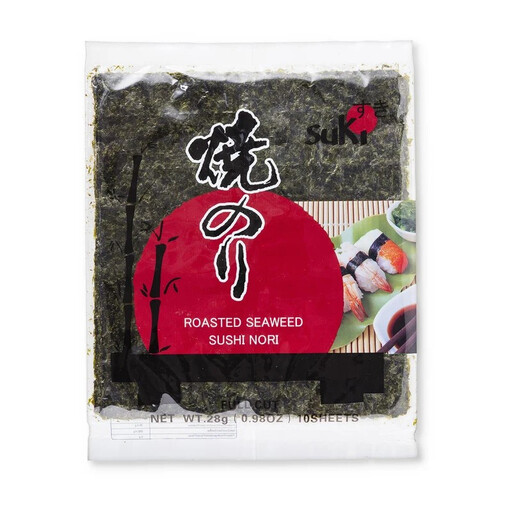
What sets it apart?: These toasted nori sheets are designed for making sushi and onigiri. The 10-sheet format offers an excellent balance between quantity and freshness. Their crisp texture and rich flavour make them a highly versatile choice.
Key features?:
Who is it for?? For fans of Asian cuisine who regularly use nori sheets and are looking for a versatile product.
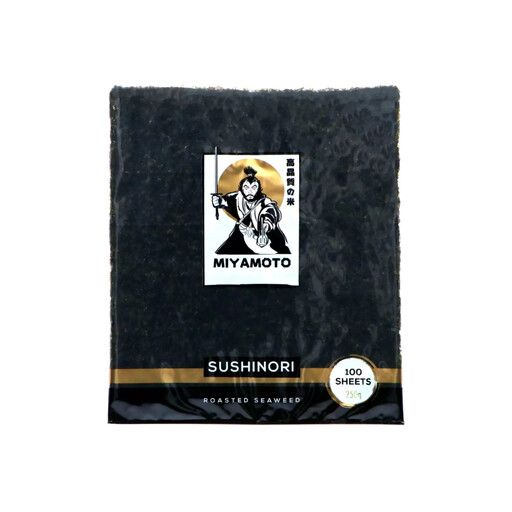
What sets it apart?: With its bulk pack of 100 sheets, this product is aimed at true enthusiasts and large families. It offers the best value for money for those who cook Japanese food weekly. The quality is excellent, with sheets that are dried and then toasted for maximum flavour.
Key features?:
Who is it for?? For "maki addicts," families, and even small restaurant owners who want excellent value without sacrificing taste.
Preparing sushi is a ritual. For a fully immersive experience, the atmosphere is just as important as the ingredients. A minimalist decor, a few natural touches, and your meal becomes a journey.
To perfect this Japanese-inspired atmosphere, why not add a natural fibre rug to your dining room??
? Discover our selection of natural-weave rugs to create a zen and harmonious space.
1. How should I store nori sheets once the pack is open?? Moisture is the sworn enemy of the nori sheet. To keep them perfectly crisp, the solution is simple?: store the remaining sheets in a zip-lock bag or an airtight container, away from light and heat. If your pack includes a small desiccant packet, leave it inside. Have your sheets gone soft?? Don't panic?: pass them over a flame for a few seconds or warm them in a very low oven to bring them back to life.
2. What's the difference between nori and other Japanese seaweeds?? Nori is a type of red algae (Porphyra) that is pressed, dried, and often toasted into thin sheets. Japanese cuisine uses many other seaweeds?: wakame (for miso soup), kombu (essential for dashi broth), and hijiki (the small black seaweeds served in salads). Each seaweed has its own unique taste, texture, and use?!