
Livraison le jour même ou le lendemain

Qualité garantie

Débloquez vos offres de bienvenue: Livraison GRATUITE | Jusqu'à -80 % | 30 jours d'essai gratuits à JoyPlus
Téléchargez l'application
By Joybuy, Product Curation ExpertPublished on: July 4, 2026
The din of the open-plan office, the roar of public transport, the chatter of neighbours… Finding your focus or simply enjoying your music has become a real uphill battle. A noise-cancelling headset is no longer a mere gadget, but an essential ally for creating your own bubble of silence.
Faced with a jungle of available models, it's easy to feel overwhelmed. Our mission at Joybuy is to clear the path for you. This guide presents our top picks and the keys to finding the perfect companion for your workdays, travels, or musical breaks.
Before you dive in, let's review the crucial points that will guide your choice.
The choice of form factor depends mainly on your use case.
But noise cancellation isn't everything! Sound quality remains a primary criterion. Look for terms like High-Resolution Audio (Hi-Res), a guarantee of more faithful and detailed sound reproduction. Codecs like LDAC or AAC are also a bonus, as they ensure better audio signal transmission over Bluetooth.
For professionals, microphone quality is a non-negotiable criterion. A good headset for calls must feature dedicated technologies (like ENC, Environmental Noise Cancellation) to filter out ambient noise and ensure your voice remains perfectly clear.
A good battery life will prevent you from running out of power in the middle of your workday. Be sure to check the battery life of the earbuds themselves, as well as the total endurance offered by the charging case.
Other details can tip the scales: water and dust resistance (IP rating), essential for sports earbuds, the responsiveness of touch controls, or multipoint connection to switch effortlessly between your computer and your smartphone.
Here are the models that caught our eye, each standing out for its performance and market position.
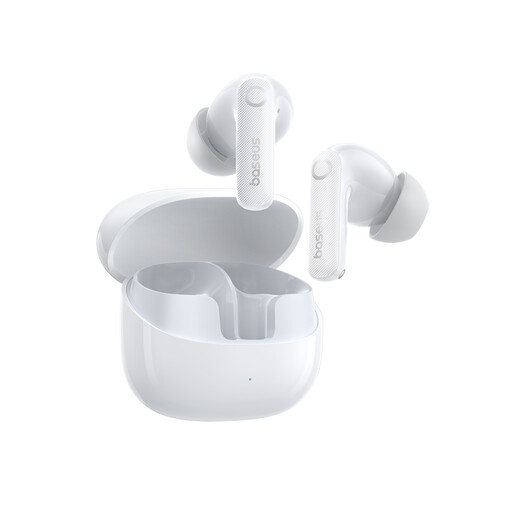
Why they stand out: The Baseus EP10 Pro are a surprise, packing technologies often reserved for high-end models, like Hi-Res audio and the LDAC codec, at a very aggressive price point.
Key features:
Who is it for? For audiophiles and nomads who want premium features and marathon battery life without breaking the bank.
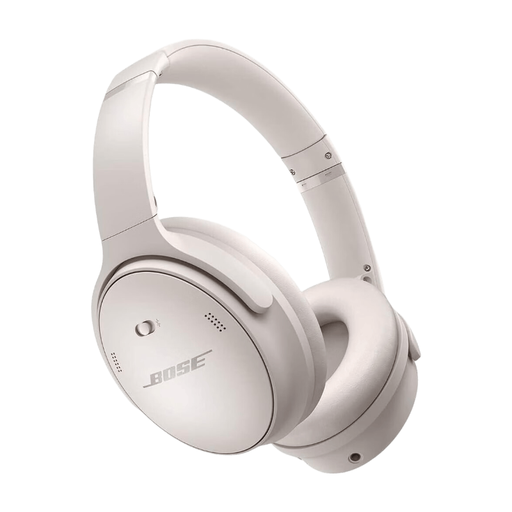
Why it stands out: The Bose name is synonymous with active noise cancellation. The QuietComfort continues this legacy with stunning sound isolation and comfort designed for very long listening sessions.
Key features:
Who is it for? Frequent flyers, professionals in open-plan offices, and generally, anyone for whom silence isn't an option, but a requirement.

Why they stand out: A must-have, the AirPods Pro owe their success to their magical integration into the Apple ecosystem. This new generation drives the point home with welcome improvements.
Key features:
Who is it for? Without a doubt, for fans of the Apple ecosystem who prioritise a user experience of unparalleled simplicity and fluidity.
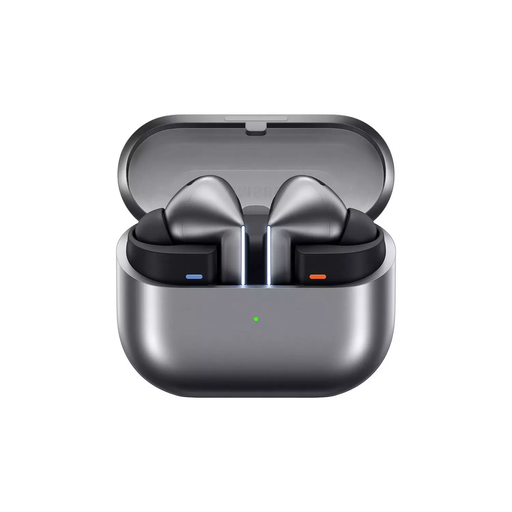
Why they stand out: Samsung strikes back by focusing on audiophile sound quality, with 24-bit Hi-Fi sound and a dual-driver system. The noise cancellation, boosted by Galaxy AI, promises smart, custom-tuned isolation.
Key features:
Who is it for? Users of Samsung Galaxy devices in search of a high-fidelity audio experience and perfect synergy with their equipment.
Looks matter, too! If you have a soft spot for pristine white finishes, take a look at our selection of white Bluetooth earbuds to find your perfect match.
1. What's the difference between active (ANC) and passive noise cancellation? Passive reduction is the mechanical isolation provided by the product's design: a headphone's earpads that enclose the ear, or the silicone tips of earbuds that fit into the ear canal. ANC (Active Noise Cancellation) is an electronic technology: external microphones capture ambient sounds, and a processor generates an opposing sound signal (an "anti-noise") to cancel them out before they reach your eardrums.
2. Are noise-cancelling headphones effective for calls? Absolutely. Most recent models are even excellent headsets for calls. They feature multiple microphones and sophisticated algorithms to isolate your voice from background noise (wind, traffic, chatter). The result: the person on the other end will hear you loud and clear.