
Livraison le jour même ou le lendemain

Qualité garantie

Débloquez vos offres de bienvenue: Livraison GRATUITE | Jusqu'à -80 % | 30 jours d'essai gratuits à JoyPlus
Téléchargez l'application
Whether you're on public transport, in an open-plan office, or simply looking for some peace and quiet, ambient noise can be a major distraction. A high-performance pair of noise-cancelling Bluetooth headphones is no longer a luxury, but an essential tool for focusing, relaxing, or fully immersing yourself in your music.
With a dizzying array of options on the market, it can be difficult to know where to start. Between the different form factors, technologies, and brand promises, how do you make the right choice? This guide is here to help you decode the essential features and find the model that perfectly fits your lifestyle.
Before diving into our selection, let's review the essential criteria for making the right choice.
The ideal form factor will primarily depend on your habits and comfort preferences.
Long battery life is a crucial factor, especially for mobile professionals and frequent travellers. Check the advertised battery life for the earbuds alone, as well as the total provided by the charging case. The inclusion of a USB-C headphone charging port is now a standard that simplifies your life, allowing you to use the same cable as your smartphone or laptop. The ability to make hands-free calls with impeccable voice clarity is also a real bonus for daily use.
Active noise cancellation (ANC) technology has evolved tremendously. Some models offer adaptive ANC, which automatically adjusts the level of cancellation based on your surrounding environment. For audiophiles, compatibility with high-resolution audio codecs (like LDAC) is a true mark of quality, ensuring a wireless listening experience that preserves every detail of your favourite tracks.
We have selected four products that stand out from the crowd, each catering to a specific user profile.
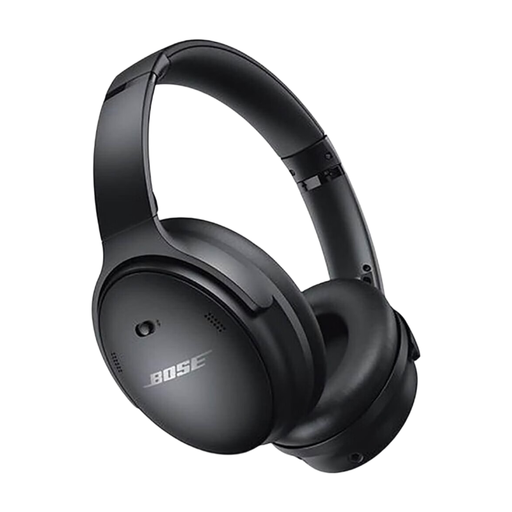
Why it stands out?: The Bose QuietComfort is THE gold standard for noise cancellation. These over-ear headphones are designed to deliver remarkable sound immersion and comfort, even for hours on end.
Highlights?:
Who is it for? Frequent travellers and professionals in open-plan offices who need top-tier sound isolation and unbeatable comfort.
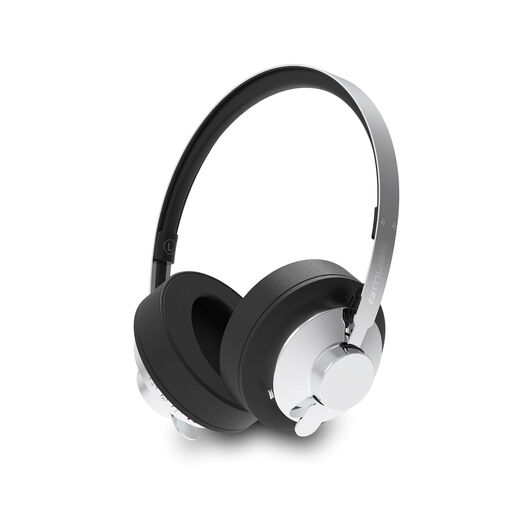
Why it stands out?: The Muse M-298 SBL is the clever contender in our lineup. It offers a comprehensive spec sheet, record-breaking battery life, and numerous accessories, all at a very attractive price point.
Highlights?:
Who is it for? Users looking for versatile headphones with very long battery life for mixed daily use (music, calls, podcasts) without breaking the bank.
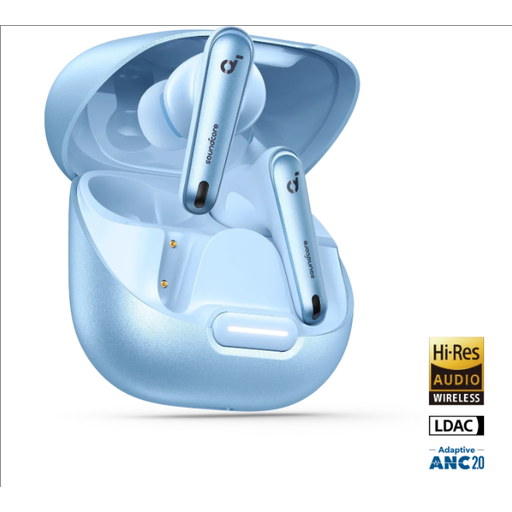
Why they stand out?: These in-ear earbuds pack a maximum of cutting-edge technologies, like adaptive ANC and high-resolution audio support, into an ultra-compact form factor.
Highlights?:
Who are they for? People on the go and music lovers who prefer the discretion of wireless earbuds but refuse to compromise on noise cancellation and sound quality.
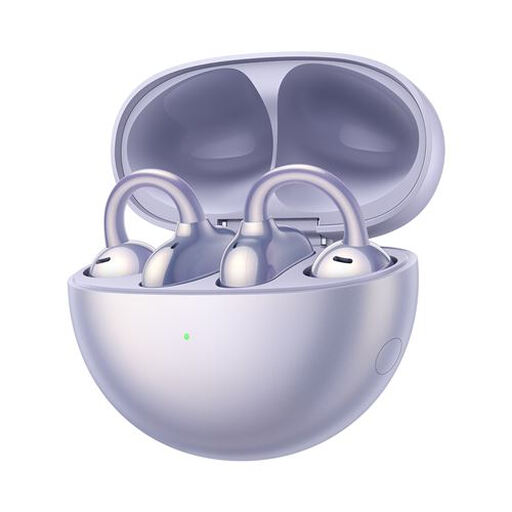
Why it stands out?: The Huawei FreeClip takes a radically different approach with its open-ear design. It doesn't go inside the ear but clips on comfortably, allowing you to remain fully aware of your surroundings.
Highlights?:
Who is it for? Athletes, urban cyclists, and professionals who need to take calls and listen to music while remaining fully attentive to the sounds around them.
Our selection is just a glimpse into a bustling market. To explore further, feel free to browse our complete audio equipment category.
1. What's the difference between active (ANC) and passive noise cancellation? Passive noise cancellation is purely mechanical?: it's the physical isolation created by the headphones (especially over-ear models) that blocks sound. Active noise cancellation (ANC) is a technology?: microphones pick up external noise, and the headphones generate an opposing sound signal to cancel it out before it reaches your ear.
2. Are noise-cancelling headphones bad for your ears? No, quite the opposite. By reducing background noise, this technology often allows you to listen to your music at a lower volume, which helps protect your hearing. Of course, the golden rule remains the same?: avoid listening at excessive volumes for long periods.
3. Can you use Bluetooth headphones on a plane? Yes, the use of Bluetooth devices is permitted on most airlines once cruising altitude is reached. In fact, active noise cancellation is particularly effective at cancelling out the constant drone of airplane engines, making the journey much more pleasant. A tip?: always check your airline's specific rules before takeoff.