
Livraison le jour même ou le lendemain

Qualité garantie

Débloquez vos offres de bienvenue: Livraison GRATUITE | Jusqu'à -80 % | 30 jours d'essai gratuits à JoyPlus
Téléchargez l'application
Giving your dog a treat is a shared moment of joy. But how can you be sure that this reward is as good for their health as it is for their spirits? The problem is that the shelves are overflowing with options, and it's easy to get lost. This guide is here to help you make sense of it all. We'll break down the essential criteria (composition, use, etc.) for choosing the right natural chicken treat for your dog. The goal: to give you all the tools you need to make the best choice, prioritising their well-being above all else.
Before diving into our selection, let's review the key points to check before you head to the checkout.
Ingredient transparency is the first sign of a trustworthy product. For a treat that claims to be "chicken-flavoured," chicken meat must be listed as the first ingredient. This proves it's the primary component. A good rule of thumb is to favour short, clear ingredient lists. A high-protein dog treat is excellent for their muscle mass. Meanwhile, a grain-free formula is perfect for dogs with sensitive digestion or those prone to allergies.
Not all treats are created equal, depending on when you give them.
Every dog is unique. For a neutered, overweight, or simply less active dog, a low-calorie treat is essential for weight management. The golden rule: treats should never make up more than 10% of their daily calorie intake.
We've selected products that stand out for their composition and format, designed for different types of dogs.
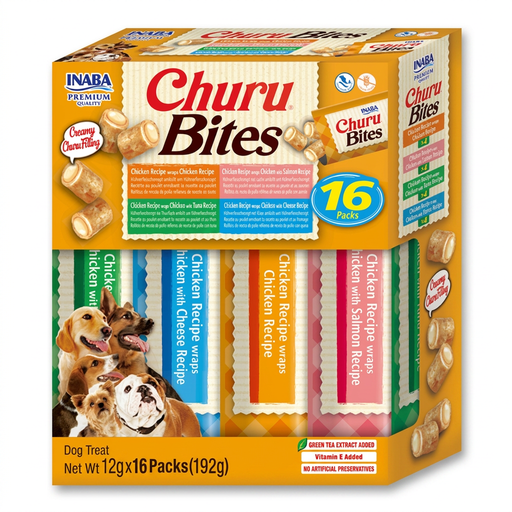
Why they stand out: These bites feature a surprising dual texture: a soft, baked exterior that encases a creamy chicken filling. High in water content, they help keep your dog hydrated without sending the calorie count soaring.
Key features:
Best for? Perfect for strengthening your bond by hand-feeding. Its creamy texture is also a great trick for hiding medication or making a boring bowl of kibble much more appealing. Suitable for dogs of all sizes and ages.
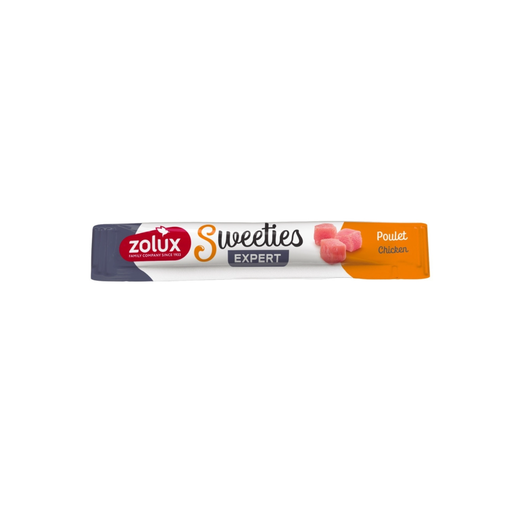
Why it stands out: This ultra-creamy stick is notable for its formula, which contains over 95% natural ingredients. With no added sugars and virtually no fat, it's a very smart choice for less active dogs.
Key features:
Best for? Ideal for dogs over 3 months old, including neutered or less active pups, thanks to its feather-light formula. It's the perfect example of a low-calorie treat for a guilt-free indulgence.
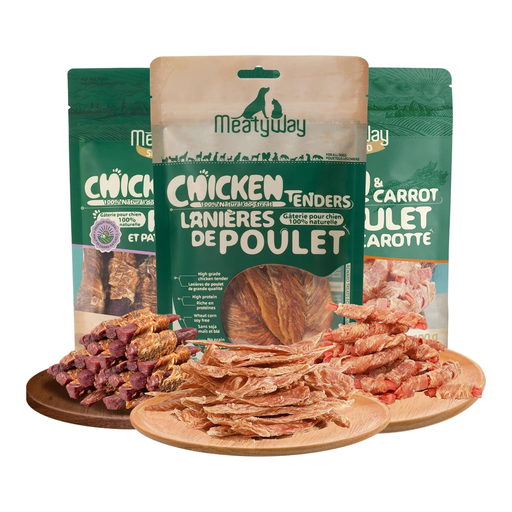
Why they stand out: The concept: real dried chicken meat, tenderly wrapped around vegetables packed with benefits (purple sweet potato and carrot). Their soft, easy-to-chew texture contributes to dental hygiene.
Key features:
Best for? Suitable for dogs of all sizes and life stages. It's a great option for owners looking for a healthy dog treat that combines pleasure, nutrition (protein and vegetable fibres), and dental benefits.
We've focused on chicken, but every dog has its own tastes and needs. If you want to discover other flavours, textures, or formats (biscuits, chew sticks, etc.), feel free to explore our full range.
? Discover our full range of dog treats
1. How many chicken treats can I give my dog? The golden rule: treats should not make up more than 10% of your dog's daily calorie intake. Always refer to the instructions on the packaging, as recommended amounts vary depending on your pet's weight, age, and activity level.
2. Is a grain-free dog treat always better? Not necessarily. Grain-free formulas are primarily beneficial for dogs with a known sensitivity or allergy. For most dogs, a reasonable amount of grain poses no problem. The key is to prioritise high-quality ingredients and a balanced overall composition.
3. How can I use treats effectively for dog training? For training, choose a small, highly palatable reward that is quick to eat. The idea is to instantly reward good behaviour without breaking the flow of the exercise. Soft treats or mini-bites are ideal for this. Use them as a positive reinforcement tool to acknowledge commands and good behaviour.