
Livraison le jour même ou le lendemain

Qualité garantie

Débloquez vos offres de bienvenue: Livraison GRATUITE | Jusqu'à -80 % | 30 jours d'essai gratuits à JoyPlus
Téléchargez l'application
The check engine light comes on, and the anxiety begins. Do you head to the garage, dreading a hefty bill?? Or is it possible to figure out the source of the problem yourself?? For car enthusiasts and DIY mechanics, the multi-brand diagnostic tool is an essential piece of kit. It allows you to communicate directly with your vehicle, identify faults, and even perform certain maintenance tasks yourself.
This guide is here to help you choose the OBD2 diagnostic tool that best suits your needs. We'll break down the key criteria and present a selection of models with unbeatable value, all without unnecessary jargon.
Before diving into our selection, it's crucial to understand what separates a simple gadget from a genuine diagnostic tool. Here are the key points to check.
An entry-level fault code reader will only read and clear errors related to the engine and emissions (OBD2/EOBD standard). This is often enough to turn off that notorious check engine light. But an all-system car diagnostic tool goes much further. It can query all of the vehicle's electronic control units (ECUs)?: ABS, airbags (SRS), transmission, air conditioning, and more. For a complete and reliable analysis, a model that covers all systems is essential.
The real power of a modern diagnostic tool lies in its service functions. They allow you to perform maintenance procedures that previously required a costly trip to the dealership. Some of the most useful include?:
The more functions a tool offers, the more independent you become.
Traditional models are self-contained units with their own screen. More modern Bluetooth car scanners come in the form of a small adapter (or dongle). It plugs into the vehicle's OBD2 port and communicates wirelessly with an app on your smartphone or tablet (iOS/Android). This solution is often more flexible, benefits from regular software updates, and provides a more user-friendly interface. A word of advice?: check that the app is available in your language and that major updates are free for life, with no hidden subscription fees.
We have selected three models that stand out for their versatility and excellent value.
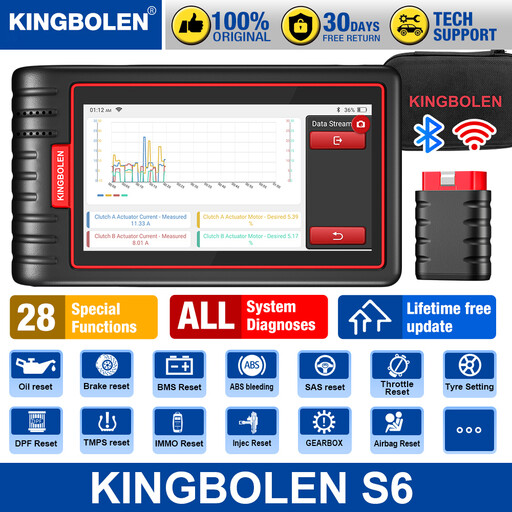
Why It Stands Out
The KINGBOLEN S6 is a comprehensive tool that combines the convenience of a standalone unit with a touchscreen and the flexibility of a Bluetooth connection. It's designed for those who want an all-in-one device without relying on a smartphone.
Pros
Who Is It For?
Ideal for the advanced DIY mechanic or small workshop looking for a robust, standalone, and comprehensive tool without any subscription fees.
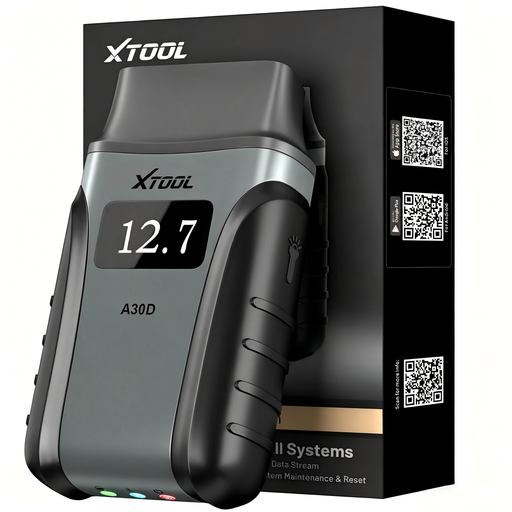
Why It Stands Out
The XTOOL A30D is a Bluetooth car scanner that turns your smartphone or tablet (iOS/Android) into a professional-grade diagnostic tool. Its key strength is its ability to perform active tests (bi-directional control), a feature typically reserved for much more expensive equipment.
Pros
Who Is It For?
Perfect for the advanced user or professional who wants to not only read faults but also actively test components for high-precision diagnostics, all from their smartphone.
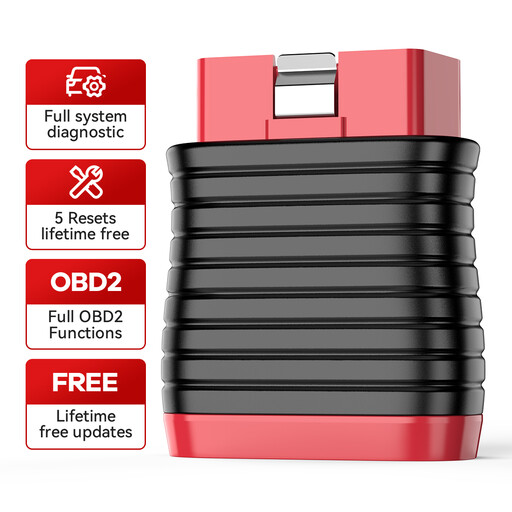
Why It Stands Out
The THINKCAR BD6 is a compact and affordable Bluetooth dongle, perfect for a first step into car diagnostics. It focuses on the most requested functions, with a major advantage?: its key features are free for life.
Pros
Who Is It For?
The smart choice for the car owner who wants to perform basic maintenance (oil changes, brakes) and identify faults across all systems, without the hassle of a complex and expensive tool.
Our selection is just a glimpse of the possibilities offered by modern diagnostic tools. Because every vehicle and every user has unique needs, feel free to explore other models. To discover a wider range, from simple code readers to professional programming tools, browse our complete category.
? Discover all car diagnostic and programming tools
1. Can a diagnostic tool damage my car?? No, if used correctly. A diagnostic tool is primarily a reading device that queries the ECUs without modifying anything. More advanced functions (resets, active tests) are secure, but of course, they must be used wisely and with a proper understanding of what you are doing.
2. What's the difference between a code reader and an all-system tool?? A simple code reader is limited to the engine and emissions system (OBD2 standard). It reads and clears fault codes starting with "P" (Powertrain). An all-system car diagnostic tool communicates with all electronic modules?: ABS (codes "C"), Body (codes "B"), Chassis, etc. It provides a much more comprehensive health check of the vehicle.
3. Do I need to pay a subscription to use these tools?? It depends on the brand. Fortunately, the trend is towards free lifetime updates for diagnostic functions, as is the case with the three models in our selection. This is a critical factor to check before purchasing to avoid any unpleasant surprises. Always read the product description carefully to know what is included for free and what might require payment later on.