
Livraison le jour même ou le lendemain

Qualité garantie

Débloquez vos offres de bienvenue: Livraison GRATUITE | Jusqu'à -80 % | 30 jours d'essai gratuits à JoyPlus
Téléchargez l'application
Is a musty smell clinging to your favourite clothes?? Are you seeing damp patches or, even worse, mould at the back of your closet?? This is an unmistakable sign of excess moisture. Fortunately, it's not a lost cause, and simple, effective solutions are available to help you take back control.
This guide reviews the best options for freshening up your storage spaces. We'll break down the key selection criteria and introduce you to smart products designed to protect your fabrics and restore a healthy environment.
Before you start, a few key criteria will help you find the perfect product for your needs.
Format is the first criterion, as it directly depends on the area you need to treat. A hanging moisture absorber bag is perfect for a wardrobe or walk-in closet. For a drawer, a small box or a flat sachet will be more discreet. If you're targeting an entire room like a basement or garage, a large-capacity absorber tub or a multi-pack of dehumidifiers will be much more effective. Don't forget special cases, like a moisture solution for an RV, which needs to be compact and stable during travel.
Moisture often goes hand-in-hand with a stubborn musty smell. Some absorbers tackle both issues by incorporating a fragrance. A lavender-scented sachet, for example, doesn't just capture excess water?; it also delicately perfumes your wardrobe for a lasting clean and fresh feeling.
A moisture absorber is good. Tackling the root cause is better. Often, the culprit is simply a lack of air circulation, made worse by overstuffed closets. Reorganising the space or choosing better-ventilated storage furniture can be the best long-term solution for wardrobe mould, complementing the work of an absorber.
To guide you, we've selected three products that each meet a specific need.
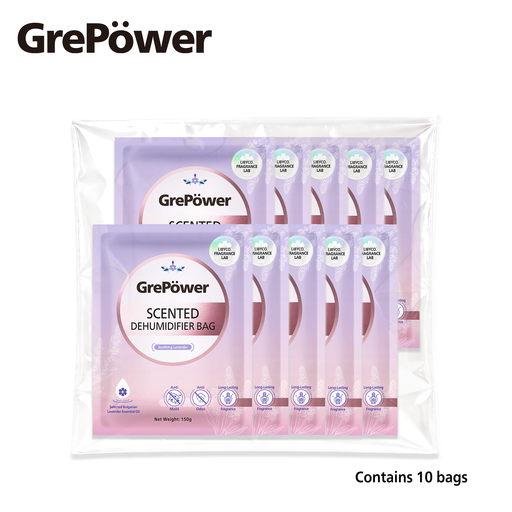
This is THE simplest and most direct solution for tackling moisture in a wardrobe. Its built-in hanger design allows you to slide it right among your clothes, where air circulation is poorest. The calcium chloride crystals inside trap ambient moisture, which turns into water and collects in the lower pouch.
Benefits?:
Who is it for?? Ideal for anyone looking for a "set and forget" solution for their wardrobes and closets, as well as for a holiday home or an RV during winter storage.
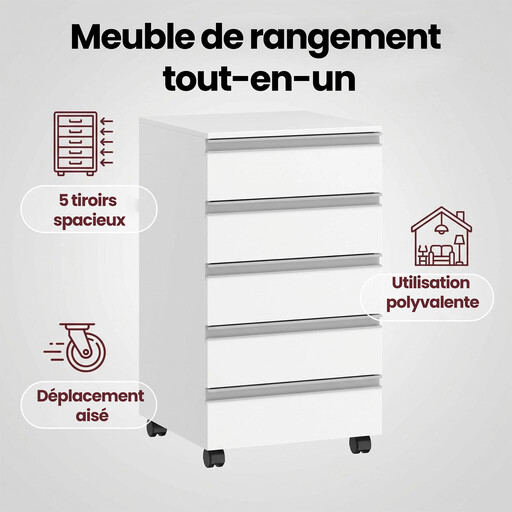
Using a closet dehumidifier is a good start. Tackling the root of the problem is even better. An overstuffed storage space prevents air from circulating, creating a microclimate ripe for moisture. This mobile cabinet offers a structured storage solution that frees up space and improves natural ventilation around your belongings.
Benefits?:
Who is it for?? For those who want to think beyond the moisture sachet and redesign their organisation to prevent dampness issues for good.
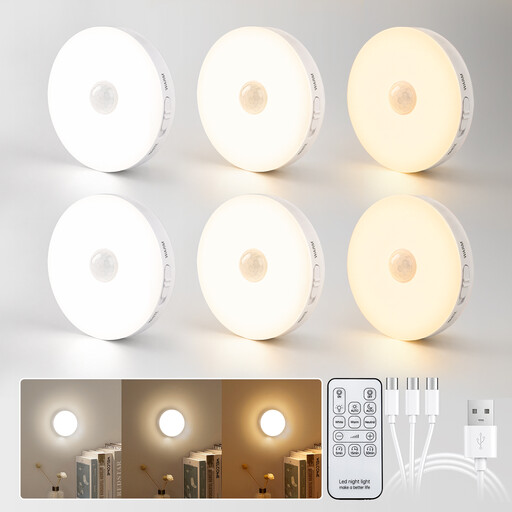
The greatest enemy of damp and mould?? Light. Regularly inspecting the back of a wardrobe, a cupboard under the stairs, or a basement is essential. These motion-sensor lights turn on automatically as you approach, allowing you to check the condition of your walls and belongings effortlessly.
Benefits?:
Who is it for?? Essential for keeping an eye on often-neglected high-risk areas: the back of closets, the basement, the garage, or under the stairs.
Sometimes, the best weapon against moisture is a well-designed wardrobe. The right piece of furniture not only provides better storage but also ensures proper ventilation to protect your belongings.
To discover versatile storage options, including for utility areas like the laundry room or kitchen, explore our complete selection.
? Discover our range of wardrobes and storage solutions
The lifespan of an absorber depends on its size and the ambient humidity level. For a moisture absorber bag in a wardrobe, you can generally expect 4 to 8 weeks of effectiveness. Replace it as soon as the collection pouch is full or the crystals have completely dissolved. A quick check once a month is all it takes.
No, its role is preventative. It dries the air to stop mould from developing. If you're looking for a solution for wardrobe mould because it's already present, you must clean the affected areas with a suitable product before placing the absorber to prevent it from returning.
Absolutely not. These products are specifically designed for use near textiles. A hanging dehumidifier is designed to never come into direct contact with clothing. The only precaution is to ensure the pouch containing the collected water is not punctured, as the liquid can be mildly corrosive. Always follow the manufacturer's instructions for safe use.