
Livraison le jour même ou le lendemain

Qualité garantie

Débloquez vos offres de bienvenue: Livraison GRATUITE | Jusqu'à -80 % | 30 jours d'essai gratuits à JoyPlus
Téléchargez l'application
Choosing a helmet is arguably the most important decision a motorcyclist or scooter rider can make. Should you opt for the uncompromising protection of a full-face helmet or the open-air freedom of a jet-style, so practical for city riding? This is where the modular motorcycle helmet, also known as a flip-up helmet, comes in—a proven, intelligent compromise. It combines the protection of a full-face helmet with the convenience of a jet-style when you're stopped.
This guide breaks down the essential criteria for choosing the right modular helmet and presents our selection of the best models for 2026.
Before we get to the models, let's review the key points that separate an excellent modular helmet from a basic one. Here are the criteria you should never overlook.
Safety is the non-negotiable factor. Since 2022, the new ECE 22.06 standard has become the benchmark in Europe. Far more stringent than the old 22.05 standard, it mandates more comprehensive impact tests, including for oblique impacts (which cause head rotation) and at various speeds.
For a modular helmet, one detail is crucial: the dual P/J certification.
Choosing an ECE 22.06 certified motorcycle helmet ensures you get the highest level of protection currently available.
A helmet is worn for hours on end, so comfort is not an option.
Technology is also making its way into helmets. More and more models include a dedicated space for a communication system. If you ride with others or like to listen to GPS directions, choosing a modular helmet that is pre-equipped for an intercom (often mistakenly called a Bluetooth helmet) will make your life much easier.
Finally, don't underestimate the chin strap closure system. The micrometric buckle is incredibly convenient for daily use, while the Double-D ring, the gold standard in racing, is renowned for its unbeatable security.
With these criteria in mind, here is our selection of helmets that check all the right boxes, whether you're looking for a men's or women's motorcycle helmet or a model suited for scooter use.
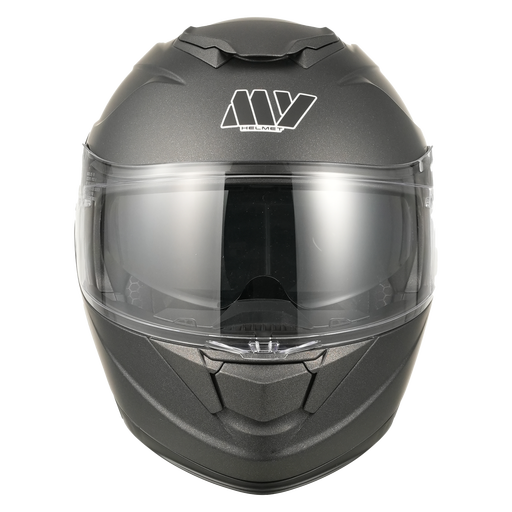
What makes it stand out This model is the epitome of a great modern modular helmet. It checks all the boxes: the safety of ECE 22.06 certification and all the features you'd expect for versatile use, from city commuting to long-distance tours.
Key features:
Best for? For motorcyclists and scooter riders looking for a versatile, do-it-all helmet: certified, multi-purpose, and intercom-ready. Perfect for daily commutes and weekend rides alike.
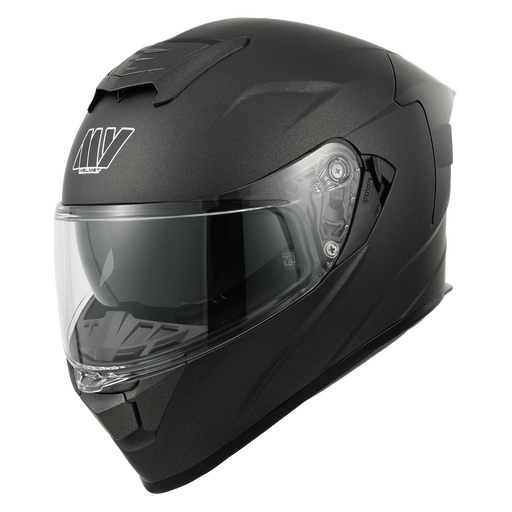
What makes it stand out While not a modular helmet, this full-face model is an excellent alternative for those who swear by the rigidity of a single-piece shell. It offers a maximum level of protection, certified ECE R 22.06, while incorporating modern comfort features.
Key features:
Best for? For riders who prioritise structural protection above all else and prefer the simplicity and robustness of a full-face helmet, without sacrificing modern comforts.

What makes it stand out Note, this is a different category altogether! This helmet stands out for its extreme light weight and ventilation, designed for sports. With its ABS shell and EPP liner, it's built for disciplines where every gram and every bit of airflow counts.
Key features:
Best for? This model is specifically designed for downhill mountain biking (DH), BMX, and enduro. Please note: this helmet is designed for cycling and is absolutely not certified for motorcycle or scooter use on public roads.
The full-face helmet remains the gold standard for protection and soundproofing. If you believe nothing beats the rigidity of a single-piece shell and the quiet ride it provides, explore our complete range.
Discover our selection of full-face helmets
1. What is the difference between a modular and a full-face helmet? A full-face helmet is made from a single piece (monobloc), giving it maximum rigidity and protection. A modular helmet, on the other hand, has a chin bar that lifts up, transforming it into a jet-style helmet when stopped. It offers greater versatility, sometimes at the expense of the lighter weight and better soundproofing found in a comparable full-face helmet.
2. Is the ECE 22.06 standard mandatory for a motorcycle helmet? Yes. As of January 2024, all helmets manufactured and sold in the EU must be ECE 22.06 certified. This is a major safety guarantee, as the tests are much stricter than those of the old standard. We strongly recommend choosing only a helmet that complies with this new certification.
3. Can you install a Bluetooth kit on any modular helmet? In theory, yes, you can install a universal kit on almost any helmet. In practice, choosing a model with a dedicated space (known as "intercom-ready") is infinitely simpler and more comfortable. This ensures a perfect integration of the speakers and microphone, without uncomfortable pressure points or risky modifications that could compromise safety.