
Livraison le jour même ou le lendemain

Qualité garantie

Débloquez vos offres de bienvenue: Livraison GRATUITE | Jusqu'à -80 % | 30 jours d'essai gratuits à JoyPlus
Téléchargez l'application
Finding that one pair of do-it-all trousers—the ones that can seamlessly take you from a morning bike commute to an office meeting and then out for the evening? The mission can often feel like an impossible task. Jeans lack flexibility, chinos can't handle a surprise shower, and sportswear is rarely welcome in a professional setting. This is precisely where men's technical trousers come in, establishing themselves as the clear solution for modern, active lifestyles.
In this guide, we break down the essential criteria to consider before you buy and present our selection of the best models that never sacrifice style for performance.
Technical trousers aren't just another item of clothing?: they're a piece of equipment designed for an active daily life. Here are the key points to check to make the right choice.
The performance of technical trousers hinges on their fabric. Look for compositions that combine several key properties?:
The days when technical clothing meant baggy, unflattering cuts are long gone. Today, the men's smart jogger perfectly illustrates this fusion of comfort and style. Opt for slim (but not skinny) fits like tapered cuts that streamline the silhouette. A clean design, free of superfluous seams or overly visible logos, will integrate much more easily into formal outfits.
A pair of men's travel trousers must be practical. The details that make all the difference?:
Here are a few models that stand out, each designed for a specific purpose.
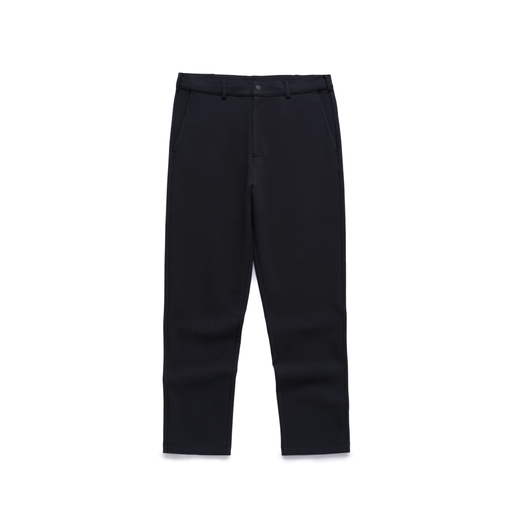
Why It Stands Out
This model is the archetype of the men's smart jogger. It brilliantly combines the elegance of dress trousers with the comfort of sportswear. Its matte finish and tapered cut create a clean, modern silhouette, perfect for transitioning from the office to after-work drinks without needing to change.
Advantages
Who Is It For?
For the active urbanite looking for the new cornerstone of their wardrobe. Perfect as bike commuter trousers for those who need to stay sharp upon arrival, or as men's travel trousers to combine comfort and style on long journeys.
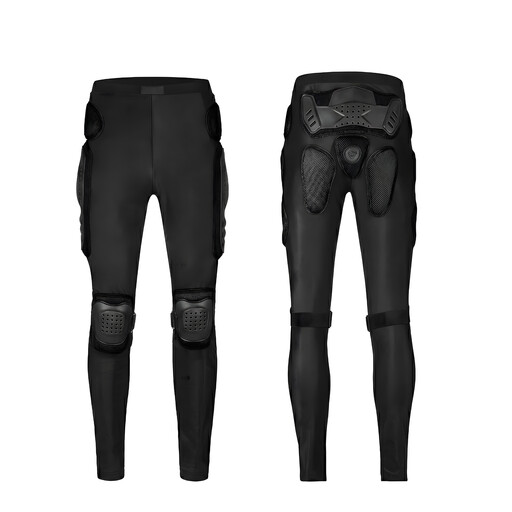
Why It Stands Out
Here, the absolute top priority is protection. Designed for high-risk activities, it incorporates rigid protective shells and EVA foam padding in the most exposed areas (hips, thighs, knees). This is a piece of safety equipment first and an everyday garment second.
Advantages
Who Is It For?
Motorcyclists, mountain bikers, motocross riders, or anyone involved in extreme sports requiring reliable protection against falls and impacts. This is a specialised choice where safety function takes precedence over urban style.
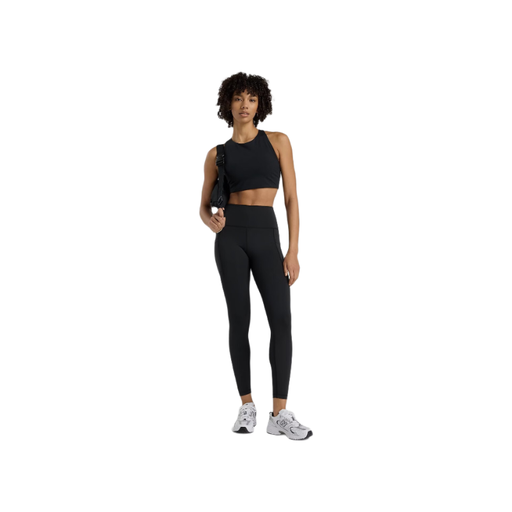
Why It Stands Out
These leggings are a powerhouse of textile technology, engineered entirely for athletic performance. Every aspect of their design is intended to maximise comfort and freedom of movement during intense exertion.
Advantages
Who Is It For?
For athletes looking for a true second skin for their running, fitness, or yoga sessions. This is the ultimate technical garment for training, where pure performance is the number one criterion.
Our selection highlights specific uses, but the world of technical trousers is vast. If you want to explore other styles, cuts, or features, feel free to browse our complete collection. To discover all our models, with their different cuts and finishes, take a look at our trousers size category.
The main difference comes down to the materials. Technical trousers use synthetic fabrics or advanced blends (polyester, nylon, elastane) to offer properties that the cotton in jeans or chinos can't match?: stretch, breathability, quick-drying capabilities, and often, water resistance (water-repellent stretch trousers).
Be careful not to confuse "water-repellent" with "waterproof". Most technical trousers are water-repellent, meaning they can withstand light rain or splashes. Water beads up on the surface without immediately soaking through. A waterproof garment, on the other hand, offers complete protection against water, often thanks to a membrane and sealed seams, but can be less breathable. For daily urban use, water repellency is generally more than sufficient.
To maintain the effectiveness of the water-repellent treatment and the fabric's elasticity, it's best to follow the care label instructions. As a general rule?: wash on a cold, delicate cycle, and most importantly, do not use fabric softener, which can clog the fabric's pores and impair its breathability. Opt for air-drying rather than using a tumble dryer, as the intense heat can damage the synthetic fibres and the water-repellent treatment.