
Livraison le jour même ou le lendemain

Qualité garantie

Débloquez vos offres de bienvenue: Livraison GRATUITE | Jusqu'à -80 % | 30 jours d'essai gratuits à JoyPlus
Téléchargez l'application
Carving a steaming beef roast, holding a Christmas turkey steady for slicing, or flipping a pork chop on the barbecue… these tasks can quickly become a challenge. Without the right tool, you risk burning yourself, having the meat slip, or shredding it instead of serving it perfectly. A good meat fork isn't a gadget; it's the essential ally for clean, safe carving.
At Joybuy, our mission is to find the best products for you. This guide is designed to help you choose THE meat fork that will be a game-changer in your kitchen, whether you're the king of the Sunday roast or a barbecue enthusiast.
Before we get to our selection, let's review the key criteria to help you make the right choice.
The length of the fork is the first criterion to consider, and it's primarily a matter of safety. A large meat fork, typically over 30 cm, is essential for keeping your hands at a safe distance from the heat of the oven or the barbecue embers. This is crucial for handling large cuts without the risk of burns. For versatile use, from the kitchen to the table, a length of 28 to 35 cm is the ideal compromise between protection and manoeuvrability. A dedicated barbecue fork will often be even longer.
The material of the tines determines your utensil's lifespan. A stainless steel meat fork is the most common and wisest choice for its strength, corrosion resistance, and ease of cleaning. Its tines should be long, sharp, and rigid to pierce the meat without tearing it and to hold it firmly.
The handle, on the other hand, determines comfort and grip.
A good roast fork must be perfectly balanced. Its weight should be well-distributed to avoid wrist fatigue. The shape of the handle is just as crucial: it must ensure a firm, comfortable grip—a prerequisite for absolute control over your movements while carving.
Let's get down to business: here are the models that caught our eye, each with its own strengths.
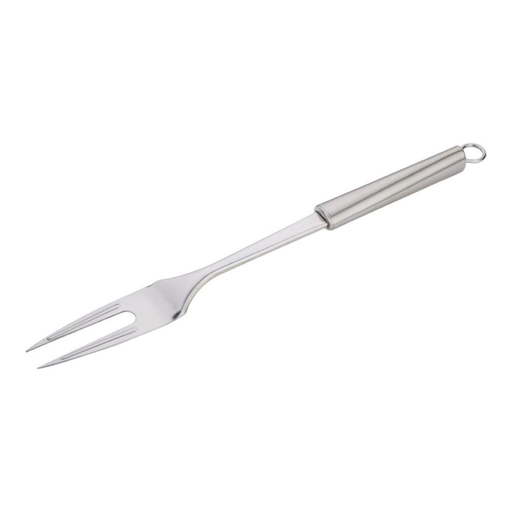
What sets it apart With its generous 34 cm length, this Alpina model is all about safety. It provides the ideal reach for carving a roast at the table or mastering cooking on the grill. The combination of stainless steel and a plastic handle makes for a winning duo in a tool that is as practical as it is versatile.
Key Features
Who is it for? For those looking for a versatile and safe tool, equally at home serving the Sunday roast as it is tackling summer grilling.
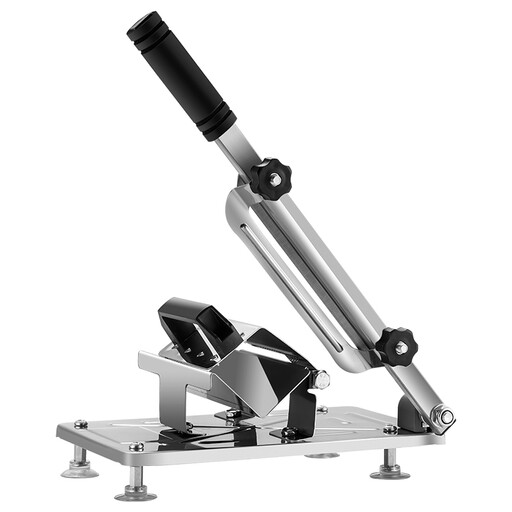
What sets it apart This Maxcook model stands out with its unibody stainless steel construction and large size. It's designed to offer superior reach and control, making it easy to handle the largest cuts of meat. Its single-piece construction is a real bonus for hygiene and durability.
Key Features
Who is it for? Ideal for cooks who prioritise the durability and hygiene of an all-stainless steel utensil and who regularly handle very large cuts like hams or turkeys.
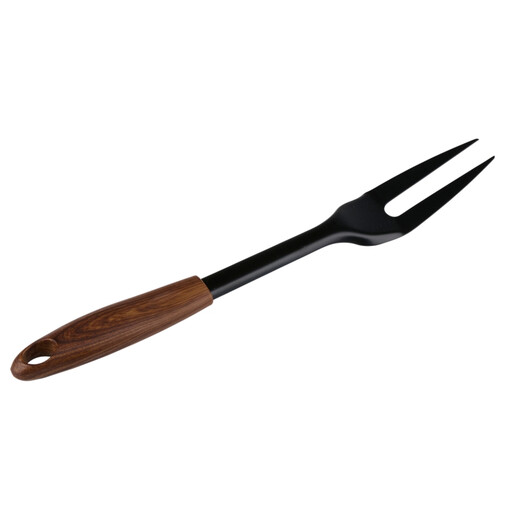
What sets it apart This version of the Alpina fork has a traditional appeal with its sturdy wooden handle and a more compact 29 cm size. It combines classic charm with the reliability of stainless steel for a grip that is as solid as it is comfortable.
Key Features
Who is it for? For lovers of traditional design who appreciate the warm feel of wood and are looking for an effective and manageable roast fork, perfect for serving and carving poultry or standard-sized roasts.
The models featured here are precision tools for carving. For everyday meals, your needs are obviously different.
? Discover our complete selection of dinner forks to complete your cutlery set.
What's the difference between a meat fork and a standard serving fork? The difference is in the design. A meat fork (or carving fork) has two long, straight, sharp, and very sturdy tines designed to pierce and hold a large, hot piece of meat while carving. A serving fork, on the other hand, has shorter and often curved tines and is used to serve already-carved portions.
How do I care for a stainless steel meat fork? All-stainless steel models or those with a plastic handle are generally dishwasher-safe. However, hand washing with warm, soapy water is often recommended to preserve their shine over the long term. For models with wooden handles, it's non-negotiable: hand wash only to avoid damaging the material. In any case, dry the utensil thoroughly before storing it.
Can a meat fork be used on a plancha or barbecue? Absolutely, that's one of its natural habitats! For this use, opt for a long barbecue fork (over 30 cm) to protect yourself from the intense heat. Models with a heat-insulating handle are a significant advantage.