
Livraison le jour même ou le lendemain

Qualité garantie

Débloquez vos offres de bienvenue: Livraison GRATUITE | Jusqu'à -80 % | 30 jours d'essai gratuits à JoyPlus
Téléchargez l'application
Waking up with an aching back is an ordeal too many people know all too well. While multiple factors can be at play, an unsuitable mattress is often the number one culprit. Faced with a jungle of technologies, firmness levels, and marketing claims, choosing the right model can be a real headache.
This guide is here to help you see things more clearly. As product experts at Joybuy, our mission is to provide you with objective analysis so you can make an informed choice—one that's perfectly suited to your needs, relieves your back pain, and helps you reclaim quality sleep.
Before diving into our selection, let's review the essential criteria for choosing a good mattress specifically for back issues.
Contrary to a common misconception, a very firm mattress is not always the silver bullet for back pain. The decisive factor is support. A good mattress must maintain the natural alignment of your spine, whether you sleep on your back, side, or stomach.
The goal is to find the right balance that contours to your body's curves without creating pressure points.
Each technology has its own advantages for your back comfort.
A 7-zone (or 5-zone) mattress is designed to offer differentiated support for different parts of the body. The zones at the shoulders and pelvis are typically softer to allow for a slight sink, while the lumbar zone is firmer for optimal support. This type of design, often called an orthopaedic mattress, promotes the natural alignment of the spine.
Here is our selection of models that stand out for their back-comfort-focused technologies.
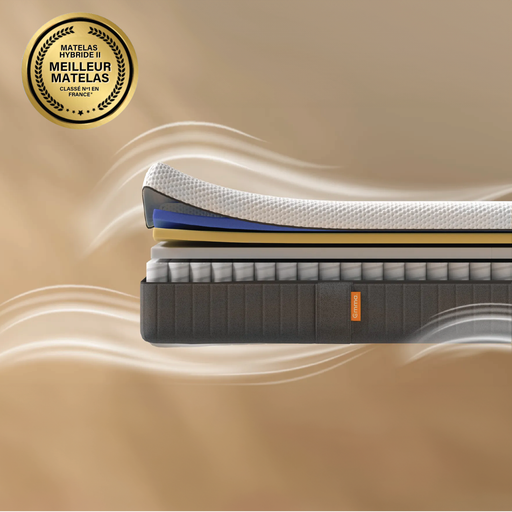
Why we chose it
The Emma Original+ mattress is a hybrid model that combines a layer of memory foam with pocket springs. Its design incorporates Edge-to-Edge spring technology, ensuring consistent support across the entire surface, including the sides. Its 5 ergonomic support zones are designed for ideal pressure distribution.
Advantages
Who is it for?
This mattress is for sleepers looking for balanced comfort—not too firm, not too soft. It's ideal for couples thanks to its motion isolation and for those who tend to sleep hot.
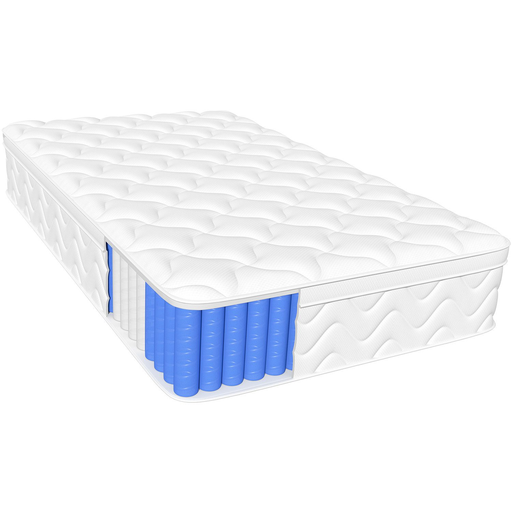
Why we chose it
This GTIMEX model focuses on technical and precise support. It features a 9-layer comfort structure and a system of 2.1 mm diameter carbon steel pocket springs. Its 7-zone ergonomic design is engineered to adapt to the weight of each body part, offering targeted orthopaedic support.
Advantages
Who is it for?
Ideal for sleepers who are looking for a firm mattress and very precise orthopaedic support. Its robustness also makes it an excellent choice for heavier individuals (max load of 150 kg) and for those who prioritise durability.
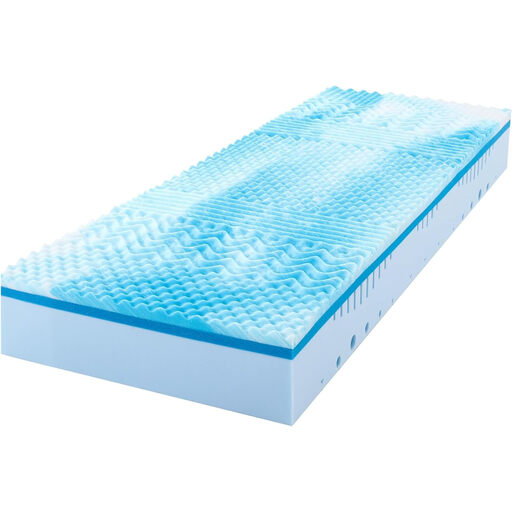
Why we chose it
The MLILY PRO is an all-foam mattress that incorporates an innovative 3-layer system (Aircell, CoolFlex, Responsive Support). It also benefits from a 7 balanced comfort zones technology to adapt to the body's profile and prevent pressure points. Its avocado oil-infused cover is a real bonus for the skin.
Advantages
Who is it for?
This mattress is an excellent option for those who prefer the cradling feel of memory foam without sacrificing support. It is suitable for all types of sleepers and is particularly recommended for people prone to allergies.
Choosing a mattress is a very personal decision. It also depends on your bed base and your room's setup. In a room with carpet, for example, the bed base and mattress combination must be chosen carefully to ensure optimal ventilation.
Discover our selection of mattresses for carpeted floors to find solutions adapted to all configurations.
No, this is a persistent misconception. A mattress that is too firm can create pressure points at the shoulders and hips, misaligning the spine. The ideal is a mattress that offers enough support to keep the spine straight, while providing a soft enough top layer to contour to the body's curves. This is often referred to as "balanced" firmness.
Motion isolation is essential if you sleep with a partner. It allows the mattress to absorb your partner's movements during the night so you are not disturbed. High-quality pocket spring and hybrid mattresses generally excel in this area.
On average, a mattress should be replaced every 7 to 10 years. This duration, of course, varies depending on the quality of the materials and usage. A sagging mattress, waking up with aches and pains, or less restorative sleep are all signs that it's probably time for a change.