
Livraison le jour même ou le lendemain

Qualité garantie

Débloquez vos offres de bienvenue: Livraison GRATUITE | Jusqu'à -80 % | 30 jours d'essai gratuits à JoyPlus
Téléchargez l'application
With its sweet, exotic flavour, mango is a go-to choice for a refreshing treat. But faced with overcrowded supermarket aisles, it can be tough to navigate the differences between juices, nectars, and other flavoured drinks. A beautiful mango on the packaging is no guarantee of the quality inside. This guide is here to help you decode the labels and choose the drink that will truly satisfy your cravings.
The fruit juice aisle can be a real maze. To avoid unpleasant surprises, here are two key things to watch out for:
To make an informed choice, there are two factual pieces of information on the label that you should scrutinise.
Regulations are clear and require specific names based on the percentage of fruit. Here's how to decode them:
The range of options has grown considerably. Think about how you'll be using it to find the right product:
Here are a few products that stand out from the crowd thanks to their ingredients and clear positioning.
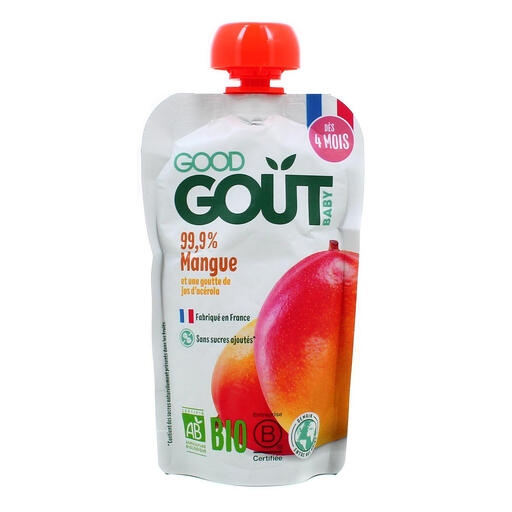
Why we chose it: Specially designed for babies from 4 months, this pouch features an ultra-simple recipe and is certified organic. Its format is perfect for on-the-go snacks and helps with portion control.
The ingredients are crystal clear: 99.9% organic mango purée and a touch of acerola juice. It skips the added sugars, flavourings, and additives that are all too common in drinks for adults.
An almost pure fruit purée, certified organic, perfect for introducing little ones to the true taste of mango.
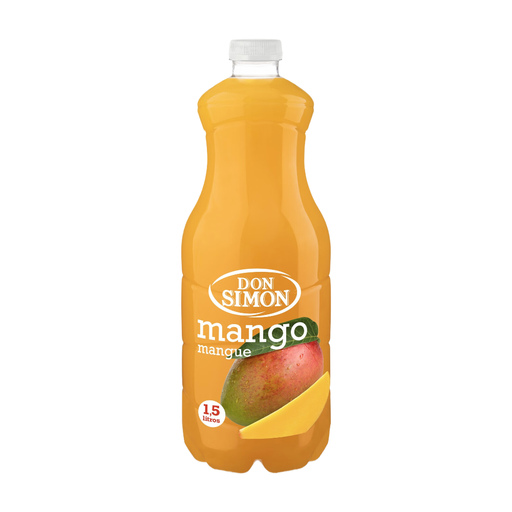
Why we chose it: Its large 1.5L format is both economical and practical for family meals, picnics, or simply for always having a cold drink on hand.
The label is upfront: it's a "nectar", with a 35% mango purée content. This transparency avoids any confusion with a pure juice and lets you know exactly what you're buying.
An excellent balance between a distinct mango flavour and an accessible price for a large volume. It's a smart choice for regular family consumption.
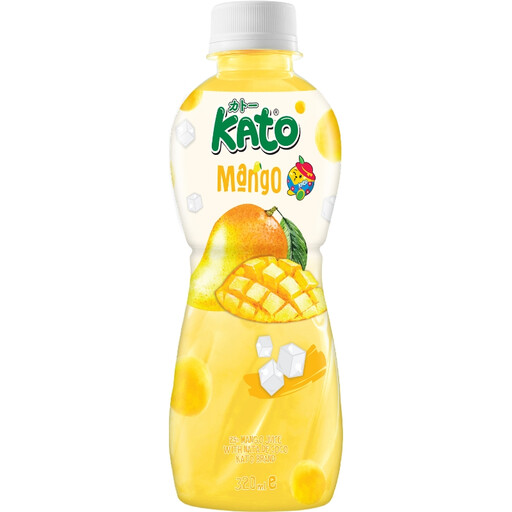
Why we chose it: Perfect for those looking for more than just a drink. The addition of nata de coco pieces (coconut jelly) provides a fun texture, making it a drink and dessert all in one.
This product doesn't pretend to be something it's not. It plays on its originality with nata de coco and clearly states its 25% mango juice content, positioning itself as a textured, indulgent drink.
A two-in-one beverage that combines the flavour of mango with a chewy texture for a break that's as surprising as it is delicious.
Explore our full selection of products that meet our quality criteria and current regulations.
A pure mango juice is made from 100% fruit, with no added water or sugar. A mango nectar, on the other hand, is a blend of mango purée (at least 25%), water, and, most often, sugar. Nectar is therefore thinner and generally less intense in flavour than pure juice.
Once opened, any mango drink (juice, nectar, or other) must be stored in the refrigerator. To preserve its freshness and taste, it is advisable to consume it within 3 to 5 days. Always refer to the specific instructions on the packaging.
Yes, and pure juices are the best example. For nectars and other drinks, you need to scrutinise the ingredients list. The "no added sugar" claim guarantees that the manufacturer has not added extra sugar or syrups. Be aware, however, that this does not prevent the drink from containing the sugars naturally present in the mango.