
Livraison le jour même ou le lendemain

Qualité garantie

Débloquez vos offres de bienvenue: Livraison GRATUITE | Jusqu'à -80 % | 30 jours d'essai gratuits à JoyPlus
Téléchargez l'application
Finding the perfect mango drink can be a real challenge. Between the exotic packaging and marketing promises, it's hard to know what you're getting. A vibrant colour doesn't guarantee an authentic taste experience. As a product expert at Joybuy, I'm here to guide you. Let's decode the labels together to ensure your next purchase is a guaranteed success.
The fruit drink aisle is a jungle, and not all bottles are created equal. Here are the most common traps that lead to disappointment:
To avoid falling for marketing traps, here are three essential things to check on the label.
This is THE deciding factor. European regulations are clear:
The golden rule: always check the percentage of mango puree or mango juice from concentrate in the ingredients list. The higher the number, the more authentic the taste.
A short ingredients list is often a good sign. Pay close attention to the following:
The packaging also plays a role, depending on your habits:
Finally, don't be afraid to explore beyond the usual by trying more original styles, like an Asian-style mango drink, which sometimes includes nata de coco pieces for a surprising texture.
To help you choose, here are a few products that stand out from the crowd, each catering to a specific need.
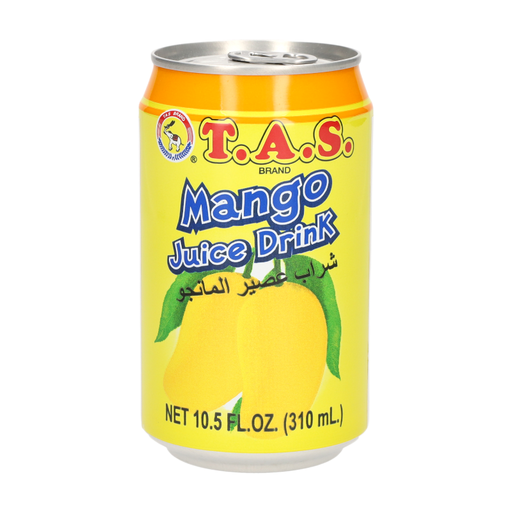
The ideal choice for those seeking an intense, no-frills mango taste. Its simple recipe puts the fruit front and centre for a rich and satisfying experience.
With its 30% mango puree, it outperforms most "drinks" in the aisle. Here, the taste truly comes from the fruit, not from added flavourings.
Its high fruit content, intense and natural taste.
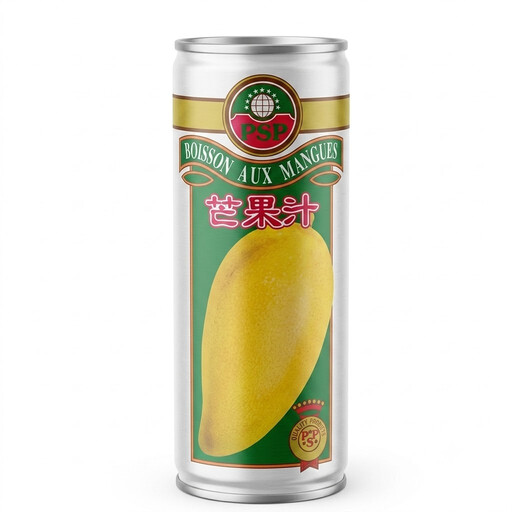
Perfect for a simple and effective refreshing break. Its small 250 ml format slips into any bag to quench a small thirst.
Its single-serving format prevents waste and bulk. It's the practical, no-fuss solution for an instant mango craving.
Ultra-convenient format, simple and straightforward recipe.
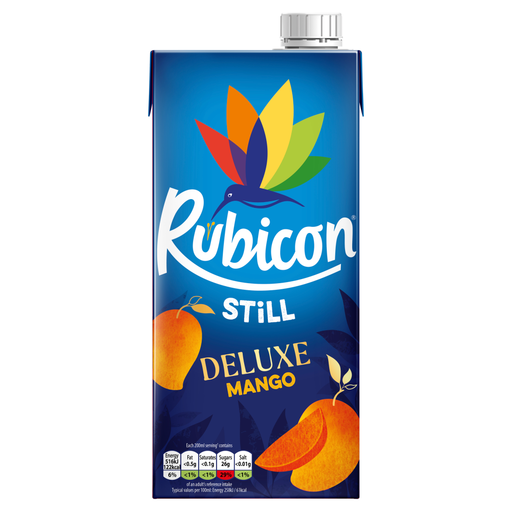
The 1L format is perfect for family meals, afternoon snacks, or for always having a supply of sunshine at home. A budget-friendly and sociable option.
This large format offers excellent value for money, making it a smart choice for keeping the grocery budget in check without sacrificing enjoyment.
1L family size, respectable mango puree content (19%), and enriched with vitamin C.
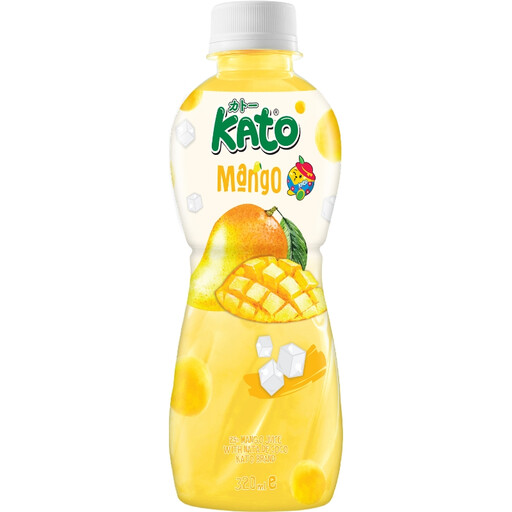
For those who enjoy playful drinks. The addition of nata de coco (small cubes of coconut gel) provides a chewy texture that turns the drink into a unique snack.
This drink stands out completely from classic juices. It doesn't try to imitate a simple juice but offers a distinct and deliberate sensory experience.
The unique tasting experience, the texture of the nata de coco pieces, the 25% juice content.
Discover our full selection of mango drinks that meet our standards for quality and taste.
It's all about the fruit content. A pure juice is 100% from the fruit. A mango nectar is a mix of mango puree (25% minimum), water, and sugar. A mango drink has a highly variable fruit content, often lower than a nectar, and may contain added flavourings.
Once opened, a mango drink, whether in a carton or bottle, should be kept in the refrigerator. It's best to consume it within 3 to 4 days to preserve its freshness and flavour.
Not exactly. This label means that no sugar was added during manufacturing (like sucrose or glucose syrup...). However, the drink still contains the sugars naturally present in the mango. Some versions may also contain sweeteners for a sweet taste without calories. The rule of thumb: check the nutritional information panel to find out the total amount of sugar.