
Livraison le jour même ou le lendemain

Qualité garantie

Débloquez vos offres de bienvenue: Livraison GRATUITE | Jusqu'à -80 % | 30 jours d'essai gratuits à JoyPlus
Téléchargez l'application
Choosing a lip balm? It seems like a simple gesture. And yet, who hasn't been disappointed by a stick that promised the world, only to end up with lips that are even drier than before? Faced with shelves overflowing with marketing promises, it's hard to know where to turn. As the Head of Product Recommendations at Joybuy, my mission is to help you decode the labels. Together, let's cut through the marketing jargon and focus on the essentials to find THE one that's right for you.
Before you head to the checkout, let's review the two most common traps that turn a purchase into a regret:
To avoid falling for these tricks, you just need to keep a few key points in mind. A good hydrating lip balm relies on a clever balance of different types of ingredients and meets specific needs.
Understanding the role of each ingredient family is the key to finding a product that delivers on its promises. A high-performance treatment generally combines these three types of agents:
The skin on the lips is particularly vulnerable to sun damage, which accelerates ageing and dryness. An SPF lip balm isn't just for beach holidays: it's essential all year round. Opt for broad-spectrum protection (UVA/UVB) with at least SPF 15 for daily use, and SPF 30 or 50 for more intense exposure.
The ideal format depends on your preferences, but also on your lifestyle:
Today, many balms play a dual role by combining care and makeup. A tinted lip balm offers a subtle touch of colour, while vegan or organic formulas will appeal to those with stricter composition requirements.
To guide you, here are a few gems that tick all the boxes we've just discussed.
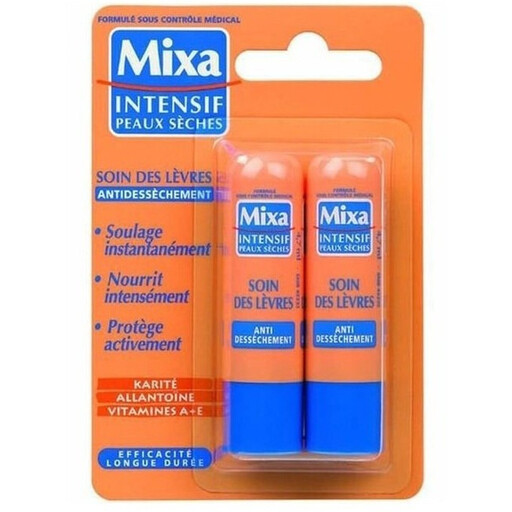
The profile: For those battling very dry, chapped, or damaged lips who are looking for an ultra-effective SOS solution, formulated under medical supervision.
Far from masking the problem, it treats it at the source. Its formula combines shea butter (an occlusive and emollient) with allantoin, an active ingredient known for its repairing and soothing properties. It tackles the cause of dryness without creating dependency.
A concentrated formula for immediate relief and lasting repair for even the most damaged lips. Its effectiveness is clinically proven, according to the brand.
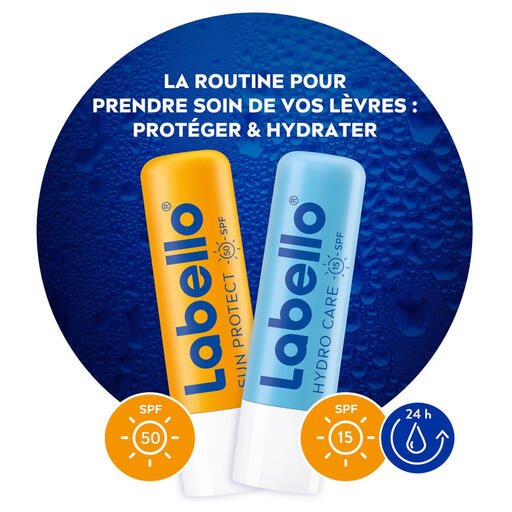
The profile: Essential for those who are serious about sun protection, whether at the beach, on the slopes, or simply for reliable daily UV protection.
This duo doesn't just offer a token SPF. It provides very high SPF 50 protection against UVA/UVB for intense exposure, and an SPF 15 for daily use, all while ensuring hydration thanks to shea butter.
A smart and versatile 2-in-1 pack that covers all sun protection and hydration needs, with a stick suited for every situation.
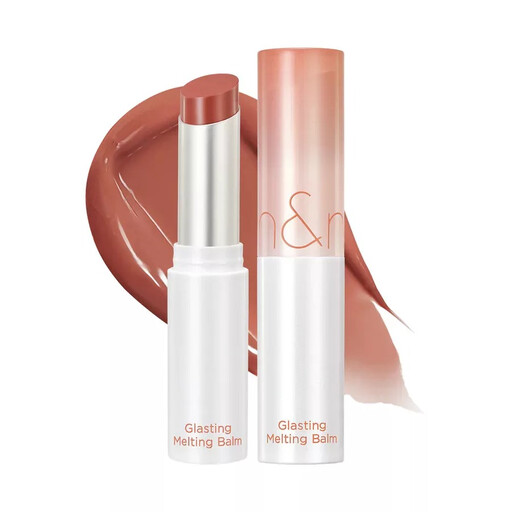
The profile: For beauty addicts who want an all-in-one product: the hydration of a balm, the subtle colour and shine of a gloss, all in an ultra-trendy vegan formula.
Unlike many tinted balms that prioritise colour over care, this one is based on nourishing vegetable oils (argan, rosehip, evening primrose). The colour and shine enhance a genuine treatment action.
Its ultra-desirable "glossy" finish, without being sticky or uncomfortable. It's a true skincare product in its own right, with a plant-based formula.
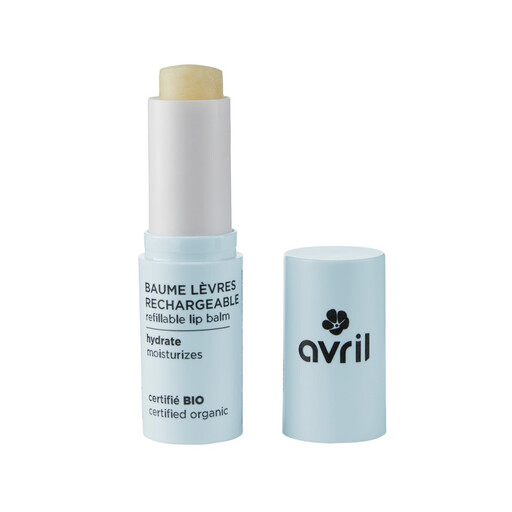
The profile: For consumers mindful of their impact, who are looking for an organic, vegan product made in France that offers a concrete solution to reduce waste.
This balm doesn't just have a "natural" veneer. It is certified Cosmos Organic by Ecocert, which guarantees a 100% natural origin composition. Its refillable format tackles the scourge of single-use plastic head-on.
Its refill system saves 64% of plastic compared to buying a new stick. A significant saving, without sacrificing the quality of a nourishing formula based on organic shea butter and castor oil.
We have curated a complete selection of products that meet our quality criteria and current safety standards.
In everyday language, the two terms are often confused or used interchangeably. However, there is a nuance: lip stick refers to the container (the push-up tube), while balm refers to the content (the creamy care formula). A balm can therefore come in a stick, but also in a pot or a tube.
Yes, it's actually an excellent habit to get into. Using a balm, especially one with SPF, acts as a preventive measure. It protects the very thin skin of the lips against external aggressors (sun, wind, cold, pollution) and maintains an optimal level of hydration. It's the best way to prevent dryness and chapping.
It's a persistent myth that hides a kernel of truth: the use of poorly formulated balms. A product containing irritating ingredients (like camphor or menthol) can provide instant relief but dries out the lips in the long run. The result: you enter a vicious cycle where you have to apply it constantly. Conversely, a well-designed restorative lip balm, rich in occlusive and emollient agents, nourishes and protects durably, without ever creating this infamous cycle of dependency. Choosing a quality formula is therefore absolutely essential.