
Livraison le jour même ou le lendemain

Qualité garantie

Débloquez vos offres de bienvenue: Livraison GRATUITE | Jusqu'à -80 % | 30 jours d'essai gratuits à JoyPlus
Téléchargez l'application
Is buying a lip balm a trivial purchase? Not so fast. Who hasn't been frustrated by a product that fails to deliver on its promises? Persistently dry lips, a sticky texture, or a disappointing colour—letdowns are common. The problem? A market saturated with formulas that prioritise marketing over effectiveness.
As the Head of Product Curation at Joybuy, my mission is to cut through the noise for you. Before you make a purchase, watch out for these three classic traps:
However, choosing the right product shouldn't be a headache. You just need to know what to look for.
To make the right choice, focus on two key pillars: the ingredient list and your intended use.
A truly effective hydrating lip stick formula relies on a well-balanced trio of ingredients:
Because everyone's lips are different, your choice should be tailored to your daily routine and jejich current needs.
To put theory into practice, here is our selection of products that check all the right boxes, each designed for a specific need.
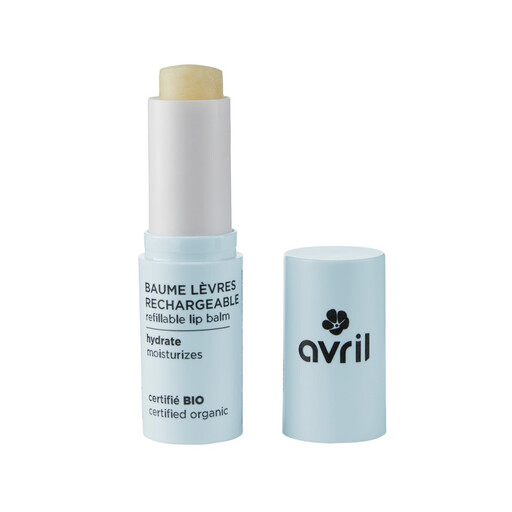
Why we love it: Perfect for anyone seeking a certified organic formula and an eco-conscious choice. Its refillable design is a real bonus for reducing plastic waste.
It sidesteps the "natural but irritating" pitfall with a 100% natural-origin formula and a subtle scent, relying on tried-and-true ingredients like organic shea butter and castor oil.
Formula certified Cosmos Organic by Ecocert and a refillable format that saves 64% on plastic.
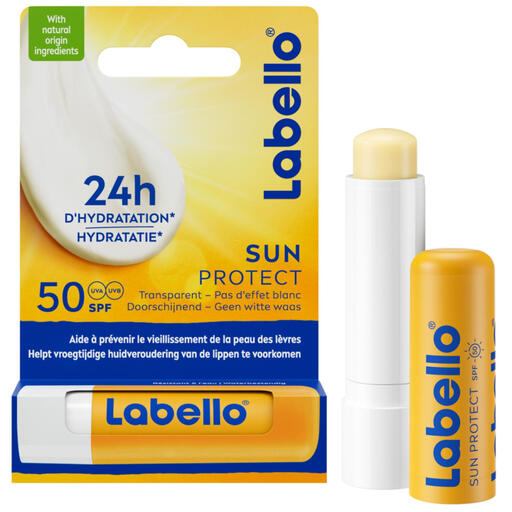
Why we love it: A must-have for anyone exposed to the sun, whether in the city or on holiday. Protecting your lips from UVA/UVB rays is an essential habit, yet it's so often forgotten.
It does more than just hydrate: its primary mission is to protect from the sun, a specific need that classic balms ignore. It combines care (shea butter) with very high protection.
Very high SPF 50 protection against UVA/UVB rays. Its water-resistant formula is perfect for outdoor activities.
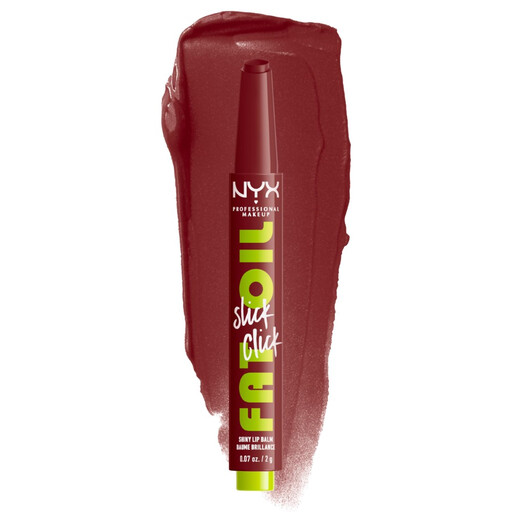
Why we love it: The perfect partner for those who want a 2-in-1 product: intense hydration and vibrant, buildable colour, all without the sometimes-drying effect of a classic lipstick.
It avoids the "tinted balm that dries you out" trap with its formula packed with plant-based oils (raspberry, cloudberry, avocado). The promise: up to 12 hours of hydration (according to the brand), with no sticky feeling.
It combines intense colour with long-lasting hydration. Its melty, non-sticky texture is its real standout feature.
We have curated a complete range of products that meet our selection criteria and comply with current regulations.
How often should you apply lip balm? There's no golden rule. You are the best indicator: apply it whenever you feel the need. Applying it once in the morning and once at bedtime is an excellent routine. For a chapped lip treatment, don't hesitate to reapply more often, especially after drinking or eating, or when exposed to cold and wind.
Can a lip balm make lips drier? This is the infamous "rebound effect," and it's a legitimate concern. Yes, a poor-quality balm can create a vicious cycle. If it only contains occlusive agents (without any hydrating actives) or irritating ingredients (fragrances, alcohol, etc.), it prevents the skin from self-regulating. The result: as soon as you stop applying it, your lips feel even drier. This is why choosing a well-balanced formula is so important.
What's the difference between a balm and a lip stick? In everyday language, the two terms are often used interchangeably. Historically, the hydrating lip stick refers to the solid tube format, which is convenient for carrying around. The term lip balm is more generic and can come in a pot, a squeeze tube, and more. Ultimately, the packaging matters less than the performance: what counts is the formula and whether it meets your needs.