
Livraison le jour même ou le lendemain

Qualité garantie

Débloquez vos offres de bienvenue: Livraison GRATUITE | Jusqu'à -80 % | 30 jours d'essai gratuits à JoyPlus
Téléchargez l'application
By the Joybuy Product Experts
Overwhelmed by the Asian sauce aisle? Choosing the right bottle of soy sauce can quickly become a headache. Light, dark, salty, sweet… each version has a distinct role in the kitchen. Light soy sauce (生抽, shēng chōu), sometimes called salty soy sauce, is a staple of Chinese and Asian gastronomy. Its mission: not to colour dishes, but to bring that signature umami flavour and just the right amount of salt to enhance the ingredients.
Whether you're a wok master seeking authentic flavour or simply a curious home cook, this guide will shed some light. We'll give you the keys to making the right choice and our top picks for buying the perfect soy sauce for your recipes, from a quick soy marinade to a vegetable stir-fry.
To make the right choice, you need to read between the lines on the label. Here are three essential criteria for finding that hidden gem that will transform your dishes.
A soy sauce's flavour depends above all on how it's made. A premium soy sauce is always born from natural fermentation, a slow process that can take several months. The basic ingredients are deceptively simple: water, soybeans, wheat, and salt. That's it.
A short ingredient list? That's an excellent sign. For an additive-free soy sauce, steer clear of lengthy formulas and opt for products without flavour enhancers (like MSG), preservatives, or artificial colours.
Light soy sauce is a true Swiss Army knife in the kitchen. Its primary function is to add salt and flavour.
Light soy sauce inherently means salt. But be aware, the sodium content can vary dramatically from one brand to another. If you're watching your diet or health, know that many brands offer a low-sodium soy sauce. The best practice: compare the nutritional labels (per 100ml) before making your choice.
To help you see more clearly, here are our three current favourite light soy sauces, each with its own personality.
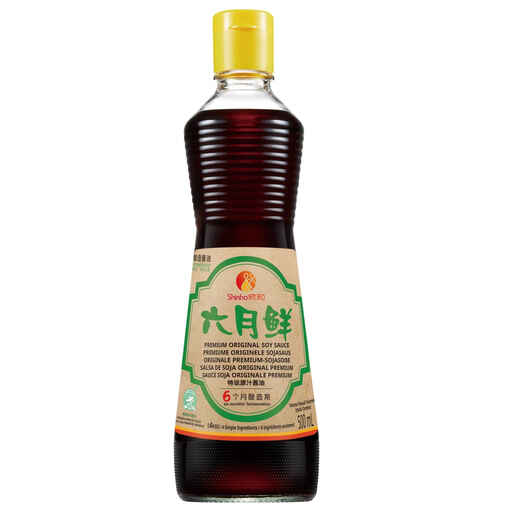
Why we love it: This soy sauce is all about absolute purity. Masterfully fermented for six months, its recipe is stripped down to just four ingredients. Zero additives, zero added sugar, zero preservatives.
Key Strengths:
Who is it for?: The ideal choice for purists and anyone on the lookout for additives. If you're searching for an additive-free soy sauce with a clean, authentic taste, look no further.
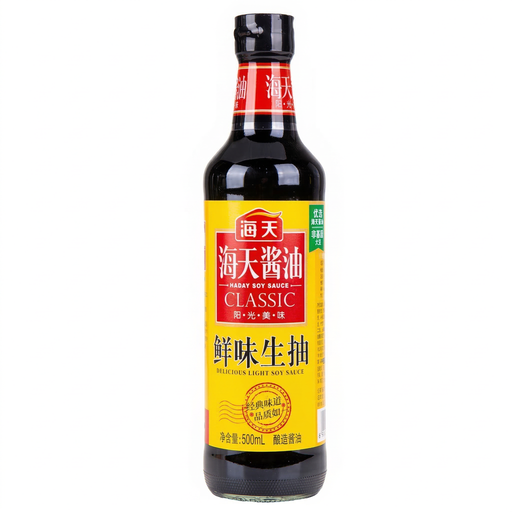
Why we love it: Haday is a giant in China, and this sauce is a pillar of home cooking. It's the reliable choice that offers a perfect balance of flavour, versatility, and price.
Key Strengths:
Who is it for?: Perfect for everyday use. It's the reliable and budget-friendly Chinese soy sauce to always have in your pantry for improvising a multitude of recipes.
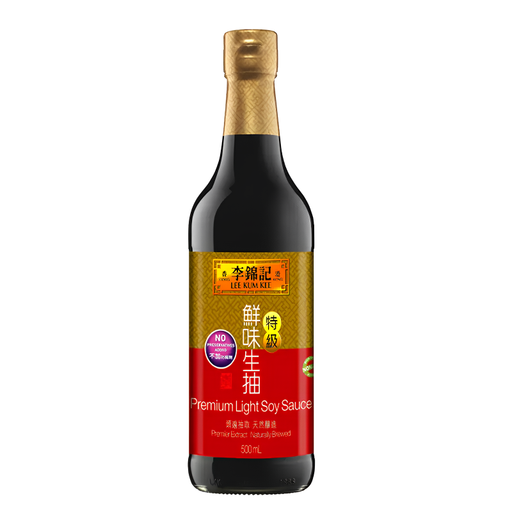
Why we love it: With over a century of history, Lee Kum Kee is a true Hong Kong institution. This premium sauce is the product of ancestral know-how, with a rich flavour and a distinct soy aroma.
Key Strengths:
Who is it for?: For enthusiasts who swear by heritage brands and are looking for a deep, assertive soy flavour to elevate marinades, sauces, and braised dishes.
Light soy sauce is just the gateway to a fascinating world of flavours. The world of Asian condiments is vast and full of hidden gems to discover. To go further and find the sauce that will define your next dishes, explore our complete selection.
Discover All Our Premium Table Sauces
Light soy sauce (生抽, shēng chōu) is thinner, paler, and above all, saltier. Its purpose is to season. In contrast, dark soy sauce (老抽, lǎo chōu) is thicker, darker (thanks to the addition of molasses or caramel), and less salty. It's primarily used to give a beautiful amber colour to dishes, especially braised meats.
Once the bottle is opened, it belongs in the refrigerator! The cold will best preserve its flavour and freshness. Tightly sealed, it will keep for several months without any issues.
Yes, but sparingly. Japanese soy sauce (shōyu), traditionally served with sushi, is often a bit sweeter and less aggressive in its saltiness than its Chinese cousin. However, a good light soy sauce will do the job perfectly, as long as you use it lightly so as not to overpower the delicate flavour of the fish.