
Same-day & Next-day Delivery

Quality Guaranteed

Unlock Your Welcome Offers: FREE Delivery | Up to 80% OFF | Free 30-day JoyPlus trial
Download the APP
The soft drink aisle can feel like a maze. Faced with dozens of options, choosing the perfect lemon drink—one that's both refreshing and flavourful—can quickly become a challenge. Between promising labels and the actual taste, it's easy to make a mistake. To ensure a purchase you won't regret, here are the most common pitfalls to avoid.
A few key pointers are all you need to navigate the jungle of lemon drinks. These indicators will help you decode labels and find the product that truly meets your expectations.
The first step: check the nutritional information, specifically the "Carbohydrates, of which sugars" line. Expressed per 100 ml, this value tells you exactly how much sugar you're about to consume.
The quality and intensity of the lemon flavour depend directly on the ingredient used. To find out, the list of ingredients, ranked in descending order of quantity, is your best friend.
Every refreshing drink has its own character and occasion.
To guide you, our editorial team has unearthed some real gems that tick all the right boxes, catering to different profiles and preferences.
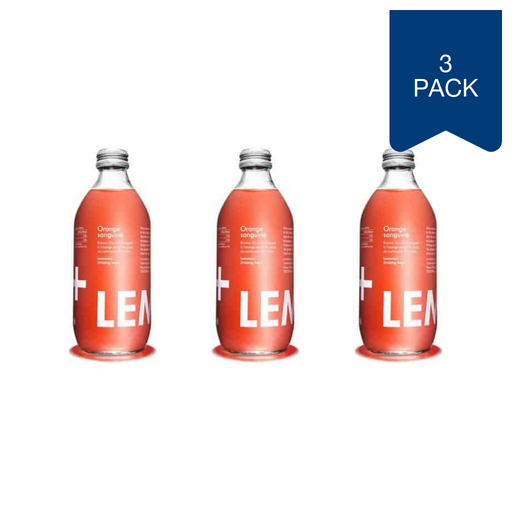
Why we chose it: Perfect for those who want a drink with ingredients that are not only organic but also fair trade. The taste is authentic, with no artificial flavourings, for a break that's as refreshing as it is responsible.
The brand is transparent: the drink is made from real organic fruit juices (blood orange, lemon) and organic cane sugar, with no synthetic flavourings. This avoids the "fake natural" trap.
The dual Organic and Fairtrade certification is a real bonus, guaranteeing quality ingredients and an ethical approach. Its sugar content (6.8 g/100 ml) is quite reasonable for a treat.
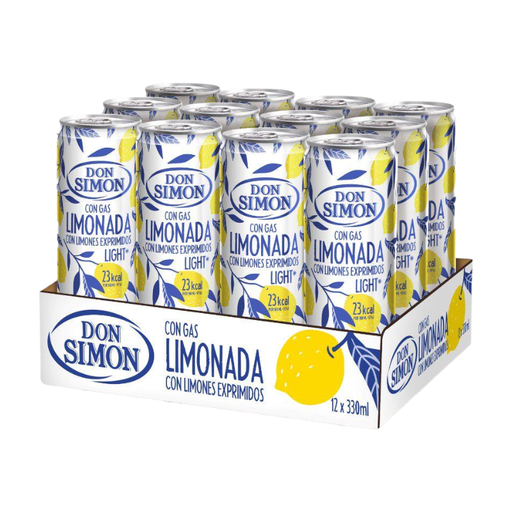
Why we chose it: This 12-can pack format is as convenient as it is economical for daily consumption, family meals, or simply stocking up. A classic, effective, and accessible lemonade.
The brand is upfront, stating it contains 15% lemon juice. This transparency ensures a real fruit taste and avoids the trap of a misleading label.
Its value for money is its best selling point. The drink is also enriched with vitamin C, and its sugar content (5.6 g/100 ml) is quite moderate for a lemonade.
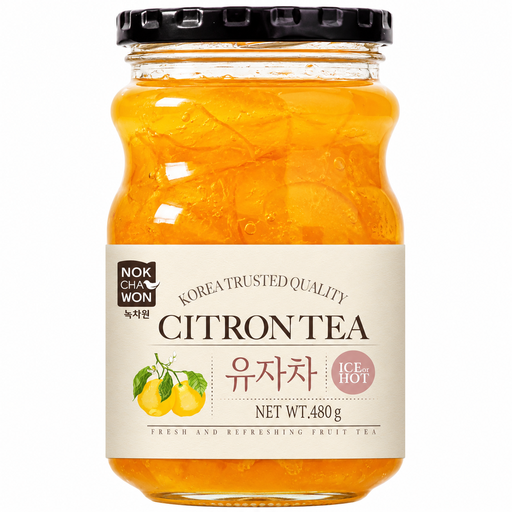
Why we chose it: Note that this isn't a ready-to-drink beverage, but a delicious concentrate of candied yuzu. It's the perfect product for those who love to play mixologist, create their own drinks (hot or cold), and discover new flavours, like the famous Korean yuzu tea.
It avoids the category confusion trap by giving you full control. You decide the dosage, and therefore the taste and sugar level of your drink. With candied yuzu (50%) as the first ingredient, authenticity is guaranteed.
Its versatility is its greatest strength. It can be used for a comforting hot tea, an extraordinary iced lemonade, or even in cooking for pastries and marinades.
We have curated a complete selection of products that meet our quality standards and the expectations of discerning consumers.
1. How should I store a lemon drink after opening the bottle? Once opened, a still or sparkling lemon drink should be stored in the refrigerator with the cap tightly closed. For carbonated drinks, this is the best way to preserve the bubbles. It's best to consume it within 3 to 4 days to enjoy its full freshness.
2. Can I use pure lemon juice to make my own drinks? Of course! Bottled pure lemon juices are a perfect base for creating homemade drinks. Mix it with still or sparkling water, add sugar or another sweetener to your liking, and maybe a few fresh mint leaves for a 100% custom beverage.
3. What is the main difference between a lemonade and a lemon soda? Although they both feature lemon, the difference often lies in the intensity and composition. Lemonade generally focuses on a balance between juice, water, and sugar, often with finer bubbles. Lemon soda, on the other hand, is often sweeter, with livelier bubbles and a more "punchy" taste, sometimes achieved with flavourings for a zesty kick.