
Livraison le jour même ou le lendemain

Qualité garantie

Débloquez vos offres de bienvenue: Livraison GRATUITE | Jusqu'à -80 % | 30 jours d'essai gratuits à JoyPlus
Téléchargez l'application
Film photography is making a huge comeback! And with this spectacular return, one question arises: which film should you choose? Faced with a jungle of options, finding the perfect Kodak 35mm film for your project can quickly become a challenge. Whether you're a curious newcomer discovering the magic of 35mm analog film or an expert searching for a specific look, each roll has its own soul, its own visual signature.
This guide is here to cut through the noise. Our mission: to give you clear, objective insights into the most essential Kodak films, far from the often-opaque marketing jargon. Together, we'll scrutinize the specifics of iconic films like Kodak Gold 200, Ultramax 400, and Ektar 100.
Before diving into our selection, here are a few key criteria to guide your decision.
ISO speed is the film's ability to capture light. A low ISO (like 100) is perfect for sun-drenched days or studio sessions where the light is controlled. The result: incredibly fine grain and impeccable sharpness. A higher ISO (like 400) is much more versatile, comfortable in difficult or changing light conditions, whether indoors or on an overcast day. This is the starting point for choosing a colour photo film.
Each Kodak film has its own personality, expressed through its colour palette and grain texture.
The classic dilemma: a 24-exposure roll or a 36-exposure roll?? It all depends on how you shoot. A 24-exposure roll is ideal for short projects, testing a new camera, or if you're the type who wants to get your photos developed right away. The 36-exposure version, more cost-effective per shot, is perfect for travel or events where you plan to shoot a lot.
Here are three must-have films from the Kodak range, each catering to very specific needs.
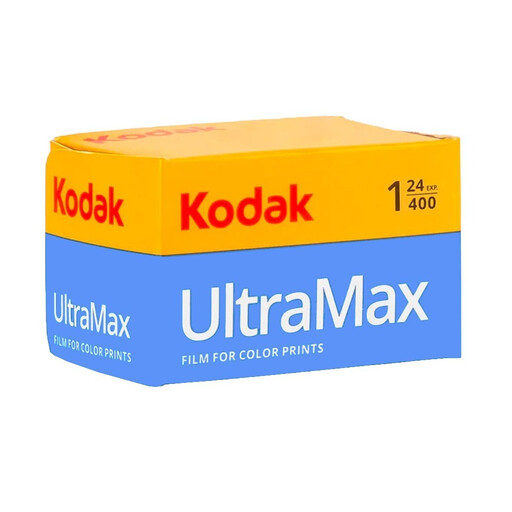
Why we love it?:Kodak Ultramax 400 is the quintessential all-rounder film. Its 400 ISO speed allows it to adapt to a multitude of lighting conditions, from bright sun to dim interiors, without necessarily needing a flash. It's the worry-free choice, so you don't have to juggle different film stocks during the day.
Key features?:
Who is it for?? This film is particularly recommended for beginners in film photography, travellers, and anyone looking for a reliable film to capture daily life (candid portraits, street scenes, family memories).
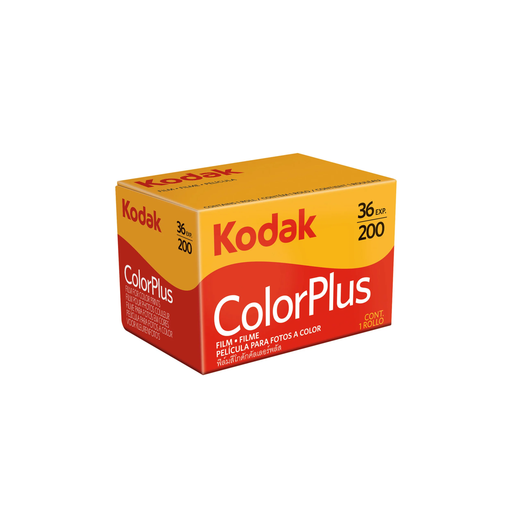
Why we love it?:Kodak Gold 200 is a legend for its unique visual signature, which bathes photos in a golden light and a soft nostalgia. Its 200 ISO speed makes it ideal for outdoor shooting in good weather, where it enhances skin tones for flattering portraits.
Key features?:
Who is it for?? Ideal for portrait photographers, lovers of the golden hour aesthetic, and for holiday photos or outdoor gatherings bathed in light.
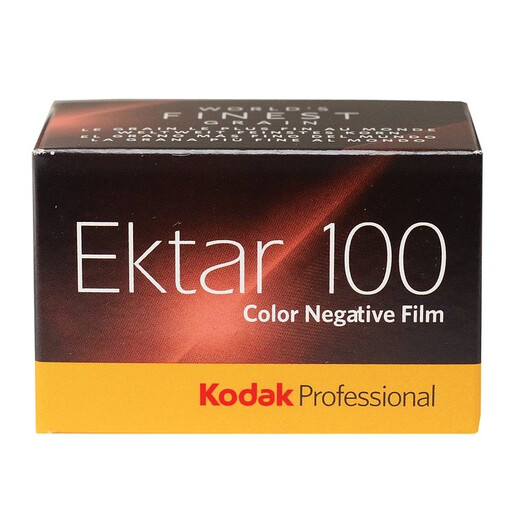
Why we love it?:Kodak Ektar 100 is renowned for having the world's finest grain in its class. It's designed to deliver exceptional colour saturation with a sharpness and level of detail worthy of digital. Its low 100 ISO speed makes it best suited for optimal light conditions.
Key features?:
Who is it for?? This film is for demanding photographers (landscape, architecture, travel) who hunt for every last detail and want vibrant colours. It's also the top choice for high-resolution scanning.
The Kodak range is full of treasures, and other films might perfectly fit your creative vision. To explore other options, other brands, or other speeds, feel free to browse our complete catalogue.
Explore our complete collection of photographic films
To put it simply, it's a matter of speed and mood. Kodak Gold 200 (200 ISO) is less sensitive and offers warm, very vintage colours, perfect for good weather. Ultramax 400 (400 ISO), being more sensitive, is the ideal all-purpose film for changing conditions or lower light. Its colours are vivid but more neutral and true to life than Gold's.
To preserve all its qualities, film should be kept cool, dry, and away from light. For long-term storage, the vegetable crisper in your refrigerator (never the freezer!) is your best friend. Just remember to take it out a few hours before use to let it return to room temperature and avoid any risk of condensation.
Absolutely, but it's a bit of a lottery! Using an expired 35mm analog film can produce surprising and often unpredictable results: colour shifts, more pronounced grain, loss of contrast, reduced sensitivity... Some photographers love this random effect for a unique creative look (Lomography style). However, we wouldn't recommend it for capturing your best friend's wedding.