
Livraison le jour même ou le lendemain

Qualité garantie

Débloquez vos offres de bienvenue: Livraison GRATUITE | Jusqu'à -80 % | 30 jours d'essai gratuits à JoyPlus
Téléchargez l'application
Choosing the right food for your four-legged companion can quickly become a headache. Faced with virtual shelves full of promises, it's easy to feel lost. As a Product Expert at Joybuy, my role is to help you see things more clearly by decoding labels so you can make a truly informed choice for your cat or dog.
Nutrition is a pillar of their health, but be warned: a high price or flashy packaging are never guarantees of quality. Let's focus on what really matters.
Before you check out, keep an eye out for these three common traps:
To ensure you don't go wrong, just focus on a few objective points. Here's what to look for on every bag of kibble for cats and dogs.
The golden rule is simple: the first ingredient on the list is the one present in the largest quantity. For our carnivorous companions, a quality animal protein source must be at the top.
This table, often on the back of the bag, gives you key information about the product's nutritional balance.
Nutritional needs change with age and lifestyle. A kitten food or puppy kibble will logically be richer in energy, protein, and calcium to support growth. Similarly, a senior, sterilised, or sensitive pet (justifying a hypoallergenic food, for example) will require a tailored formula.
To put theory into practice, here are a few products that meet different needs, all vetted against our criteria.
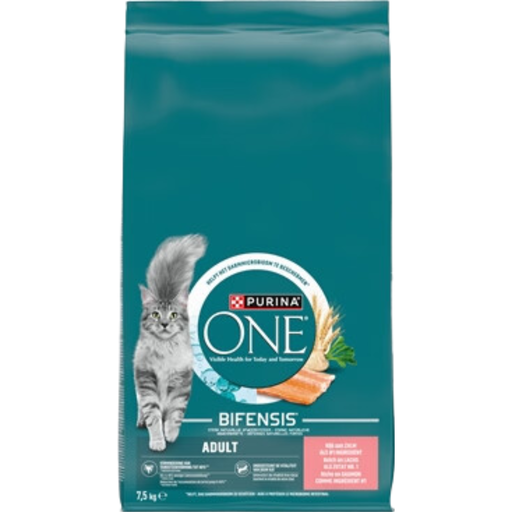
Why we chose it: A reliable and budget-friendly option for the daily diet of an adult cat with no specific health issues. The large 7.5 kg format is convenient and helps you manage your budget.
The ingredient list is transparent: salmon (17%) is the first ingredient, avoiding the ambiguity of generic formulas.
Contains Omega-6 fatty acids and zinc for a shiny coat, plus a formula that, according to Purina, helps reduce tartar buildup.
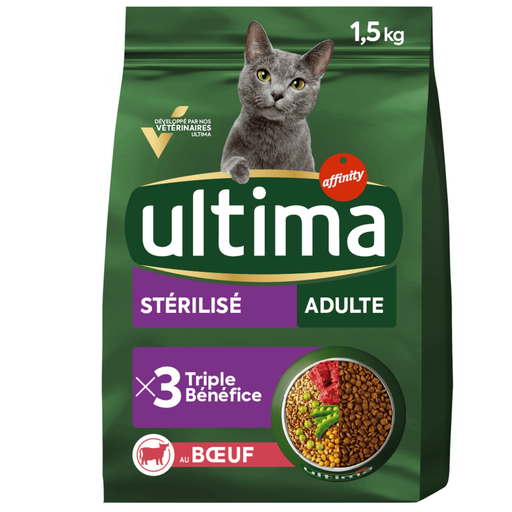
Why we chose it: A formula specifically designed for the needs of sterilised cats, which are prone to weight gain and more susceptible to urinary issues.
There are no superfluous marketing claims here. The product focuses on clear benefits: a moderate fat content (12%) and support for urinary health.
The recipe is designed for weight management and contains a balance of minerals that contributes to a healthy urinary system.
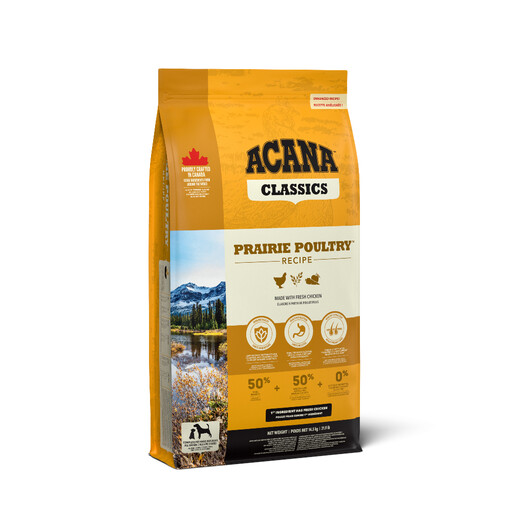
Why we chose it: For owners seeking a premium food rich in quality animal proteins. This recipe includes 50% animal ingredients, including fresh chicken and turkey.
Acana plays the transparency card regarding the origin of its ingredients, with "WholePrey" ratios (meat, organs, cartilage) that mimic a natural prey diet and eliminate unidentified "by-products."
A protein-rich recipe (27%) supplemented with vegetables, fruits, and botanicals for a natural supply of nutrients, without high-glycemic grains.
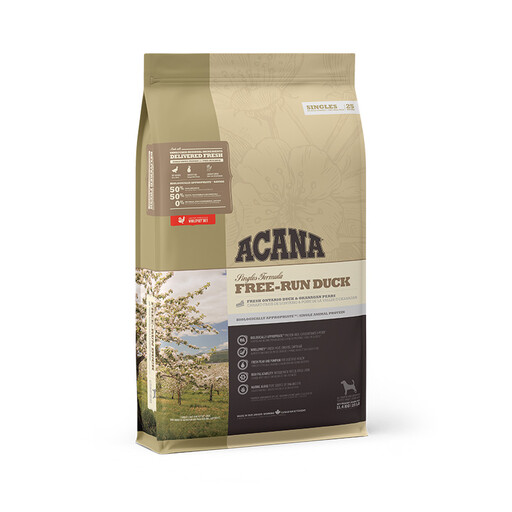
Why we chose it: The perfect solution for dogs with food sensitivities or intolerances. Using a single protein source (duck) simplifies the process of identifying and eliminating allergens.
This recipe bypasses the pitfall of mixed proteins. The "single protein" label is clear and justified here, offering a simple and safe option for elimination diets.
A formula free of grain, soy, corn, or wheat, with 50% duck. Pumpkin and pear fibres promote healthy digestion.
We have curated a complete selection of products that meet these quality criteria and cater to all needs.
The ideal amount depends on several factors: your pet's weight, age, activity level, and metabolism, as well as the caloric density of the kibble. Always use the recommendations on the packaging as a starting point. Then, adjust the portions to maintain a healthy weight: you should be able to feel their ribs but not see them.
A sudden change in diet can cause digestive upset. For a smooth transition, do it over 7 to 10 days by gradually mixing the new kibble with the old. Start with a ratio of 25% new kibble to 75% old, then slowly increase the proportion of the new food until the substitution is complete.
Grain-free kibble can be an excellent option for pets that are sensitive or allergic to grains. However, the absence of grains is not an absolute measure of quality. The key is to ensure that the substitute carbohydrates (often peas or potatoes) are well-tolerated by your pet and that the overall recipe remains balanced, always with a quality animal protein at the top of the list.