
Livraison le jour même ou le lendemain

Qualité garantie

Débloquez vos offres de bienvenue: Livraison GRATUITE | Jusqu'à -80 % | 30 jours d'essai gratuits à JoyPlus
Téléchargez l'application
A dead battery?: every driver's nightmare. On a freezing winter morning, in a supermarket car park... getting stranded behind the wheel is a universal fear. Rather than depending on a tow truck or the kindness of another driver, a jump starter offers you an immediate, independent solution.
Our mission?? To help you make sense of the huge range of available models. This guide gets straight to the point, focusing on the criteria that truly matter for making the right choice, cutting through the marketing jargon.
Before diving into our selection, let's review the key technical features that make all the difference.
A jump starter's power is measured in peak amps (A). This is the maximum current the device can deliver to start the engine. The right choice depends directly on the size and type of your vehicle's engine?:
Nearly all passenger cars run on a 12V system, which is the standard for all the jump starters in our selection.
Most modern jump starters use a lithium battery. This technology has replaced old lead-acid batteries thanks to its key advantages?: they are much more compact, lighter, and hold their charge for months.
When it comes to safety, there's no room for compromise. Prioritise models equipped with multiple protection features?:
A modern jump starter is often a true Swiss Army knife. Many models include features that quickly become essential, both for daily use and in a battery emergency?:
Here are the models that caught our eye, selected for their reliability, performance, and versatility.
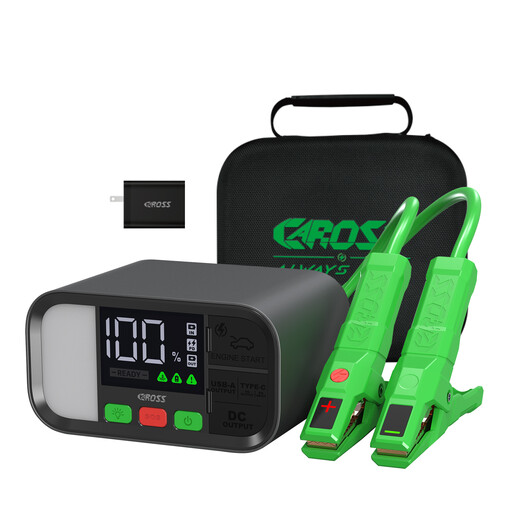
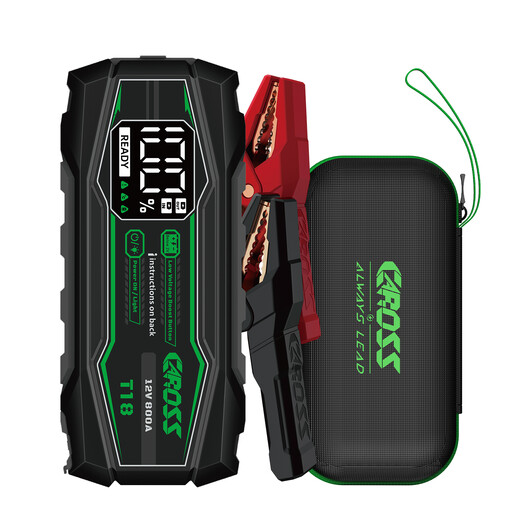
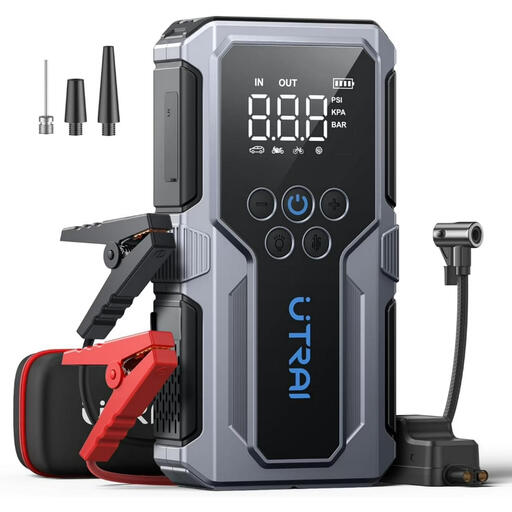
Onboard electronics are constantly evolving to improve our safety and comfort. Beyond jump starters, modern car accessories increasingly rely on clear and intuitive interfaces. If you're curious to discover other devices featuring an electronic screen display, explore our selection of diagnostic tools and innovative accessories.
Discover our Electronic Screen Display category
The easiest way is to check your vehicle's manual. Otherwise, here's a simple rule of thumb?: for gasoline cars (city cars, sedans), 400-800?A is sufficient. For large gasoline engines (V6/V8) and diesel engines, aim for 1000?A or more. Don't worry if you choose a model that's more powerful than you need?: there is no risk to your vehicle, as the jump starter will only deliver the required current.
Absolutely. Most lithium models are designed to be kept in your car. However, avoid leaving it in direct sunlight during summer or exposed to freezing temperatures in winter, as extreme temperatures can reduce the battery's lifespan. Ideally, keep it in its case in the glove compartment or the trunk. Just remember to check its charge level and recharge it every 3 to 6 months to ensure it's always ready to go.
Be careful not to confuse them! A car battery charger plugs into a wall outlet and slowly recharges your battery over several hours. It's a maintenance tool. In contrast, a jump starter is your first-aid kit?: it's portable and delivers an intense burst of current to start the engine instantly. It's a recovery solution, not a recharging one.