
Livraison le jour même ou le lendemain

Qualité garantie

Débloquez vos offres de bienvenue: Livraison GRATUITE | Jusqu'à -80 % | 30 jours d'essai gratuits à JoyPlus
Téléchargez l'application
It's every driver's nightmare. The dreadful silence when you turn the ignition key, the dashboard remaining stubbornly dark... A dead battery is a universal headache. Fortunately, there's a simple solution to ensure you never have to rely on a tow truck or a neighbour's kindness again: the battery jump starter.
This compact device, also known as a portable car starter, is the new essential to keep in your glove compartment. But with an overwhelming number of options on the market, how do you make the right choice? This guide is here to break down the key features and present our selection of the best models for 2026.
To ensure you make the right investment, let's review the technical specifications that separate a simple gadget from a true lifesaver.
This is the number one criterion. Expressed in amperes (A), it is defined by two key values to watch for:
For a compact or petrol sedan, a model with a peak current between 800A and 1500A will be perfectly suitable. For a diesel jump starter or a vehicle with a large engine (SUV, van, camper), you'll need to aim higher: a powerful battery booster with a peak current of at least 2000A is essential.
Expressed in milliampere-hours (mAh), the internal battery's capacity determines not only how many starts you can get on a single charge but also its utility as a car power bank.
Most recent models are true Swiss Army knives. They often include:
A good car jump starter doesn't compromise on safety. Ensure it includes comprehensive protection against short circuits, reverse polarity, overcharging, and overheating. Also, check its operating temperature range—a crucial detail if you live in a region with freezing winters or scorching summers.
Now for our top picks. We've selected three models that stand out, each catering to a specific need.
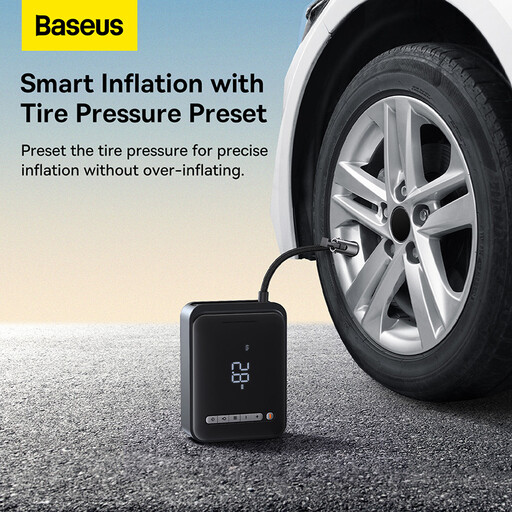
The Concept: This model merges two essential emergency tools: a jump starter and an air compressor. Its all-in-one design is perfect for saving space in your boot.
Key Features:
Who is it for? For drivers of compact cars and petrol sedans who want an all-in-one solution to handle the most common roadside emergencies: a dead battery and a flat tyre.
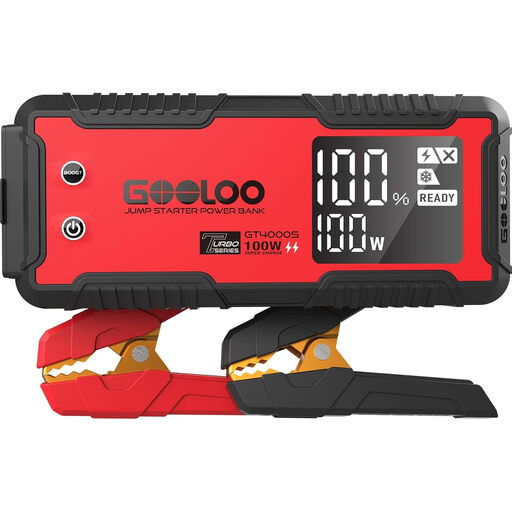
The Concept: Pure, unadulterated power combined with express charging technology. The GT4000S is a powerhouse, capable of reviving the largest engines and recharging itself in record time.
Key Features:
Who is it for? Essential for owners of large SUVs, vans, campers, or commercial vehicles. This is the choice for those who want to make absolutely no compromises on power and speed.
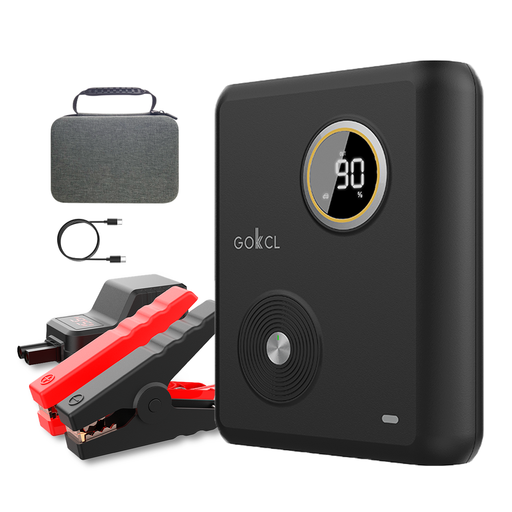
The Concept: Innovation dedicated to safety, featuring sodium-ion battery technology. Unlike traditional lithium batteries, this one promises exceptional safety and longevity, especially in extreme conditions.
Key Features:
Who is it for? The ultimate choice for peace of mind. For drivers who prioritise safety above all, those living in regions with harsh climates, or simply anyone looking for a durable, hassle-free investment.
Our selection is just a glimpse of the many solutions available on the market. To compare other power levels, features, or price points, feel free to browse our full catalogue.
? Explore our full range of vehicle jump starters
1. What power level is needed for a diesel jump starter? Diesel engines require more power to start due to their higher compression ratio. For a diesel jump starter, choose a model with a peak current of at least 1500A. For larger engines, aim for 2000A or more to ensure a flawless start, even in the middle of winter.
2. Can you leave a battery booster in your car all year round? It all depends on its battery technology. Conventional lithium models do not handle extreme temperatures well (both heatwaves and deep freezes), which can reduce their performance and lifespan. It's best to avoid storing them permanently in your vehicle. However, devices with sodium-ion batteries, like the GOKKCL GK03, are designed to withstand temperatures from -40°C to 80°C and are made for this purpose.
3. Can a jump starter recharge a car battery? No, the two should not be confused. A battery booster is an emergency solution: it delivers an intense peak current for a few seconds to force the engine to start. It is not designed to recharge a dead battery. That task is reserved for a battery charger, a separate device that plugs into a wall outlet for a slow and complete recharge.