Livraison le jour même ou le lendemain

Qualité garantie

Débloquez vos offres de bienvenue: Livraison GRATUITE | Jusqu'à -80 % | 30 jours d'essai gratuits à JoyPlus
Téléchargez l'application
The silence of an apartment in the early morning. Soft light filtering through the blinds. Before the day's rhythm takes hold, there is a suspended moment, an opportunity to set a first intention. It is in these instants that our rituals take shape. The act of preparing coffee, brewing tea, or, increasingly, crafting a fresh juice. This is not just about nutrition; it's a meditative practice, an act of self-care that grounds the start of the day in freshness and simplicity.
Integrating this ritual into our lives requires thought about the tools we choose. Far from being mere appliances, they become partners in our habits. The object must be as pleasant to use as it is to look at, blending harmoniously into the kitchen space without cluttering it.
The choice of a juicer is based on a personal philosophy of time and ingredients. The two main approaches, centrifugal and cold press, offer distinct experiences and results. A centrifugal juicer uses high-speed rotational force to separate the juice from the pulp. It's a fast, efficient method for those who want a quick juice before heading out. However, the heat generated by friction can subtly alter the taste and nutritional composition of the juice.
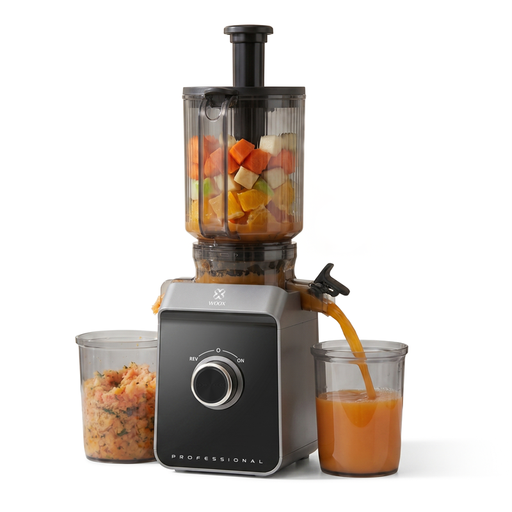
Conversely, the cold press juicer, also known as a masticating juicer, operates gently. An auger slowly grinds the fruits and vegetables, pressing the pulp against a screen to delicately extract the nectar. This process, which is quieter and gentler on the ingredients, limits oxidation and preserves a denser, more consistent texture. It is the choice for those who see juice preparation as a moment of calm, a pause before the day's hustle. The result is a vibrant juice, with flavors that seem deeper and more complex. Between these two worlds, the electric citrus juicer holds its place for its targeted efficiency, dedicated to the timeless ritual of morning orange juice.
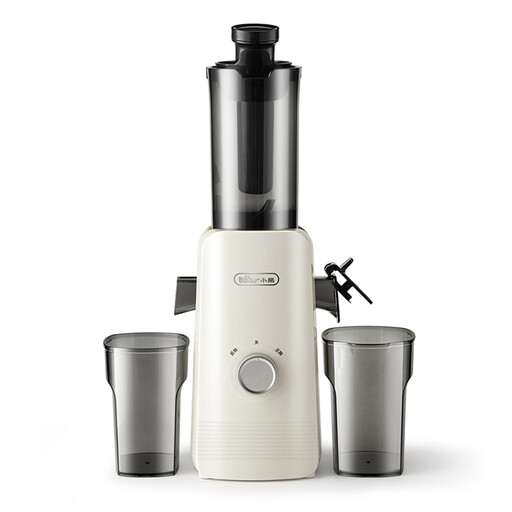
The longevity of a ritual depends on its simplicity. An appliance that is too complex or difficult to maintain often ends up relegated to the back of a cupboard. The quest for an easy-to-clean juicer is therefore paramount. Recent models, like the Rouny cold press slow juicer, feature filter-free designs that significantly simplify maintenance: a simple rinse with clear water is all it takes. For those who value spontaneity, a wide feed chute, like the one on the KITCHENCOOK Nectar Well juicer, allows you to insert whole fruits and vegetables, reducing prep time and making the process more seamless.
For more specific needs, elegance often lies in specialization. An electric citrus juicer like the H.Koenig AGR60 with its stainless steel finish offers a robust and stylish solution for citrus lovers. Its clean design integrates perfectly onto a countertop. For an even more minimalist approach, the time-honored act of using a manual citrus press remains unmatched. It requires a modest physical effort but offers direct contact with the fruit, a simple and authentic satisfaction.
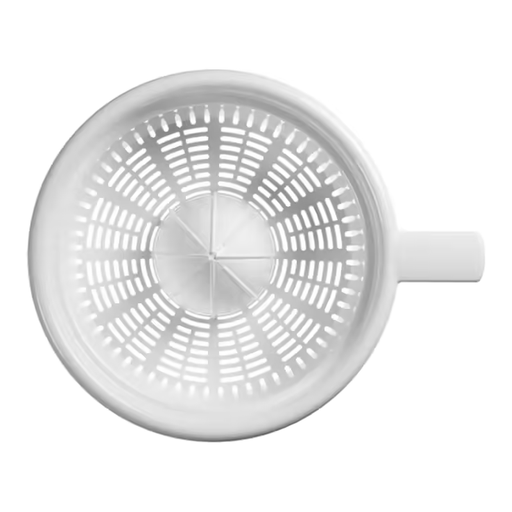
How an appliance fits into the kitchen ecosystem is also a deciding factor. For fans of a particular brand, an accessory like the KitchenAid KFP13CR citrus juicer attachment transforms an existing multi-function food processor into yet another tool, optimizing space and functionality. Ultimately, the chosen object must meet a practical need, but also an aesthetic one. Whether it's the discretion of a quiet motor so as not to wake the household or the simplicity of a compact model like the Aigostar 40W juicer, the key is to find the tool that will turn a task into a pleasure renewed each morning.
For those who wish to explore a wider selection of appliances that share this philosophy, the complete catalog of fruit and vegetable juicers is an excellent source of inspiration.