
Livraison le jour même ou le lendemain

Qualité garantie

Débloquez vos offres de bienvenue: Livraison GRATUITE | Jusqu'à -80 % | 30 jours d'essai gratuits à JoyPlus
Téléchargez l'application
A jar of pesto sauce in the cupboard is often a lifesaver for a quick, easy, and flavour-packed meal. Whether it's to elevate a pasta dish after a long day or to level up a simple bruschetta, this Italian sauce is a powerful ally in the kitchen. However, with the sheer number of options on the shelf, choosing the right jar can quickly become overwhelming. Between the classic pesto verde and the richer pesto rosso, recipes vary, as does the quality of the ingredients.
To help you see more clearly, we've sifted through several popular products on the market. The goal: to uncover the gems that combine authentic taste with convenience, so you'll never hesitate in the grocery aisle again.
To find the sauce that will delight your taste buds, here are the key points to check.
The choice depends primarily on your personal taste.
The ingredients list is your best friend. For a quality Italian pesto, look for jars that feature:
Although it's perfect as a pasta sauce, pesto is incredibly versatile. A spicy pesto makes an excellent marinade for white meats, while a pesto rosso is delicious on toasted bread with mozzarella. Your choice will therefore also depend on how you plan to use it.
Here is our selection of products, chosen for the quality of their ingredients and their taste profile.
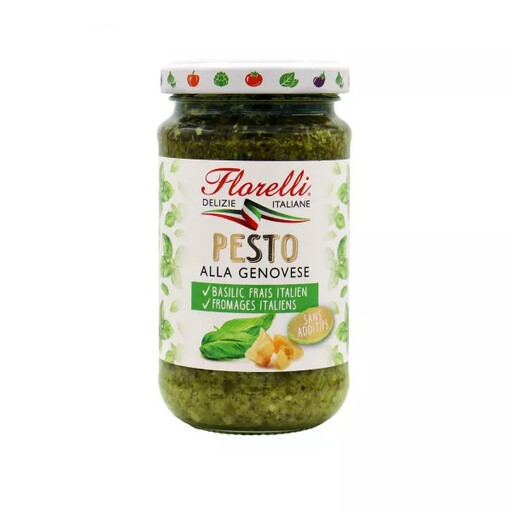
Why we chose it: This pesto alla genovese recipe makes a strong impression with its high basil content (45%), which gives it a fresh and intense flavour. The combination of Grana Padano and Pecorino Romano cheeses, along with the inclusion of pine nuts, ticks all the boxes of the traditional recipe.
Highlights:
Who is it for? For pesto verde purists looking for a pronounced basil taste and a classic composition. Ideal for a simple yet incredibly effective pasta dish.
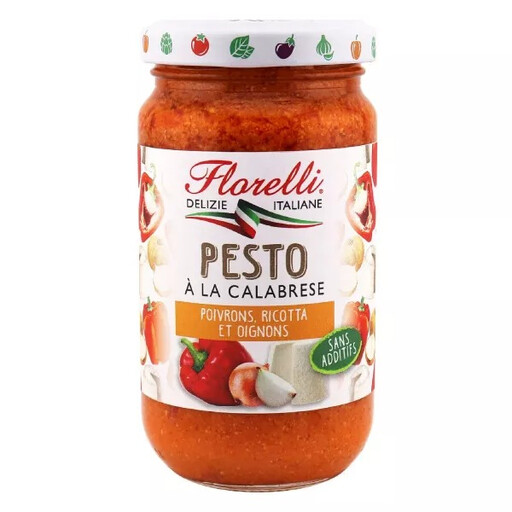
Why we chose it: Inspired by the flavours of Calabria, this spicy pesto is an alternative that packs a punch. Its base of tomato purée, sun-dried tomatoes, and red peppers is subtly spiced with chilli (2%). A pesto rosso that is full of character.
Highlights:
Who is it for? For those who like it hot and are looking for a pesto that stands out from the crowd. Perfect for giving a kick to a pasta dish or for a surprising appetiser.
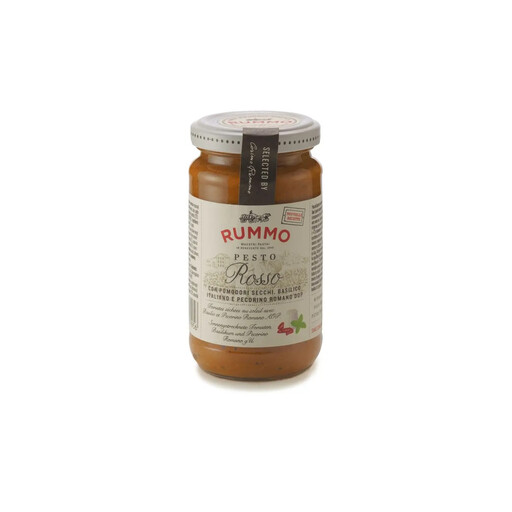
Why we chose it: The Rummo brand, a well-known pasta master, delivers a pesto rosso with a particularly creamy texture. The addition of Ricotta (6%) to the base of sun-dried tomatoes and tomato paste provides a very pleasant roundness and smoothness. The Pecorino Romano PDO cheese provides the finishing touch.
Highlights:
Who is it for? For lovers of sun-dried tomato pesto who appreciate a creamy texture and a less acidic taste. A delight with gnocchi or simply spread on fresh bread.
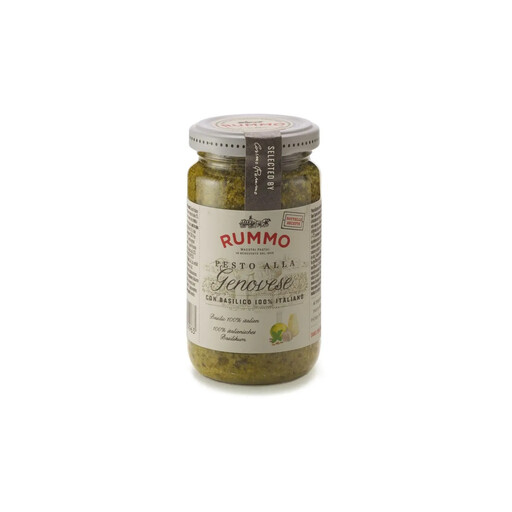
Why we chose it: This pesto alla genovese from Rummo plays the authenticity card with quality ingredients, including two PDO cheeses. A small but significant detail: the recipe includes potato, a traditional trick from some regions of Italy to bind the sauce and give it a unique texture.
Highlights:
Who is it for? For those who trust major Italian brands and want to experience the true taste of pesto genovese.
Pesto rosso owes its character to sun-dried tomatoes. If you're a fan of this rich, sun-kissed flavour, feel free to explore other specialities based on this star ingredient of Italian cuisine. Discover our selection of tomatoes to stock up on purées, preserves, and other essentials.
The simplest way: mix it directly into hot pasta. Pro tip: save one or two tablespoons of the pasta cooking water to slightly thin the pesto. This will make the sauce creamier and help it coat the pasta perfectly. But pesto isn't just for pasta: it's excellent as a tart base, in a sandwich, or to dress a salad.
Once opened, a jar of pesto should be stored in the refrigerator. It generally lasts for 3 to 5 days, although this can vary by brand. To preserve it a little longer, the secret is to cover the surface of the pesto with a thin layer of olive oil before closing the jar. This protective barrier limits contact with the air and slows down oxidation.
The term Pesto alla Genovese refers to a very specific recipe, originating from the city of Genoa in Liguria, and is often protected by a PDO. The specifications are strict: Genoese basil PDO, extra virgin olive oil, pine nuts, garlic, and a mix of Parmigiano Reggiano and Pecorino cheeses. In contrast, the "basil pesto" label is more flexible and allows for variations, such as using sunflower oil, cashews instead of pine nuts, or other types of cheese.