
Livraison le jour même ou le lendemain

Qualité garantie

Débloquez vos offres de bienvenue: Livraison GRATUITE | Jusqu'à -80 % | 30 jours d'essai gratuits à JoyPlus
Téléchargez l'application
Looking for a new aperitif experience? If the traditional glass of wine or the cocktail of the moment is starting to feel tired, why not look to Japan? The Land of the Rising Sun is brimming with subtle and refreshing flavours that go far beyond the clichés. The modern Japanese aperitif is a collection of light and often fruity drinks that pair wonderfully with Western tastes.
Our mission: to help you choose the perfect Japanese alcoholic drink for you, without getting lost in the jargon. We've carefully reviewed the available options to select only accessible products, perfect for a first tasting or for wowing your guests.
By the Joybuy team, your trend spotters
Navigating the world of Japanese alcohol can seem intimidating. But don't worry, we have a few simple tips to help you make the right choice.
For an aperitif, three main flavour families stand out:
Most Japanese drinks designed for aperitifs are distinguished by their low alcohol content, often ranging between 7?% and 12?%. This makes them much lighter and more approachable than most wines or spirits, allowing you to enjoy them without overwhelming your palate before the meal. If you're new to the world of Japanese alcohol, starting with a low-ABV option is undoubtedly the best approach.
Just as with wine, the right pairing can change everything. Here are a few ideas to get you started:
We have selected three bottles that perfectly embody the richness and accessibility of the Japanese-style aperitif.
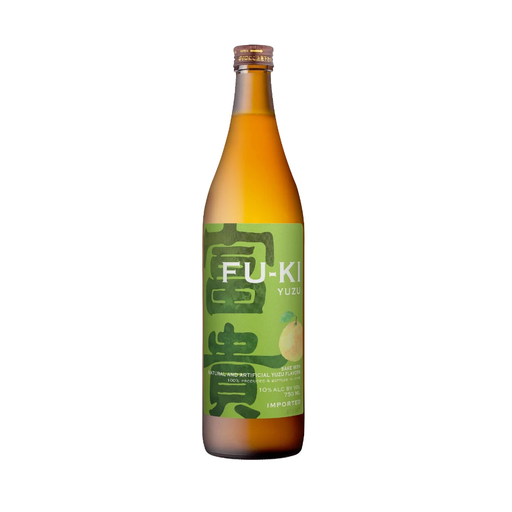
What sets it apart
This drink blends a traditional Junmai sake with freshly squeezed yuzu juice. It strikes the perfect balance between the ancestral know-how of a brewery and the modern appeal of a punchy, fruity flavour. To ensure impeccable quality, the yuzus are selected from several regions across Japan.
Highlights
Who is it for?
For those looking for a vibrant alternative to dry white wine or bitter aperitifs. It's the ideal choice for warm days, drinks on the patio, or to accompany fish-based starters.
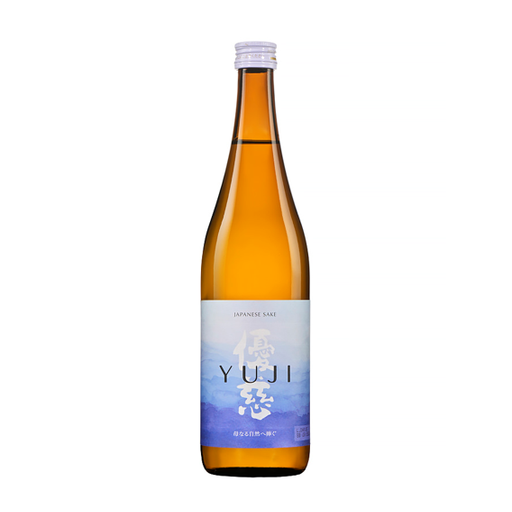
What sets it apart
YUJI sake was designed specifically for the European market, with the goal of offering an easy-to-drink, approachable sake. Brewed in Kobe, it focuses on modernity and a very smooth profile. Its taste, similar to some white wines, makes the first tasting experience incredibly easy.
Highlights
Who is it for?
For the curious who want to try sake without taking a risk. If you're a fan of off-dry, fruity white wines, YUJI Junmai will offer a new yet comfortable experience. It pairs well with moules marinières, salmon gravlax, or a young Gouda.
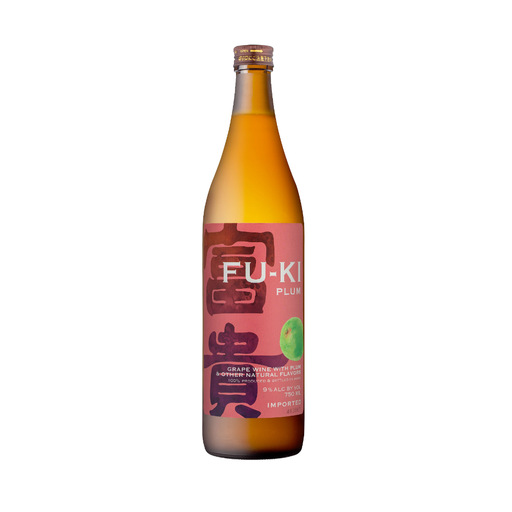
What sets it apart
This Japanese plum wine is crafted according to a historic recipe. It starts with a dry white wine base, which is then blended with a plum liqueur and plums of the Shirakaga variety, renowned for their thick flesh and concentrated taste. This unique process gives it a beautiful complexity.
Highlights
Who is it for?
For fans of sweet and fruity aperitifs, like white port or certain Muscats. It's a comforting drink that can be enjoyed on its own, well-chilled, or even alongside a fruit dessert.
This selection is just a taste of what Japan has to offer. To explore more complex flavours, other sakes, or fruit liqueurs, our full catalogue awaits.
Discover Our Full Range of Alcohols
For a first tasting, opt for a Junmai type sake with a moderate alcohol content (under 13?% ABV). Vintages that highlight fruity or floral notes are also an excellent starting point. The YUJI Junmai from our selection is a perfect example, as it was designed to be particularly accessible.
Yuzu sake is almost always served very chilled. You have several options:
The main difference lies in how they are made. Sake is a brewed beverage (like beer) made from rice, water, yeast, and kōji (a type of mould). Japanese plum wine (or umeshu) is a liqueur: plums are steeped in a neutral spirit (like shochu) or sake, along with sugar. To put it simply: sake is fermented, while umeshu is infused.