
Livraison le jour même ou le lendemain

Qualité garantie

Débloquez vos offres de bienvenue: Livraison GRATUITE | Jusqu'à -80 % | 30 jours d'essai gratuits à JoyPlus
Téléchargez l'application
Limoncello, Amaretto, Spritz… Just mentioning these names is enough to transport you to Italy. But how do you find that hidden gem, the Italian liqueur that will turn a simple aperitif into a true dolce vita moment?? Faced with an overwhelming selection, from age-old traditions to bold innovations, it's easy to get lost. This guide is here to shed some light and help you choose the authentic Italian spirit that will elevate your neat tastings, aperitifs with friends, or homemade cocktails.
Before diving into our selection, let's review a few key factors to ensure you make the right choice for a memorable tasting experience.
A liqueur's quality primarily depends on its contents. Take a close look at the list of natural ingredients. An exceptional liqueur always highlights the origin of its raw materials, like lemons from the Amalfi Coast or almonds from Puglia. A designation like PGI (Protected Geographical Indication) is an excellent guarantee of traceability and respect for local craftsmanship. Avoid long ingredient lists, which often signify artificial flavours and unnecessary colourings.
No, an Italian liqueur isn't necessarily a sugar bomb. More and more producers are reducing sugar to allow the aromatic complexity of their creations to shine. A great Amaretto can reveal notes of toasted almonds and vanilla without being cloying, while a good Limoncello should offer intense citrus freshness, not just a sugary taste. Ask yourself the right questions about its profile?: is it more floral, fruity, spicy, or does it have a hint of bitterness??
The tasting occasion is your best guide.
We've selected a few gems that stand out for the quality of their ingredients, their balance, and their versatility.
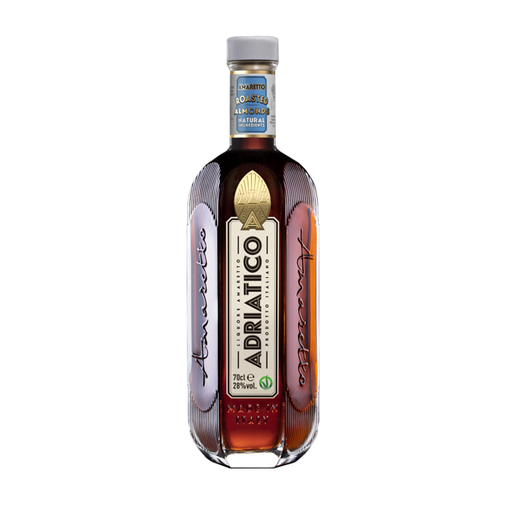
Why it stands out?: This Amaretto reinvents the traditional recipe. Made from lightly roasted almonds from Puglia, it contains half the sugar of a classic amaretto. The finishing touch?? A hint of sea salt from Margherita di Savoia, which adds unexpected complexity and perfectly balances the almond's sweetness.
Highlights?:
Who is it for?? For those who find classic amarettos too cloying and are looking for a more refined, gourmet version. It's the secret ingredient for an exceptional Amaretto Sour.
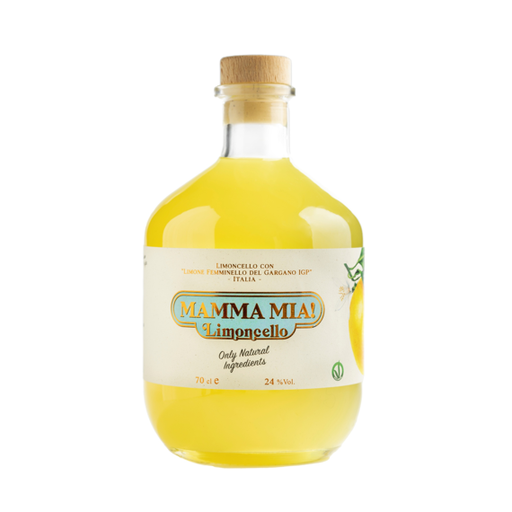
Why it stands out?: This Limoncello is a true tribute to an exceptional terroir: Gargano National Park in Puglia. It is produced exclusively from "Il Femminello Del Gargano PGI" lemons, an ancient variety picked by hand. The recipe is simple and authentic?: no colourings, no artificial flavours, and just enough sugar to let the fruit fully express itself.
Highlights?:
Who is it for?? For purists seeking a true artisanal Limoncello with a clean acidity and intense freshness, a world away from overly sweet, mass-produced versions.
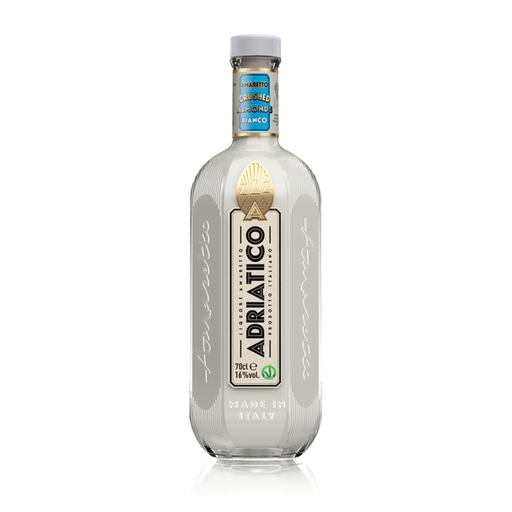
Why it stands out?: This "white" version of amaretto is a surprising innovation. Made from crushed white almonds, it offers a lighter, more delicate alternative. Its 100% plant-based composition (no milk or cream) makes it an excellent vegan liqueur. Its aromatic profile evokes madeleines and fresh almonds, with a powdery sweetness.
Highlights?:
Who is it for?? Ideal for those seeking a smoother, lower-alcohol alternative to classic amaretto, as well as for vegans. Its delicacy makes it a prime ingredient for creative cocktails or a light and elegant aperitif.
If our selection has whetted your appetite, the world of Italian spirits is full of other treasures. Vermouths, amari, grappas… Discover our full range to continue the journey.
? Discover our selection of Aperitif Wines
Amaretto is a liqueur made from almonds (or apricot kernels) with a sweet, gourmet taste, featuring notes of nuts and vanilla. Limoncello, on the other hand, is made by macerating lemon peels in alcohol, which gives it its characteristic fresh, intense, and zesty flavour. The former evokes warmth and indulgence, while the latter embodies Mediterranean freshness.
It all depends on the liqueur and the occasion!
Look for a few tell-tale signs: a short and transparent list of natural ingredients, a mention of the raw materials' origin (ideally with a label like PGI), the complete absence of artificial flavours and colourings, and of course, a perfect balance between sugar, alcohol, and the flavours of the fruit or plant.