
Livraison le jour même ou le lendemain

Qualité garantie

Débloquez vos offres de bienvenue: Livraison GRATUITE | Jusqu'à -80 % | 30 jours d'essai gratuits à JoyPlus
Téléchargez l'application
Between endless workdays and a packed student schedule, making a meal that's delicious, quick, and budget-friendly can be a real challenge. That's where instant udon noodles come in. Far more than just a quick fix, they offer a culinary journey to Asia in one comforting bowl.
To help you navigate the jungle of available options, we've broken down the different formats, flavours, and origins. Follow our guide to find the perfect pack of udon noodles to satisfy your cravings and fit your lifestyle.
To find the perfect udon noodles for you, there are three key criteria to consider.
Cook-from-scratch pack or all-in-one bowl? The choice of packaging largely depends on how much time you have.
Although udon noodles are a specialty in both Japan and Korea, each country adds its own unique culinary signature.
Last but not least: do you prefer a saucy dish or a large, hot bowl of soup?
To whet your appetite, here are a few gems that perfectly illustrate the rich world of instant udon noodles.
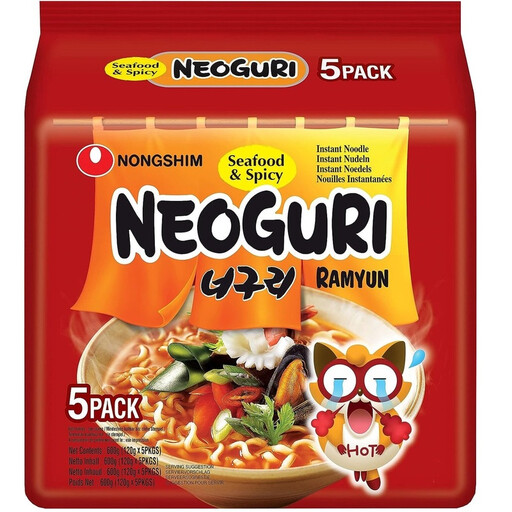
What sets it apart: Nongshim is the gold standard for Korean noodles. The Neoguri version combines thick, chewy udon noodles with a robustly spicy seafood broth, a true brand signature. The dehydrated garnish packet contains real pieces of vegetables and a small square of kombu seaweed that infuses the broth with its distinctive marine aroma.
Key Features:
Who is it for? Fans of bold flavours and authentic Korean taste. If you're looking for a noodle soup with body and character, look no further.
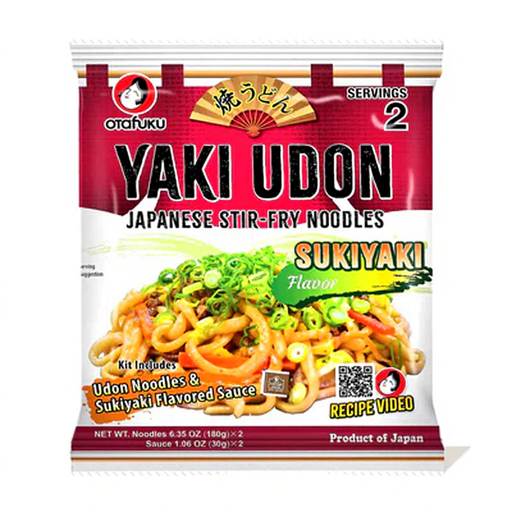
What sets it apart: This kit lets you prepare authentic Japanese yaki udon at home in minutes. It contains two servings of pre-cooked udon noodles and a rich, flavourful sukiyaki sauce. Preparation is incredibly simple: just stir-fry the noodles with the sauce and add your choice of vegetables or meat.
Key Features:
Who is it for? Those who swear by stir-fried noodles and the deep, mellow flavours of Japanese cuisine. An excellent canvas for a quick and creative meal.
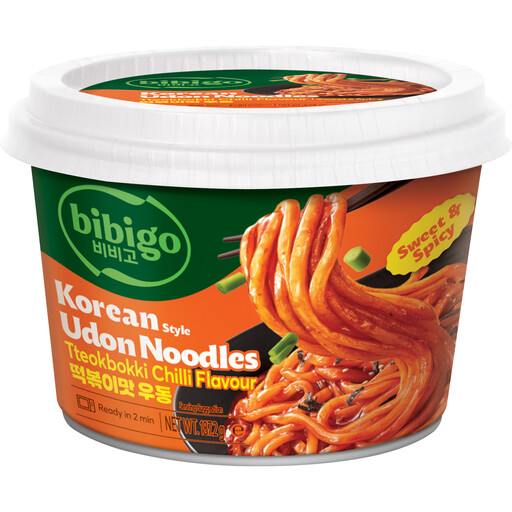
What sets it apart: Bibigo dares to fuse two giants of Korean street food: tteokbokki and udon. This udon cup noodle contains thick noodles generously coated in a spicy yet slightly sweet gochujang sauce, typical of tteokbokki. Its bowl format is designed for lightning-fast microwave preparation.
Key Features:
Who is it for? Students, busy young professionals, and anyone curious about unique Korean flavours. The perfect lunch when you want something original without wasting time.
Our selection has given you a glimpse of three distinct flavour profiles, but the world of Asian noodles is nearly infinite. Want to discover other textures or types of dishes, from soba noodles to rice vermicelli? Feel free to explore our complete thick noodle category.
What's the difference between udon and ramen noodles? The main difference lies in their composition and texture. Udon noodles are thick, soft, and chewy, made from wheat flour, water, and salt. Ramen noodles, on the other hand, are thinner, firmer, and contain kansui (an alkaline water) which gives them their characteristic yellowish colour and springy texture.
How can you upgrade instant udon noodles? It couldn't be simpler! A soft-boiled or fried egg, some chopped spring onions, sheets of nori seaweed, sesame seeds, or even leftover roast chicken or stir-fried vegetables... These simple additions can transform a basic dish into a much richer and more substantial meal.
Are all instant udon noodles spicy? No, far from it! The selection is very broad. While options like spicy Japanese noodles do exist, many versions are mild and savoury, especially those with dashi broth or sukiyaki sauce. As a general rule, products of Korean origin are more likely to be spicy. A quick look at the packaging will always tell you the spice level.