
Livraison le jour même ou le lendemain

Qualité garantie

Débloquez vos offres de bienvenue: Livraison GRATUITE | Jusqu'à -80 % | 30 jours d'essai gratuits à JoyPlus
Téléchargez l'application
A business trip to Tokyo, a holiday in Thailand... and always the same anxiety: how do you break the language barrier? Instant translator earbuds promise a world without linguistic borders. The problem: the market is flooded with gadgets offering wildly varying performance, and it's easy to get lost between marketing claims and real-world results.
Our mission is to help you see things more clearly. This guide breaks down the essential criteria for making an informed choice and avoiding the most common pitfalls.
The technological promise is tempting, but it shouldn't overshadow the on-the-ground reality. Here are three common issues that can turn a promising purchase into a useless gadget.
For a successful purchase, focus on the technical specifications that truly make a difference in the field.
Don't be swayed by big numbers. Quality trumps quantity. It's better to have a model that perfectly masters 40 languages than one that stumbles through 140. Ensure the device relies on reputable AI engines and check the different modes offered (conversation, listening, etc.).
Travel earbuds must have stamina. Be sure to check the battery life of the earbuds alone, but more importantly, the total battery life with the charging case. A stable Bluetooth voice translator connection (aim for version 5.2 or newer) is just as crucial. Your smartphone does the heavy lifting via the app, and the slightest disconnection can sabotage a conversation.
You'll be wearing them for hours, so comfort is non-negotiable. Beyond ergonomics, some features are game-changers. Active Noise Cancellation (ANC) isn't a gimmick; it's essential for isolating your partner's voice to get a clear translation. Likewise, a case with a touchscreen can be incredibly practical for controlling translations without constantly pulling out your smartphone.
Because every user is unique, here are three models that meet specific needs, all evaluated against the criteria we've just discussed.
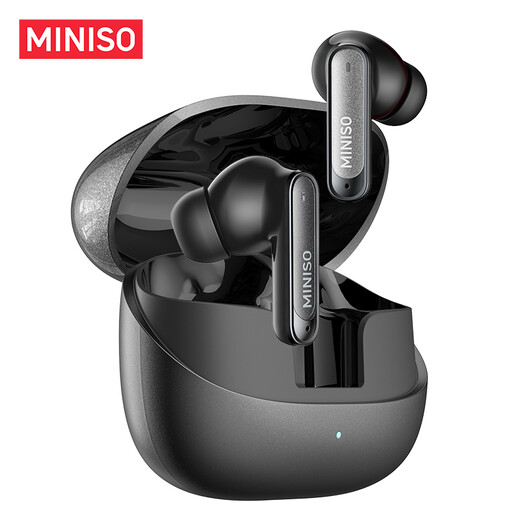
Why we chose it: The ideal entry point to test the technology without breaking the bank. Perfect for a linguistic boost on occasional trips.
This model plays the transparency card: it embraces its reliance on the mobile app, steering clear of the "total independence" myth. Its budget-friendly price protects you from nasty surprises related to subscriptions.
Excellent value for money for taking your first steps into the world of earbud translation.

Why we chose it: The all-in-one solution for professionals and frequent flyers. The case's touchscreen, Active Noise Cancellation (ANC), and compatibility with 135 languages make it a true Swiss Army knife for communication.
Its integrated screen lets you operate without a smartphone, while the Active Noise Cancellation (ANC) tackles the number one problem head-on: audio clarity in noisy environments.
The combination of the touchscreen and ANC makes it a remarkably effective tool for professional and on-the-go use.
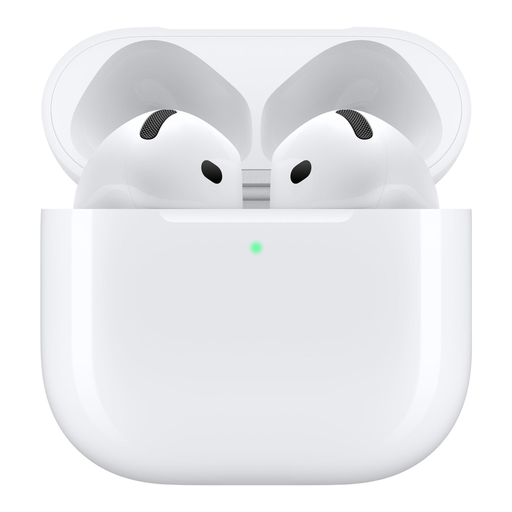
Why we chose it: For fans of the Apple ecosystem, AirPods are a safe bet. Their impeccable mic quality and flawless connectivity provide the perfect foundation for running the best translation apps from the App Store.
These aren't dedicated translation earbuds, and that's their strength. They avoid the low-end hardware trap by leveraging the power of the iPhone and its flawless voice capture. You remain in control by choosing the app that suits you best.
Benchmark audio and mic quality, plus seamless integration with the Apple ecosystem for a flawless software experience with third-party apps.
Our complete selection might just have the hidden gem that perfectly meets your needs. Take a look!
Yes, but with major limitations. Most models need an internet connection (Wi-Fi or 4G/5G) to connect to the powerful AI servers that ensure reliable translation. Offline mode is a backup plan, often limited to a few languages and survival vocabulary—useful for asking for directions, but not for holding a conversation.
Comfort and clarity. The experience is much more natural and fluid in hands-free mode. Most importantly, the earbuds' microphones are designed to isolate your partner's voice in a noisy environment, whereas your smartphone's mic, held at arm's length, will pick up all the surrounding background noise.
Not quite. The word "instant" is a bit optimistic. You can expect a short delay of one to three seconds: the time it takes for the sound to be captured, sent to the server, translated, and sent back to your ears. It's fast enough to keep the conversation flowing, but we're not quite at the level of the Babel Fish from The Hitchhiker's Guide to the Galaxy yet.