
Livraison le jour même ou le lendemain

Qualité garantie

Débloquez vos offres de bienvenue: Livraison GRATUITE | Jusqu'à -80 % | 30 jours d'essai gratuits à JoyPlus
Téléchargez l'application
Long days in class, back-to-back deadlines at the office... It's not always easy to find the time to prepare a meal that's affordable, quick, and comforting. Instant noodles often emerge as the go-to solution. The problem? With shelves overflowing with options, it's hard to know where to start. How can you tell the difference between an authentic flavor and a soulless dish? How do you find that hidden gem that will delight your taste buds?
As the Head of the Deals section at Joybuy, my mission is to do the legwork for you. This guide is designed to help you navigate the best Asian noodles on the market, with practical tips to make the right choice, beyond the marketing slogans.
Before we get to our top picks, let's review a few essential criteria to help you navigate the jungle of quick Asian meals.
The packaging is the first thing to consider, as it determines the preparation method:
Behind the term "instant noodles" lies a wide array of flavors from all over Asia. Here are a few pointers to guide you:
A quick look at the ingredient list and nutritional information is a must. Pay close attention to allergens (wheat, soy, crustaceans, and peanuts are common) and the salt content. It's the best way to choose a product that fits your diet and expectations.
We've selected three standout products, praised by connoisseurs for their unique flavors.
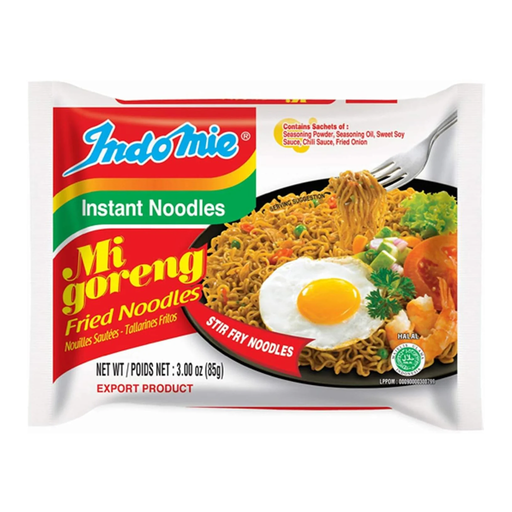
Why we love it: Indomie's Mi Goreng is an absolute classic, and for good reason. Forget soup: this is all about Indonesian-style stir-fried noodles. The secret lies in the five seasoning sachets (powder, oil, sweet soy sauce, chili sauce, and fried onions) which, when combined, deliver a stunningly complex flavor for a ready-made dish.
Key features:
Who is it for? For anyone who prefers "dry" noodles (without broth) and is looking for a delicious and accessible gateway to Indonesian flavors.
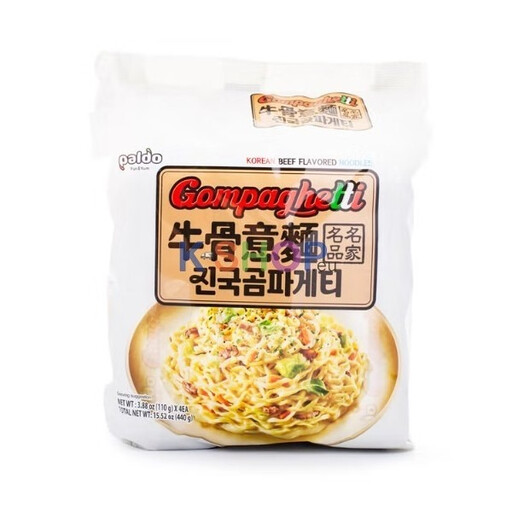
Why we love it: Paldo's Gompaghetti reimagines Jjajangmyeon, an iconic Korean street food dish. Its signature? A rich, creamy, and comforting black sauce made from fermented soybean paste. Unlike spicy noodles, it offers a deep, umami-rich flavor with a hint of sweetness.
Key features:
Who is it for? For the curious who want to explore Korean cuisine beyond the spicy stereotypes, with a comforting and original dish.
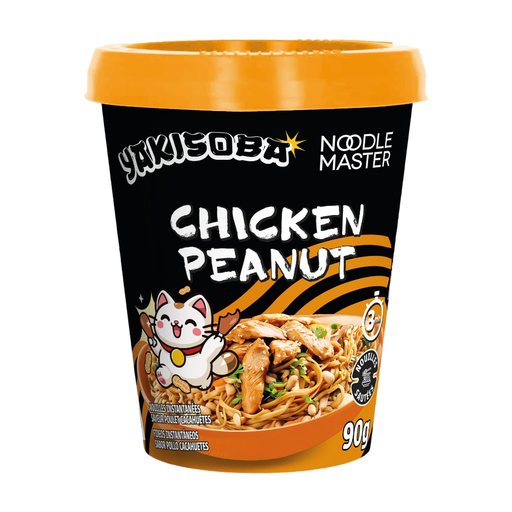
Why we love it: This Yakisoba in a cup is convenience at its best. Its original Southeast Asian-inspired flavor combines chicken with notes of peanut reminiscent of satay sauce. The cup format is unbeatable: no kitchen needed, just a kettle.
Key features:
Who is it for? For busy students and professionals looking for an express lunch solution, as well as fans of satay-style peanut flavors.
Our selection is just a taste of what's available. Regional specialties, traditional instant ramen broths, and spice levels for the most adventurous... there's something for everyone. Feel free to explore our complete collection!
? Discover our full range of instant noodles
1. How can I level up my instant noodles? Nothing could be simpler! For a more substantial meal, add an egg (soft-boiled, fried, scrambled), some fresh vegetables (scallions, spinach, bean sprouts), or leftover roasted chicken or tofu. A drizzle of sesame oil and some toasted sesame seeds will also make a world of difference.
2. Ramen, Mi Goreng, Yakisoba: what's the difference? The term "ramen" refers to a specific Japanese dish: noodles served in a broth. Instant ramen tries to replicate this experience. The term Asian noodles is much broader: it includes stir-fried noodle dishes without broth like Mi Goreng (Indonesia), saucy dishes like Jjajangmyeon (Korea), and Yakisoba (Japan).
3. Are the spicy noodles really that hot? The heat level can range from a gentle tingle to a full-on fire in your mouth! Korean noodles, in particular, are known for not pulling any punches. Trust the indicators on the packaging. Our advice if you're sensitive to spice: start by using only half of the chili sauce packet. You can always add more if your heart (and palate) desires.