If you regularly make espressos from beans, a bean-to-cup machine is worth considering if you’re happy with the maintenance, noise and space it requires. Capsules are suited to making drinks one cup at a time; a portafilter machine is for those who want to measure and tamp their coffee themselves; and a filter coffee maker works well for households that usually serve several cups of long coffee at once.
Which households are these systems suited to?
Households that often make espressos
If several people regularly drink espressos and want to choose their own beans without measuring and tamping each cup, compare automatic bean-to-cup machines. Check which milk-based drinks each model offers and how to clean the milk system.
Households that make drinks one cup at a time
If ease of use and available space are your priorities, a capsule machine is worth considering. The capsule format it accepts and how easy it is to get hold of them are also important factors.
Households that mostly serve long coffee
If you want to serve several cups from one brew, look at filter coffee makers. The carafe capacity and number of cups you can make at once become key factors.
What sets these systems apart?
Start with the type of drink you want and how you plan to serve it, then check the maintenance involved and how much space the machine will take up day to day.
| Criteria | What to check | What suits me? |
|---|
| Type of coffee |
Compare single espressos, milk-based drinks and filter coffee made in a carafe. For a bean-to-cup machine, check the recipes and milk system on the specific model. |
Do I mostly serve espressos, or several large cups of long coffee? The answer points to different types of machine. |
| Preparation |
A portafilter machine involves filling, measuring, tamping and locking in the coffee, as described by De’Longhi France. Compare these steps with an automatic machine or a pre-dosed capsule. |
I want to make each espresso myself; otherwise, I’d rather keep the number of steps to a minimum when making several coffees in a row. |
| Maintenance |
Check how easy it is to access the trays and brewing unit, the descaling process and how to clean the milk system, if there is one. |
Will regular cleaning fit into our routine, especially after making milk-based drinks? |
| Space and noise |
Measure the machine and the clearance needed to fill its tanks. UFC-Que Choisir says that a bean-to-cup espresso machine takes up more space and makes more noise than a capsule system or a filter coffee maker. Also compare the noise level of the model you’re considering. |
In a small kitchen or open-plan room, I want to be able to fill the machine and make coffee without too much disruption. |
| Serving and supplies |
Depending on the system, check whether a bean-to-cup espresso machine can make two cups at once, the capacity of a filter coffee carafe or the capsule format it accepts. |
We often make several coffees in a row, so I’ll choose a way of serving that suits the drinks we usually have. |
What should you avoid overlooking?
-
Assuming a bean-to-cup machine will be quiet wherever you put it
UFC-Que Choisir says that a bean-to-cup espresso machine is noisier and takes up more space than a capsule system or a filter coffee maker. In an open-plan kitchen, the grinding and rinsing noise may affect your decision.
Measure the space, including access to the trays and tanks. If noise matters to you, look for noise measurements for the specific model you’re considering.
-
Choosing milk-based drinks without planning for the cleaning
Making drinks with milk means there are extra parts or a steam wand to clean after use. This is more of a consideration if you often make cappuccinos and lattes.
Compare how to clean a steam wand with the cleaning process for an automatic milk system on the models you’re interested in.
Depending on the machine, you may also need cleaning products designed specifically for the milk system.
-
Assuming capsules sort themselves out
How you recycle a capsule depends on the capsule itself and the collection scheme available. Choosing a capsule system also means thinking about what to do with each capsule after use.
Check your local council’s guidance and, if you’re interested in a dedicated collection scheme, make sure it’s convenient for you.
Which brands should you compare for each system?
De’Longhi
The range presented by De’Longhi France includes automatic bean-to-cup machines, portafilter machines and capsule systems to compare.
- For a portafilter machine, the manufacturer describes a process involving filling, tamping and locking in the coffee. This is worth considering if you want to get hands-on with every cup.
- For an automatic machine, check the drinks, milk system, maintenance requirements and dimensions for each model.
Melitta
Melitta France offers filter coffee makers as well as bean-to-cup espresso machines, making the brand worth comparing if your household is choosing between long coffee and espresso.
- Melitta says its AromaFresh X filter coffee maker can brew 2 to 10 cups. This capacity applies to this model, not the whole range.
- For an automatic bean-to-cup machine, check the regular cleaning and descaling required for the model you’re considering.
Nespresso
Nespresso is a capsule option for households that make drinks one at a time using a pre-dosed system.
- Nespresso France says it offers dedicated collection points for used capsules.
- Check which capsule format the machine accepts and what recycling guidance applies where you live.
Philips
Philips offers support resources for its coffee machines, which are useful when comparing the maintenance involved with bean-to-cup espresso machines.
- Philips France provides manuals, frequently asked questions, and cleaning and maintenance advice.
- Check the documentation for the specific model to find out what tasks are required and which accessories you’ll need.
Bean-to-cup machines available on Joybuy
These models are options to consider if you’re looking for an automatic bean-to-cup espresso machine to make coffee regularly from beans. If your household mostly drinks filter coffee or prefers capsules or a portafilter machine, compare those systems first before choosing a machine.
 Image unavailable
Philips Series 2200 EP2230/10 LatteGo, glossy black
If you regularly make espressos from beans, compare the drinks on offer and the maintenance involved with the LatteGo system. Also check how much space you’ll need to access the trays.
View on Joybuy
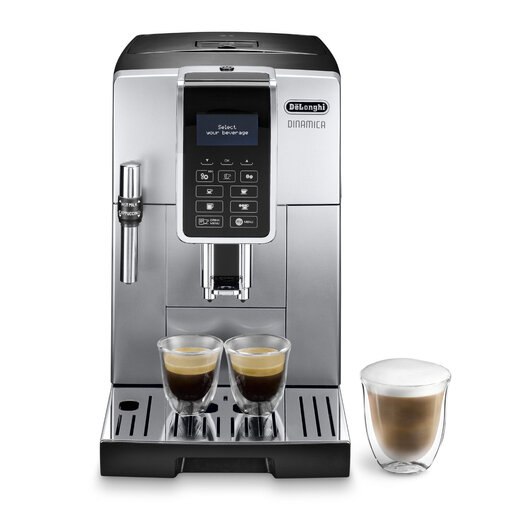 Image unavailable
De’Longhi Dinamica ECAM350.35.SB, silver and black
This automatic espresso machine is worth comparing if several people in your household drink coffee made from beans. For milk-based drinks, check that the preparation and cleaning steps fit your routine.
View on Joybuy
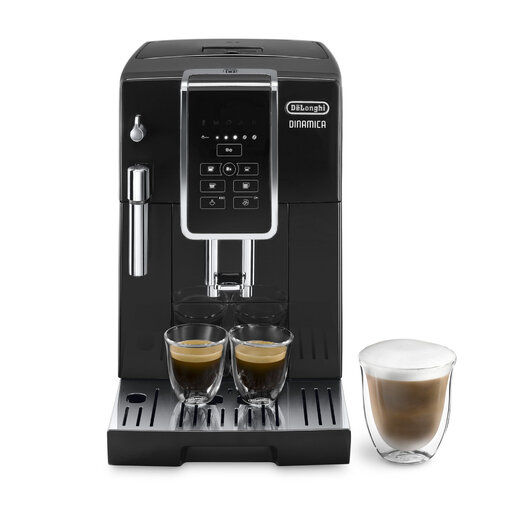 Image unavailable
De’Longhi Dinamica ECAM350.15.B, black
If you regularly make coffee from beans, take a look at the drinks and settings available on this model. If you’d also like milk-based drinks, check how they’re made and what cleaning they involve.
View on Joybuy
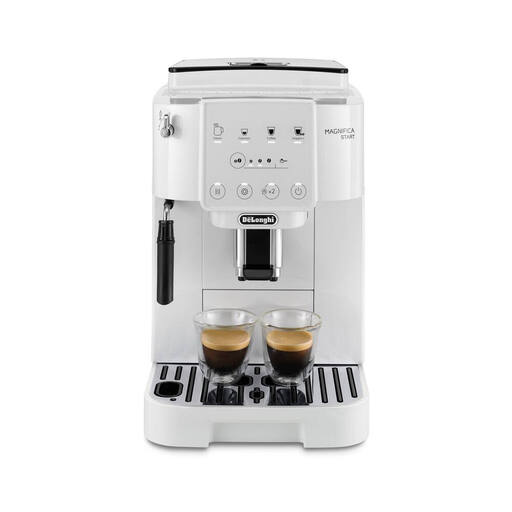 Image unavailable
De’Longhi Magnifica Start ECAM220.21.WW, white
This bean-to-cup machine is worth considering if your household regularly drinks espressos. Check which drinks it can make, whether it can prepare milk and how much space you’ll need for filling and cleaning.
View on Joybuy
 Image unavailable
HiBREW H16 with grinder, milk system and touchscreen
The grinder, milk system and six coffee varieties mentioned in the product name make this a model worth considering if people in your household like different drinks. Check the manual for cleaning requirements before choosing it.
View on Joybuy
Frequently asked questions
Is a bean-to-cup espresso machine suitable for making several coffees a day?
Yes, it’s an option to consider if your household regularly drinks espressos and wants to use beans. However, allow for regular maintenance and check the machine’s dimensions and noise level. UFC-Que Choisir says that a bean-to-cup espresso machine takes up more space and makes more noise than a capsule system or a filter coffee maker.
What maintenance does a bean-to-cup machine need?
Clean the trays and carry out the rinsing and descaling tasks specified in the machine’s manual. If you make milk-based drinks, also check how to clean the steam wand or milk system after use.
Where can I recycle coffee capsules in France?
ADEME says that aluminium or plastic capsules can go in the recycling bin, bag or container for paper and packaging. Check your local council’s guidance too; some brands offer a dedicated collection scheme.


