
Livraison le jour même ou le lendemain

Qualité garantie

Débloquez vos offres de bienvenue: Livraison GRATUITE | Jusqu'à -80 % | 30 jours d'essai gratuits à JoyPlus
Téléchargez l'application
Choosing your cat's food is not a decision to be taken lightly. Faced with an overwhelming number of options, it's easy to get lost. More and more of you are turning to grain-free cat p?té with a clear goal: to provide nutrition that more closely matches the natural needs of your companion, especially if they have a sensitive stomach.
This guide is here to provide some clarity. Together, we'll break down the criteria that truly matter when choosing a quality wet cat food and present a selection of products that deliver on their promises, cutting through the marketing fluff.
Before comparing products, let's review the key points to check on a label. These are what make all the difference.
Let's not forget: the cat is a strict carnivore. Its digestive system is designed to primarily metabolise animal-based proteins and fats. A worthy grain-free cat food must therefore list meat or fish at the top of its ingredients, with a high percentage.
Favour transparent compositions that detail the type of meat (chicken, lamb, salmon...) and avoid vague terms like "animal by-products". This transparency is often the first sign of a high-quality product.
These two labels address very distinct needs:
This table, mandatory on all packaging, is a goldmine of information. Here's what to look for first:
After scrutinising dozens of compositions, we've selected three standout products based on the quality of their formulation and their nutritional philosophy.
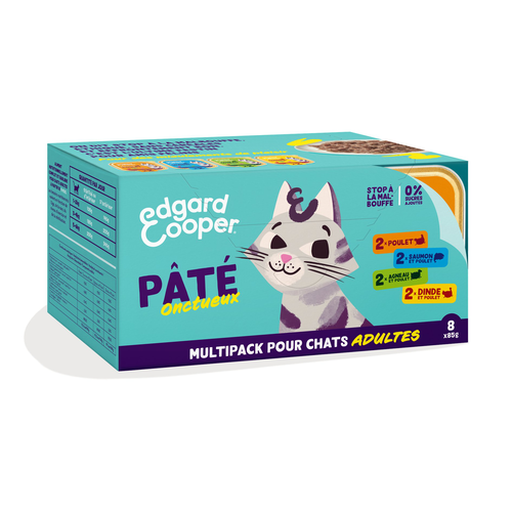
Why this product stands out: The EDGARD & Cooper brand goes all in on freshness and variety. This variety pack offers four recipes (Chicken, Salmon & Chicken, Turkey & Chicken, Lamb & Chicken), all made from fresh meat and high-quality offal. The absence of grains, added sugars, or artificial preservatives ensures a healthy and highly digestible recipe.
Key strengths:
Who is it for? An excellent option for owners who want to offer their adult cat a varied and premium diet, without being limited to a single flavour. Ideal for cats with no specific protein allergies.
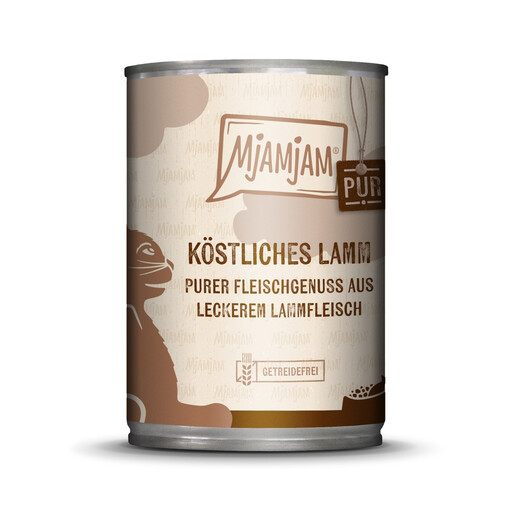
Why this product stands out: MJAMJAM takes a purist approach with this single-protein p?té. The recipe is straight to the point: 71% lamb meat and high-quality offal (heart, liver, lung, kidney, tripe), a little broth, and minerals. That's it. It's the ideal formula for a targeted diet, designed for the most sensitive cats.
Key strengths:
Who is it for? The p?té of choice for adult cats with confirmed food sensitivities or allergies. Its simple composition and single protein source make it an ally for owners who want total control over their companion's diet.
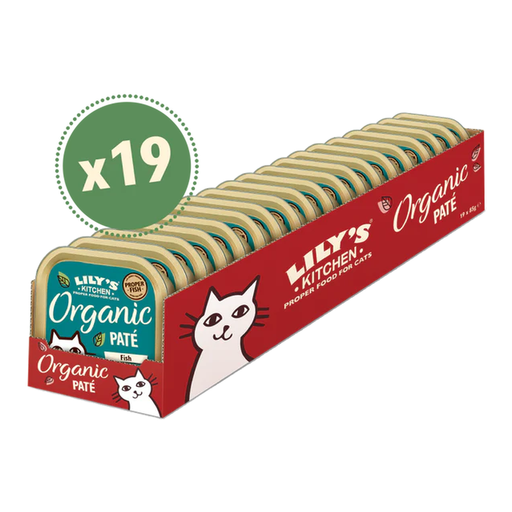
Why this product stands out: With Lily's Kitchen, we enter the world of certified organic cat p?té. This certification guarantees that all agricultural ingredients meet strict standards. The recipe combines several protein sources (fish, pork, chicken, beef) for a rich nutritional profile and complex flavours.
Key strengths:
Who is it for? For owners for whom organic certification is a non-negotiable criterion and who are looking for a natural cat food without compromise. It is perfect for adult cats that tolerate different protein sources well.
Every cat is unique. The final choice will always depend on their tastes, their needs, and your own convictions. If our selection doesn't check all the boxes or if you're simply curious to discover other flavours and formats, feel free to explore our full range.
Discover Our Entire Selection of Cat P?tés
A grain-free diet mimics the natural diet of a cat, a carnivore by nature. It is often better tolerated by cats with sensitive stomachs and can greatly improve their digestion. These recipes, richer in high-quality animal protein, are essential for maintaining muscle mass and overall vitality.
It's all about the water content. Wet cat food (p?té) contains about 80% water, a major advantage for ensuring good hydration and protecting your pet's kidneys. Kibble (dry food) is more convenient for storage and helps with oral health, but it requires the cat to compensate by drinking plenty of water. Mixed feeding, which combines both, is often the best compromise.
There are some tell-tale signs: recurring digestive issues (vomiting, diarrhoea), skin problems (intense itching, hair loss)... If you suspect an intolerance or allergy, the first step is to consult your veterinarian. They can guide you towards an elimination diet, which uses a single-protein p?té, to precisely identify the ingredient responsible.