
Livraison le jour même ou le lendemain

Qualité garantie

Débloquez vos offres de bienvenue: Livraison GRATUITE | Jusqu'à -80 % | 30 jours d'essai gratuits à JoyPlus
Téléchargez l'application
Plastic is becoming less of a default choice in our kitchens. Health, eco-friendliness, durability… glass ticks all the boxes, establishing itself as the material of choice. But with a plethora of options available, how do you navigate the choices?? This guide is here to help you see things more clearly, breaking down the essential criteria and presenting our selection of the best models.
Before you take the plunge, a few key points deserve your attention to ensure a successful and long-lasting purchase.
Not all glass is created equal, especially when it comes to withstanding thermal shock. Borosilicate glass is particularly valued for its high resistance to such changes. This characteristic makes it compatible for use in the oven, microwave, freezer, and refrigerator. A glass dish with a lid made from borosilicate is therefore the perfect ally for meal prep, allowing you to cook, store, and reheat in the same container. Soda-lime glass, which is more common, is sturdy but handles sudden temperature changes much less effectively.
The effectiveness of a storage container primarily depends on its lid. To keep your food fresh longer, whether it's leftovers or dry goods, an airtight glass jar is non-negotiable. Lids come in several materials?:
For optimised glass kitchen storage, the shape of the containers is a point not to be overlooked. Rectangular or square models are the champions of optimisation?: they stack perfectly and free up space in cupboards and the refrigerator. Round jars, on the other hand, are often preferred for storing bulk ingredients in the pantry or as spice jars. Also consider versatility?: a container that can go from the freezer to the oven and then to the table will greatly simplify your daily routine.
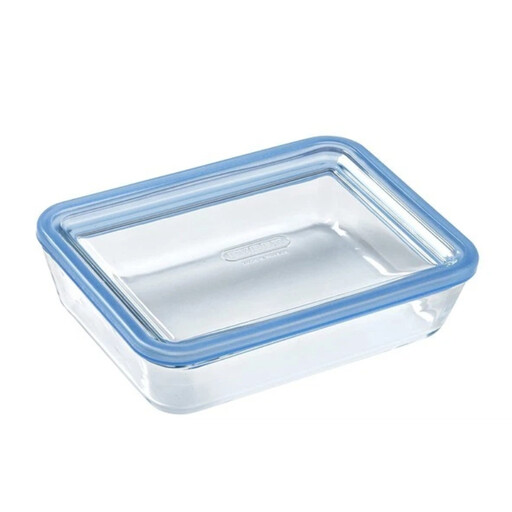
meal prep enthusiasts who want a single glass food container to cook, store, reheat, and serve. The Swiss Army knife of food storage!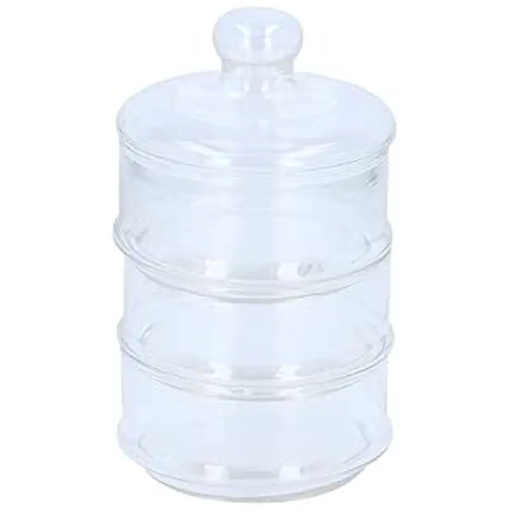
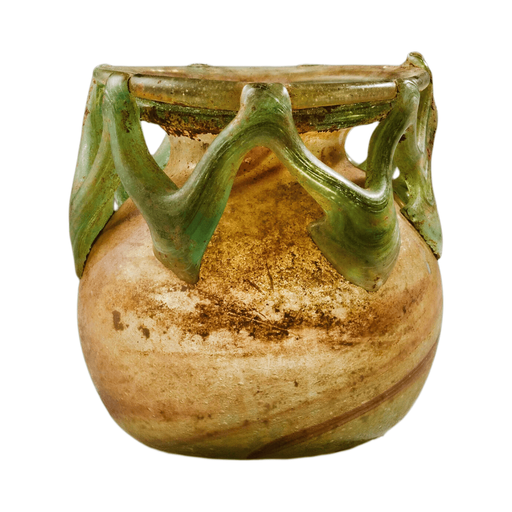
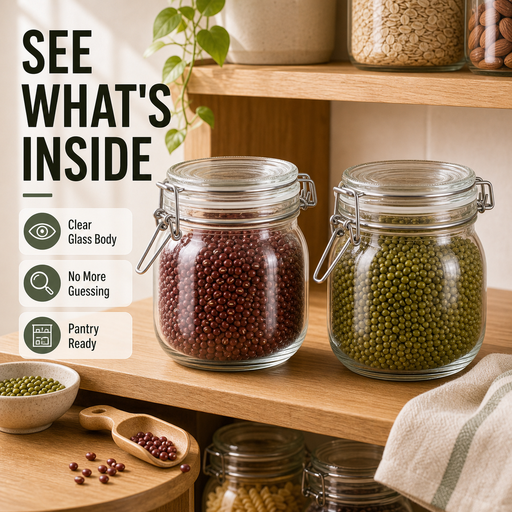
Every kitchen has its own storage needs. If our selection doesn't perfectly match your requirements, don't worry?: dozens of other solutions are available.
To discover different sizes, shapes, and closing systems, explore our complete collection of Glass Storage Containers.
The difference lies in their chemical composition, which changes everything when it comes to thermal shock resistance. Borosilicate glass contains boron trioxide, which allows it to withstand rapid and significant temperature variations without cracking. Regular (soda-lime) glass is much less resistant to these changes and is therefore not suitable for going from the freezer to the oven, for example.
Even with borosilicate glass, this is a very bad idea. This violent thermal shock can cause the container to crack or even shatter. The best practice?: always let the dish cool to room temperature before refrigerating it.
Good news?: most glass containers are dishwasher safe, which greatly simplifies their maintenance. For the lids, caution is advised?: follow the manufacturer's instructions. Plastic or silicone ones are often compatible, but wood or bamboo lids must be washed by hand and dried immediately to prevent them from warping or growing mould. Also, remember to remove the silicone gaskets from time to time for a thorough cleaning.