
Livraison le jour même ou le lendemain

Qualité garantie

Débloquez vos offres de bienvenue: Livraison GRATUITE | Jusqu'à -80 % | 30 jours d'essai gratuits à JoyPlus
Téléchargez l'application
Swapping your plastic tubs for glass containers is the first step towards a healthier, more sustainable, and better-organised kitchen. But with an overwhelming array of options, it's hard to know where to start. As an expert in everyday products, my mission is to provide clear, practical advice to help you find the ideal storage containers, without getting lost in marketing jargon.
This guide breaks down the essential criteria and presents a selection of products tailored for specific uses, whether you're looking to store your dry goods, get into meal prep, or simply optimise your kitchen organisation.
To ensure you make the right choice, there are three criteria to scrutinise. They will guarantee your purchase is as practical as it is durable.
Not all glass containers are created equal. Borosilicate glass stands out thanks to its incredible resistance to thermal shock. What does that mean in practice? It can go from the refrigerator to the microwave—and for some models, directly into the oven—without the risk of shattering. This is an essential feature for a versatile meal prep container. Glass is also a non-porous material: it doesn't absorb odours or stains (goodbye, tomato sauce marks!). As it's guaranteed BPA-free, it's the healthiest choice for your food.
An airtight glass jar is crucial for preserving the freshness of food, both dry and liquid. It all comes down to the lid and its closing mechanism. The most common and effective are lids with a silicone gasket that blocks out air and moisture. Some models go a step further with locking clips on the sides, providing a welcome extra layer of security, especially if you transport your meals. This is a point not to be overlooked if you plan on taking your lunch to the office.
A good glass dish with a lid should, above all, make your life easier. Think about your daily use.
Here is our selection of models that caught our eye, each meeting a specific need, from decorative storage for dry goods to ultra-functional batch cooking.
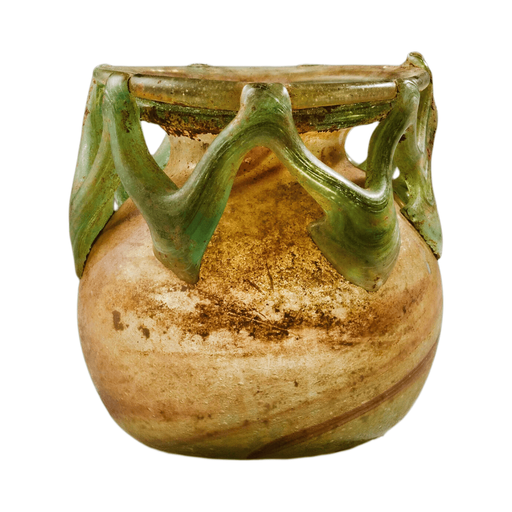
Why we love it: This jar is proof that functional can be beautiful. Its design, inspired by Roman amphorae with its hammered glass and acacia wood lid, makes it a true decorative piece to display on a worktop or shelf. It is designed specifically for storing dry goods.
Key features:
Who is it for? For those who want a storage solution that is as beautiful as it is practical, perfect for displaying coffee beans, pasta, nuts, or cereals.
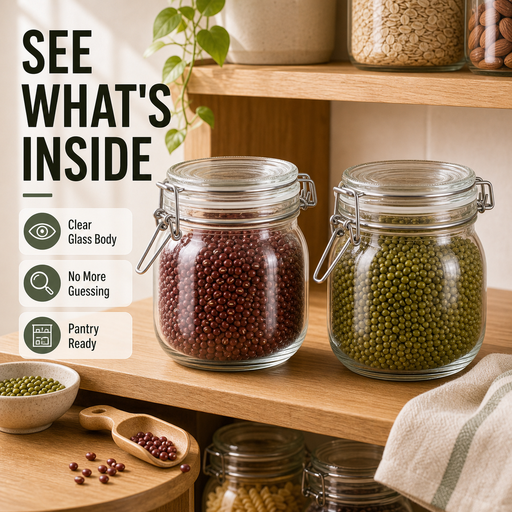
Why we love it: The focus here is on durability and a foolproof seal. Its stainless steel clip-top system, combined with a thick silicone gasket, makes it an ultra-reliable airtight glass jar for the pantry.
Key features:
Who is it for? For storage purists who demand optimal and long-lasting protection for their dry goods and are looking for an ultra-secure closing system.
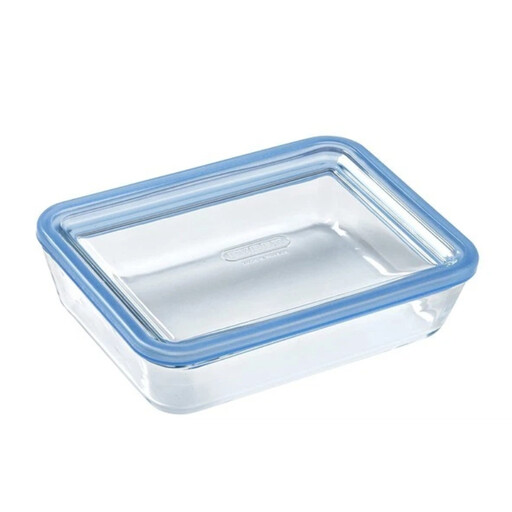
Why we love it: This is the Swiss Army knife of glass dishes. From a brand whose reputation precedes it, this glass dish with a lid is the champion of versatility: it goes from the freezer to the oven (without its lid), then straight to the table before ending up in the dishwasher. It's the ultimate ally for meal prep (or batch cooking).
Key features:
Who is it for? Essential for meal prep enthusiasts and for anyone looking for an all-in-one solution to cook, store leftovers, and reheat them with ease.
Our selection covers the most common uses, but every kitchen is unique. Whether you're looking for different sizes, round shapes, or more comprehensive sets, the possibilities are endless.
Explore our full collection to discover a wider choice of glass fridge containers and find the hidden gem that will fit perfectly into your routine.
Yes, on one non-negotiable condition: it must be made of borosilicate glass. This material is specially designed to withstand high temperatures and thermal shock. Always check the manufacturer's recommendations. Another golden rule: avoid extreme thermal shock. Never transfer a dish directly from the freezer to a preheated oven. Let it come to room temperature first. As for the lid, it should never go in the oven.
Wooden or bamboo lids are very attractive, but they require special care. Rule number one: never put them in the dishwasher or let them soak in the sink. Wash them by hand with a soft sponge and a little soap, rinse them quickly, and—crucially—dry them immediately and thoroughly with a clean cloth. This is the secret to preventing the wood from warping, cracking, or growing mould.
Absolutely. Glass is considered the safest material for food contact. Its greatest strength is that it is inert and non-porous. In practice, this means it does not leach any chemicals into your food. Unlike many plastics, it is guaranteed to be free of BPA, phthalates, or other potentially harmful compounds. Finally, it doesn't stain or absorb odours, ensuring that the taste of your food remains perfectly intact.