
Livraison le jour même ou le lendemain

Qualité garantie

Débloquez vos offres de bienvenue: Livraison GRATUITE | Jusqu'à -80 % | 30 jours d'essai gratuits à JoyPlus
Téléchargez l'application
Switching from plastic to glass containers is an increasingly popular choice for those looking to combine health, sustainability, and kitchen organisation. And for good reason: unlike plastic, glass doesn't stain, retain odours, or release potentially harmful substances when it comes into contact with food, even when hot.
With an overwhelming number of options on the market, it can be difficult to know where to start. This guide is here to bring you clarity by breaking down the essential criteria and presenting a selection of products suited for various uses, whether for storing dry goods, preparing your meals in advance (the popular meal prep), or baking in the oven.
To make an informed decision, it's essential to look at a few technical features that determine the quality and versatility of a glass food storage container.
Not all glass is created equal, especially when it comes to temperature changes. Borosilicate glass is the gold standard for food containers. Its unique composition gives it exceptional resistance to thermal shock, meaning it can go from the refrigerator to the microwave, and even into the oven (with a few precautions). Choosing a borosilicate glass jar means opting for durability and versatility, making it far superior to standard, more fragile soda-lime glass when faced with sudden temperature shifts.
To keep your food fresh longer, protect it from moisture and air, and—most importantly—avoid disasters in your bag, an airtight food container is non-negotiable. The lid's locking system is therefore a crucial point. The most reliable models are often those with clip-on lids and a removable silicone seal. They guarantee a completely leak-proof seal, whether you're keeping leftovers in the fridge, carrying your glass lunch box to the office, or storing dry goods like coffee or flour.
One of the greatest advantages of glass is its versatility. A good glass food container should be a true multi-tasker: it must go seamlessly from the refrigerator to the freezer, then to the microwave (without its lid), and ideally into the oven. A glass dish with a lid thus becomes a valuable ally for kitchen organisation: you can use it to store, freeze, reheat, and even serve directly at the table. This can significantly reduce the pile of dishes! Just remember to check the manufacturer's recommendations for maximum supported temperatures.
To put theory into practice, here are three products that perfectly illustrate these criteria, each meeting a specific need.
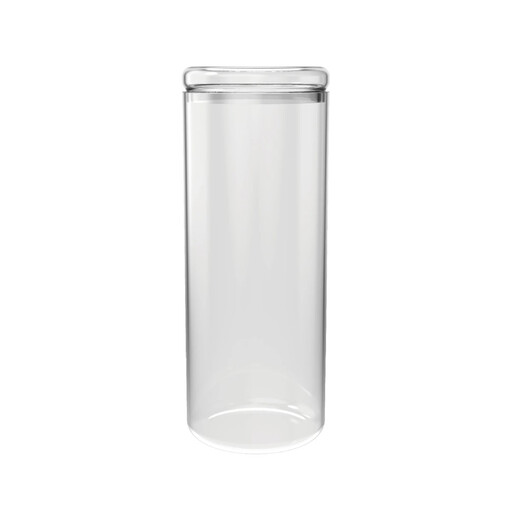
Why it stands out: This jar from the Swiss brand NUTS is designed primarily for storing dry goods. Its round, transparent design allows you to identify the contents at a glance, while adding a decorative touch to your shelves. The airtight lid is engineered to protect food from moisture and air, thus preserving its freshness and crunch.
Key features:
Who is it for? For anyone who wants to bring order to their pantry with jars that are as beautiful as they are practical, dedicated to storing dry goods.
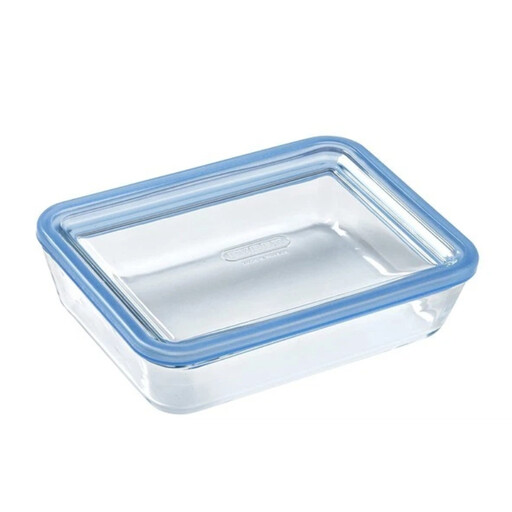
Why it stands out: PYREX needs no introduction as the benchmark in culinary glassware. This 0.8 L rectangular dish is the epitome of versatility. Made from pure borosilicate glass, it is guaranteed food-safe and PFOA-free. Its real strength: it can go from the freezer to the oven (following standard precautions against thermal shock), making it the ideal tool for meal prep.
Key features:
Who is it for? The perfect partner for meal prep enthusiasts and anyone looking for a multi-functional glass lunch box to store, reheat, and even cook their individual portions.
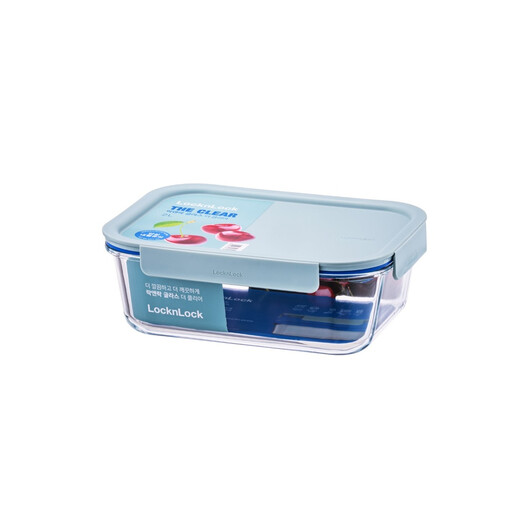
Why it stands out: This large-capacity (2-litre) container is designed for family needs or bulk storage. It is distinguished by its excellent resistance to thermal shock, able to withstand temperature differences of up to 200°C (according to the manufacturer). Its lid, featuring a removable silicone seal, guarantees a perfect seal to prevent leaks and preserve freshness.
Key features:
Who is it for? A must-have for families and meal prep pros who cook in large quantities and need a glass dish with a lid that is reliable, spacious, and robust.
Our selection highlights a few flagship models, but the world of glass containers is vast! Your final choice will depend on your habits, the size of your household, or even your preferred shape. If you're looking for different sizes or complete sets to equip your entire kitchen, many other options are available to you.
Feel free to explore our full collection of freezer-safe glass storage jars to find the model that will fit perfectly into your kitchen.
Yes, the vast majority of borosilicate glass containers are perfectly suitable for freezing. The golden rule: if you are freezing liquids (soups, sauces...), always leave 2 to 3 cm of empty space at the top of the jar. As water freezes, it expands and could shatter the glass if the container is filled to the brim.
This is one of the great benefits of glass: its non-porous surface does not retain odours or stains, unlike plastic. A simple wash with hot, soapy water or a cycle in the dishwasher is sufficient in most cases. Just remember to remove the silicone seal from the lid from time to time for a deep clean and to prevent residue from getting trapped.
Soda-lime glass is the "classic" glass found everywhere (bottles, drinking glasses, standard jars). It is cheaper to produce but does not handle thermal shock well. Borosilicate glass, on the other hand, is enriched with boron oxide. This small addition makes all the difference: it gives it spectacular resistance to temperature variations. This is why it has become the material of choice for the most versatile oven dishes and storage containers.