
Livraison le jour même ou le lendemain

Qualité garantie

Débloquez vos offres de bienvenue: Livraison GRATUITE | Jusqu'à -80 % | 30 jours d'essai gratuits à JoyPlus
Téléchargez l'application
Golden, crispy fries, airy doughnuts, and light tempura... all without that lingering smell or sacrificing quality. Sound impossible?? Not if you choose the right frying oil. It's the secret ingredient that makes all the difference. But with so many options on the shelves, how do you know which one to pick??
As the Head of Product Recommendations at Joybuy, I'm here to decode the labels for you. The goal of this guide is to give you everything you need to choose the best oil for your fryer, your recipes, and your budget, based on simple, concrete criteria.
Before you head to the store, there are three essential characteristics that set a good frying oil apart from a standard cooking oil.
The smoke point is the critical temperature at which an oil breaks down, starts to smoke, and releases harmful substances and an acrid taste. Since frying is typically done between 170?°C and 190?°C, it's crucial to choose a high-temperature oil with a smoke point above 200?°C. This is why refined oils (peanut, sunflower, rice bran, etc.) are often better suited for this purpose than virgin oils.
The taste of the oil can either enhance or, conversely, overpower your food.
That lingering frying smell that sticks around for days? It's the number one headache for home cooks. Fortunately, some oils and blends are specially designed to minimise this issue—these are the well-known low-odour frying oils. Another crucial point, for both your wallet and the environment, is reusability. A heat-stable oil can be filtered and used for several frying sessions, provided it's stored correctly and you stick to the recommended cooking temperatures.
Let's get practical with our selection of top frying oils for 2026, each with its own unique strengths.
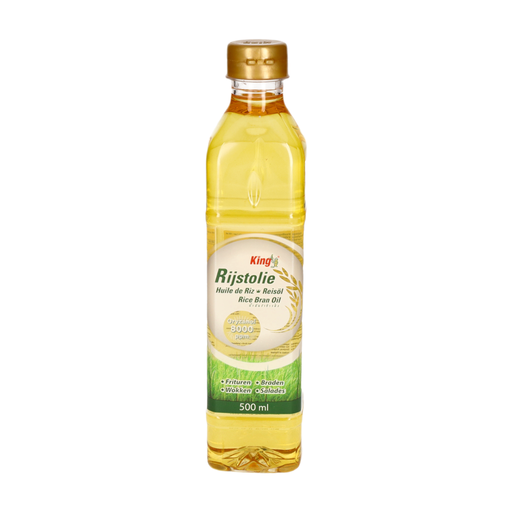
Why we love it: Less common but incredibly effective, rice bran oil is gaining popularity. 100% refined, it combines a very high smoke point with a neutral flavour, making it a true multi-purpose tool in the kitchen.
Key features:
Who is it for? For those looking for a healthy, high-performance, and ultra-versatile oil that can go from the deep fryer to the wok without ever altering the taste of the food.
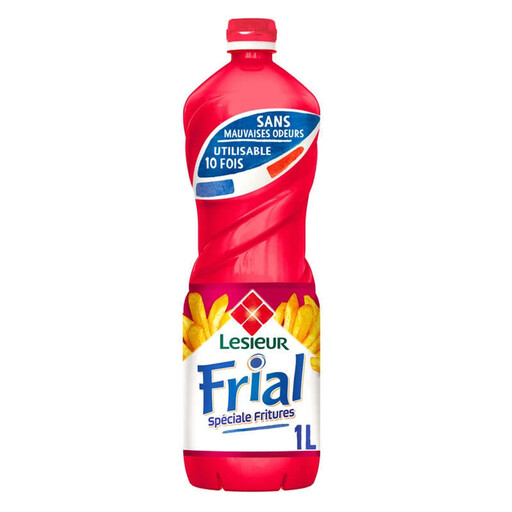
Why we love it: Frial is the superstar of frying oils. This blend of sunflower and rapeseed oils (sourced from France) was designed for one purpose: to deliver crispy fried food without the accompanying odours.
Key features:
Who is it for? For frequent fryer users who want an all-in-one, cost-effective solution that, most importantly, keeps their home smelling fresh.
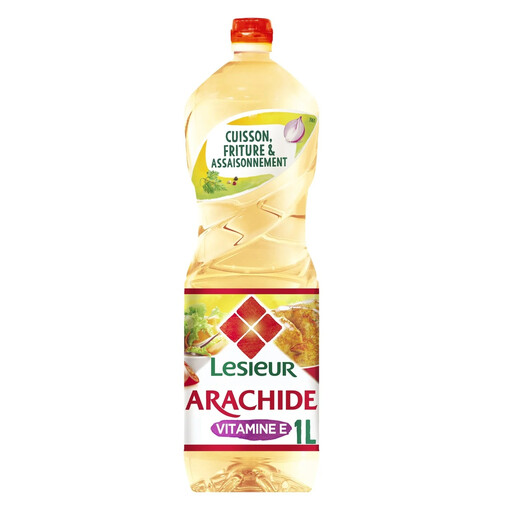
Why we love it: Peanut oil is a classic, the purist's choice. Renowned for its excellent performance at high heat, it's the traditional oil for recreating the authentic taste of chip-stand fries.
Key features:
Who is it for? For lovers of 'old-fashioned' fries seeking that unique, characteristic taste. Please note: this is a peanut-based product and is not recommended for individuals with peanut allergies.
Our selection covers three key needs: versatility, odour control, and tradition. But the world of cooking oils is much broader. If you're looking for other varieties or different sizes, our full catalogue is here for you.
? Explore our full range of cooking oils
There's no one-size-fits-all answer, as moderation is key. However, for frying, opt for oils rich in monounsaturated fatty acids that are stable at high heat, such as high-oleic sunflower oil, rapeseed oil, or rice bran oil. The most important thing is to never let the oil smoke and to change it regularly.
Yes, most frying oils can be used several times. To do so, let it cool completely, filter it (using a coffee filter or a fine-mesh sieve/cheesecloth) to remove all food particles, and then store it in an airtight container away from light. Oils like Lesieur's Frial are specifically designed to be reused up to 10 times. Discard the oil as soon as it darkens, thickens, or smells rancid.
Most importantly, never pour used oil down the sink or toilet! It clogs pipes and pollutes water treatment systems. The best practice is to let it cool, pour it back into its original container or a sealed plastic bottle, and take it to a local recycling centre or waste disposal site. Specialised collection points are becoming increasingly common.