
Livraison le jour même ou le lendemain

Qualité garantie

Débloquez vos offres de bienvenue: Livraison GRATUITE | Jusqu'à -80 % | 30 jours d'essai gratuits à JoyPlus
Téléchargez l'application
Craving the flavours of a great Asian restaurant without leaving your kitchen?? Good news: the frozen food aisle is packed with hidden gems for whipping up a delicious meal in minutes. The shrimp dumpling is the undisputed star, but with gyoza, ha kao, and other dim sum to choose from, making a decision can be tough.
This guide is here to help you decode the labels, understand the differences, and choose the perfect frozen shrimp dumpling for you—whether you're a fan of the crispy texture of a shrimp gyoza or the tender bite of a ha kao.
To make the perfect choice, here are the key criteria to check before you head to the checkout.
The general term "Asian dumpling" actually covers a multitude of specialities. To get a clearer picture, here are the essentials?:
Your first step: take a look at the ingredients list. The shrimp percentage is the number one criterion. The higher it is, the better the flavour and texture will be. The presence of vegetables like bamboo shoots, cabbage, or mushrooms is a bonus that can add complexity. Finally, the wrapper's composition (wheat flour, starch, etc.) will determine the final mouthfeel.
It all comes down to your taste and your equipment. If you like to mix things up, opt for versatile dumplings that can be pan-fried, boiled, or steamed. On the other hand, if you swear by traditional steaming for your shrimp dim sum, a dedicated product like ha kao will yield much better results.
We've sifted through the frozen food aisle to bring you three products that stand out from the crowd, each with its own distinct personality. It's up to you to pick the one that catches your eye.
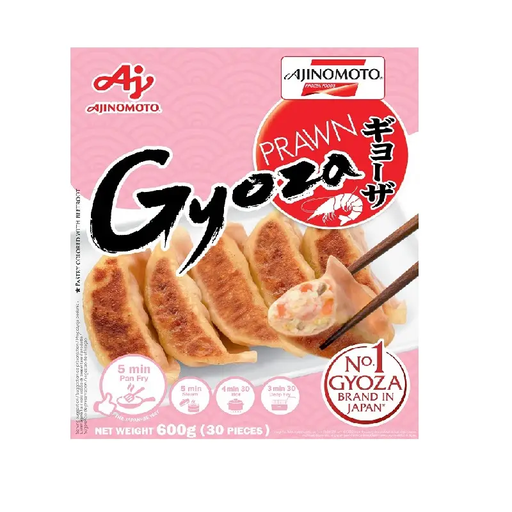
Editor's Pick
Ajinomoto is a trusted name in Asian cuisine, and these gyoza do not disappoint. The filling balances 21% shrimp with a mix of crunchy vegetables (cabbage, carrots), all perfectly seasoned with sesame oil and spices. You get the authentic taste of Japanese gyoza.
Highlights
Who is it for?
For those who want to recreate the authentic experience of a Japanese shrimp gyoza, with its signature texture. A reliable choice that's just as good as an appetiser as it is a main course.
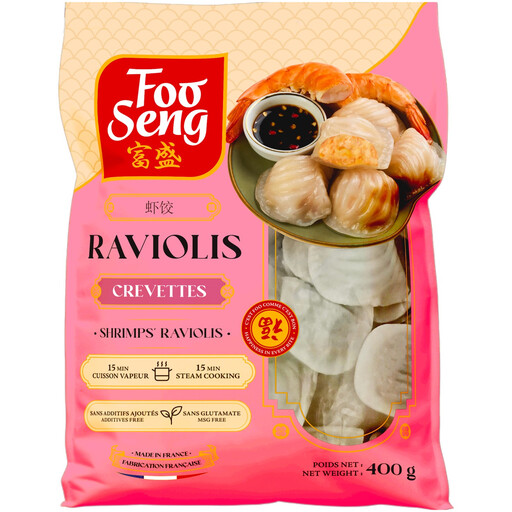
Editor's Pick
This ha kao from the French brand Foo Seng is all about the filling, boasting an excellent 37.2% shrimp content. The recipe stays true to tradition, incorporating bamboo shoots for a bit of crunch. When cooked, the wheat starch-based wrapper becomes translucent, beautifully revealing the filling inside.
Highlights
Who is it for?
For Cantonese cuisine purists seeking the delicate, tender texture of a true ha kao. The perfect choice for a proper, traditional steaming.
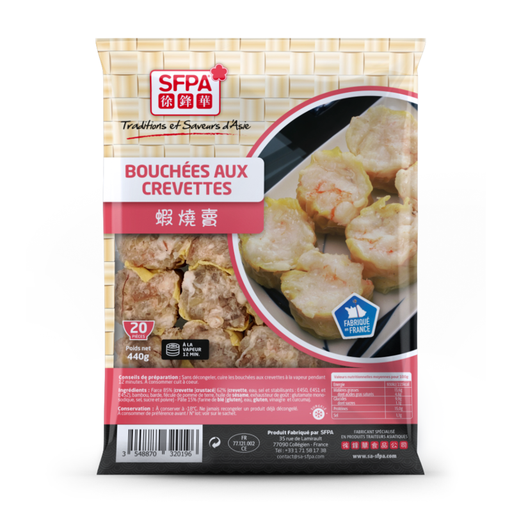
Editor's Pick
Here, they don't mess around with the filling?! These bites boast a record-breaking 58% shrimp content. Such a high concentration guarantees an explosive seafood flavour and an incredibly generous texture. The Cantonese-style recipe (Ha Mai) is enhanced with bamboo shoots and a touch of pork fat for an unmatched tenderness.
Highlights
Who is it for?
For food lovers who want the taste of shrimp above all else?! If you're looking for a steamed shrimp dumpling with a generous bite and a powerful flavour, go for it.
Our selection is just a taste of what the world of Asian dumplings has to offer. Crispy spring rolls, fried bites, siu mai... If you want to explore other flavours, our range of frozen shrimp snacks is waiting for you.
? Explore Our Full Range of Frozen Shrimp Snacks
It's very simple, and best of all, no thawing required?! Here are the three main methods?:
Soy sauce is a timeless classic. To spice it up a bit, add a splash of rice vinegar and a few drops of sesame oil. Sweet chili sauces or a simple soy sauce with freshly grated ginger also work wonderfully.
It's all in the wrapper and the cooking method?! The gyoza has an opaque wheat-based wrapper and is typically pan-fried for a crispy bottom. The ha kao, on the other hand, has a starch-based wrapper that becomes translucent and elastic when steamed, revealing its generous shrimp filling.