Dough enthusiasts
You care about the type of dough, the fermentation process claimed or the ‘stone-baked’ label, and can follow the cooking instructions for your chosen pizza in the oven.


For a winter meal, start by deciding what matters most at the table: a dough-making process that interests you, a topping to suit your guests, or a format that’s easy to share. Labels such as ‘premium’ or ‘stone-baked’ don’t guarantee the same result in your oven. Compare the exact recipe, allergen information, weight and cooking instructions.
You care about the type of dough, the fermentation process claimed or the ‘stone-baked’ label, and can follow the cooking instructions for your chosen pizza in the oven.
You’re deciding between a large pizza, a family-sized option and mini pizzas. The weight, number of pieces and recipes should suit how you plan to serve the meal.
You check the ingredients, allergens and toppings of each pizza before serving it, particularly when guests avoid certain ingredients.
First decide whether the dough, serving several people or the ingredients will guide your choice. Then check that you can prepare and serve your chosen pizza in the way you’ve planned for your meal.
| Criteria | What to check | Who might prioritise it? |
|---|---|---|
| Dough and cooking | Type of dough and claimed process; temperature and cooking method shown on the packaging. | If the dough matters more to me than the topping, I want to be able to follow the recommended cooking instructions in my oven. Around 33% of consumers would make this their priority. |
| Sharing format | Net weight, number of pieces and how you plan to serve it, with or without accompaniments. | When hosting several guests, I want an amount and format that are easy to serve, rather than estimating portions from the weight alone. Around 25% of consumers would prioritise sharing. |
| Recipe and allergens | Ingredients list, allergens and nutritional information for the exact product. | When guests don’t all eat the same ingredients, I need to check the topping before choosing. Around 25% of consumers would put ingredients first. |
| Local availability | Whether the product is available at your chosen shop or through your preferred collection option. | If the meal is already planned, I want to know whether the pizza I’ve chosen is available where I shop. Around 17% of consumers would make this a priority. |
On its own, this term doesn’t tell you about the dough, the amount of topping or the result after cooking. Recipes can also vary within the same range.
Compare the details for the exact pizza: dough, ingredients, allergens, weight and cooking instructions.
A large pizza and a box of mini pizzas can weigh a similar amount but suit different meals.
Plan how you want to serve it, then check the net weight and number of pieces.
A topping’s name doesn’t tell you all of its ingredients or whether it may contain traces of allergens.
Read the label on the product you’re buying, especially if a guest needs to avoid an ingredient.
A break in the cold chain can make a product unsafe to eat, according to the Ministry of the Economy.
The DGCCRF advises buying frozen food last, keeping transport time to a minimum and preferably using an insulated bag before putting it away in the freezer as soon as possible.
The Suprema range may appeal if you want to compare the dough-making processes described by the manufacturer. Auchan, for example, describes a 424 g pizza made with triple-fermented dough and baked in a stone oven at 400 °C during production.
The 570 g Grandiosa 4 Formaggi listed by Uber Eats France and the Piccolinis mini pizzas featured by Buitoni offer two different ways to share.
Carrefour France offers several stone-baked frozen pizza recipes, including 4 Stagioni and Royale.
Auchan’s stone-baked pizzas come with a range of toppings. The product information for its 380 g goat’s cheese pizza gives oven cooking instructions.
E.Leclerc lists, among other options, a 400 g Turini ham and cheese pizza with thin crust and a 570 g family-sized Turini four-cheese pizza.
These options cover a few different choices for a winter meal: a pizza that highlights its dough, one designed for sharing, or mini pizzas. Compare the recipes and formats without assuming that a cooking claim will mean the same result for every pizza.
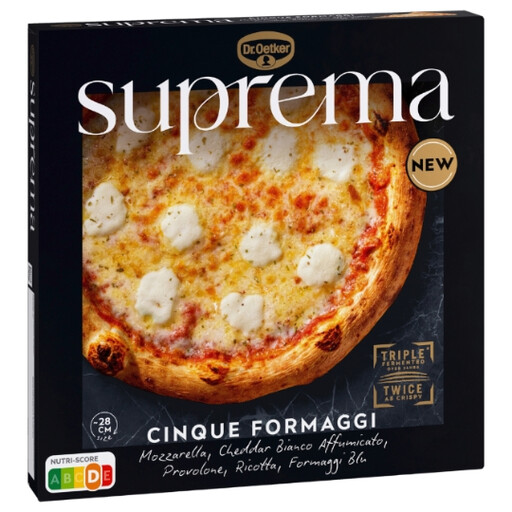 Image unavailable
Worth considering if the dough-making process described is important to your choice. Auchan describes the 424 g Suprema five-cheese pizza as triple-fermented and stone-baked during production. Follow the packaging instructions when cooking it at home.
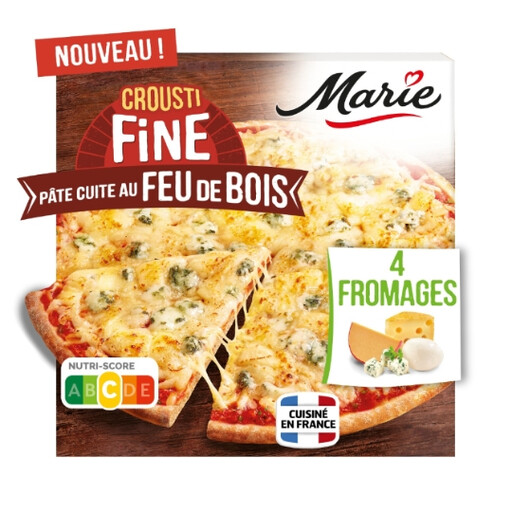 Image unavailable
An option to compare if you’re looking for a thin crust and a four-cheese recipe. Check the packaging for allergen information and the cooking instructions for this pizza.
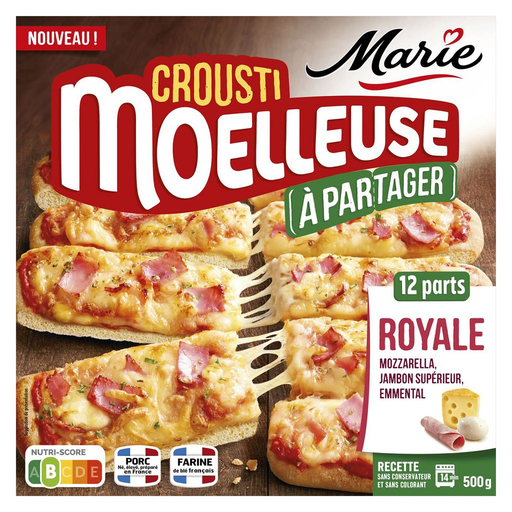 Image unavailable
The sharing format may suit a meal for several people, but the 500 g weight alone doesn’t determine the number of portions. If any guests avoid pork, milk or celery, check the ingredients for the product you’re buying.
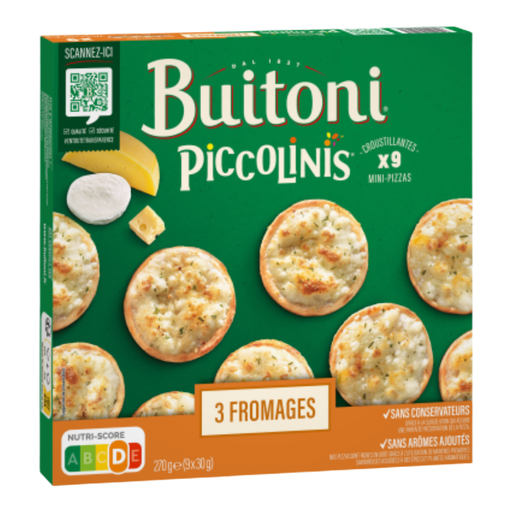 Image unavailable
This pack of nine is handy for sharing, rather than serving one large pizza to slice up. Plan the quantity according to your guests and check the allergen information on the box.
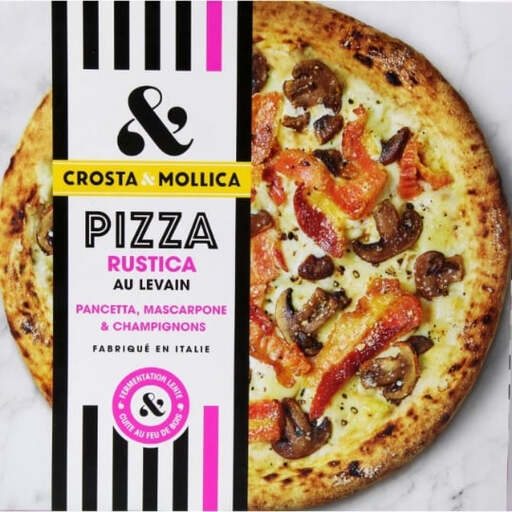 Image unavailable
Worth comparing if you’re looking for a 444 g pizza for an oven-cooked meal. Check the ingredients if a guest avoids pork, and follow the cooking instructions for this specific product.
No. This label describes a claimed process; it doesn’t mean every pizza will be the same quality or turn out the same way in your oven. Also compare the dough, topping, allergens and instructions for the exact product.
Follow the cooking method shown for the pizza you’ve bought. Auchan strongly advises against microwaving its stone-baked chorizo pizza; don’t substitute the instructions for another product.
Read the ingredients and allergen information for each recipe before serving it. The Carrefour and Auchan product details mentioned here show that ingredients and possible traces vary between pizzas. A name such as ‘four cheese’ isn’t enough to establish whether it’s suitable for everyone.
Keep the time between buying the pizza and putting it in the freezer to a minimum. The DGCCRF recommends buying frozen food last and preferably using an insulated bag. Then store it at the temperature shown on the packaging.