
Livraison le jour même ou le lendemain

Qualité garantie

Débloquez vos offres de bienvenue: Livraison GRATUITE | Jusqu'à -80 % | 30 jours d'essai gratuits à JoyPlus
Téléchargez l'application
Ever get that sudden craving for Korean fried chicken—ultra-crispy and coated in an addictive sauce? You're not alone. A true star of Seoul's street food scene, this dish has taken the world by storm. The problem? Making it at home can quickly turn into a headache: the double-frying, the homemade sauce, the endless ingredient list...
Fortunately, a simple solution exists to enjoy this treat without spending hours in the kitchen: frozen Korean chicken. This guide is here to help you navigate the options and find that hidden gem that will turn your dinner into a gourmet getaway to Seoul, all without leaving your home.
Just a few criteria are all you need to make the right choice. The goal isn't to find the "perfect" product, but the one that truly matches your tastes and current cravings.
The sauce is the soul of Korean fried chicken. There are two main families:
The secret to crispy Korean chicken? A double-frying process that gives it that signature crunch. The good news is that frozen products are pre-cooked to preserve this texture. For the best results at home, opt for baking in the oven or, even better, using an air fryer. Both methods reheat the chicken perfectly while enhancing its crispiness, all without adding extra oil.
Most ready-to-cook Korean meals feature boneless chicken. This is a huge plus for convenience: it's easier and faster to eat, perfect for a quick meal, an appetizer spread, or for kids. The pieces are typically from the thigh, a cut known for being incredibly tender.
Here are our favorite products, selected for their high-quality ingredients and flavors that stay true to authentic recipes.
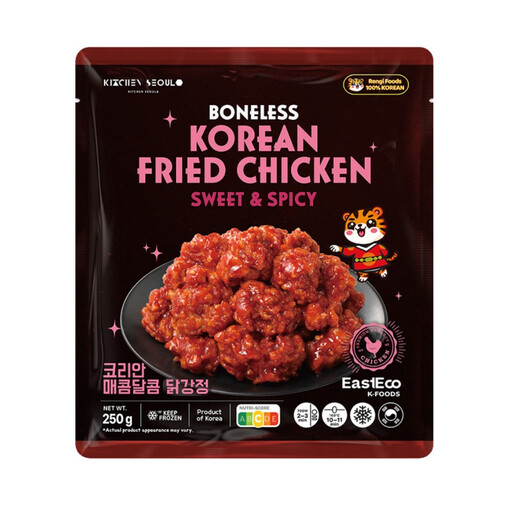
The Promise
This product is the archetype of yangnyeom chicken. The generous sauce is designed for a perfect balance of sweet, sour, and spicy. The boneless chicken pieces are coated in a batter engineered to stay crispy after cooking.
Why We Love It
Who is it for?
For flavor enthusiasts looking for the true, bold, and authentic taste of spicy Korean chicken in a quick, single-serving format.
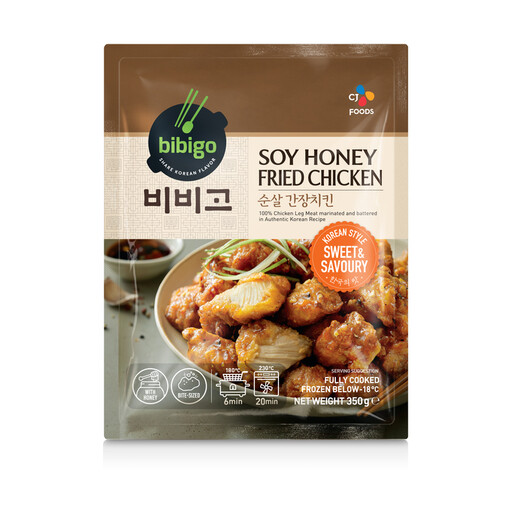
The Promise
Bibigo is a benchmark brand in the world of Korean cuisine. This soy and honey sauce version is an ideal entry point into Korean fried chicken. The umami-rich sauce is flavorful without being spicy, making it accessible to everyone.
Why We Love It
Who is it for?
Perfect for families or anyone who prefers mild yet characterful flavors. It's the smart choice that will please everyone, ideal for first-time tasters.
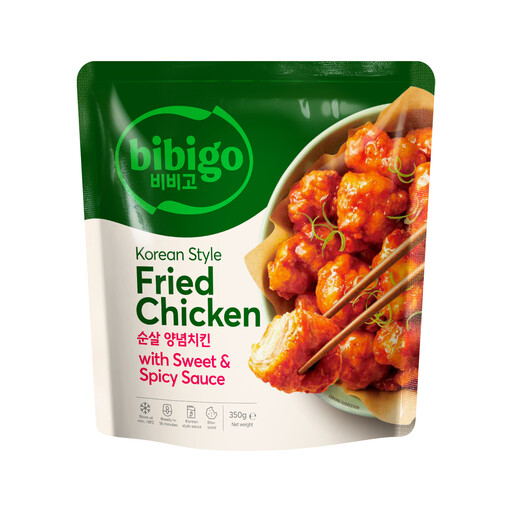
The Promise
Bibigo also offers its take on the classic yangnyeom chicken. The sauce, made with chili paste, ketchup, and honey, delivers a complex flavor profile. Here, the brand focuses on a perfectly mastered balance between spicy and sweet.
Why We Love It
Who is it for?
For those who love spicy Korean chicken and trust a brand known for its well-balanced flavors.
Fried chicken is just one gateway to the richness of Korean cuisine. Want to explore other flavors? From mandu (dumplings) to tteokbokki (rice cakes), there's no shortage of options to mix things up.
Explore our full selection of frozen Korean meals to find your next favorite.
1. How do I get my frozen fried chicken TRULY crispy? The secret is the air fryer! Cook for 15-20 minutes at 180°C (350°F), flipping the pieces halfway through for a perfect result. No air fryer? The oven is an excellent alternative—just place the chicken on a wire rack so the air can circulate. Above all, avoid the microwave: it will completely ruin the crispiness.
2. What should I serve with Korean fried chicken? Traditionally, it's served with a bowl of plain white rice to balance out the intense flavors. Also consider banchan (Korean side dishes) like kimchi or pickled yellow radish (danmuji) for a welcome touch of freshness and acidity.
3. Korean fried chicken vs. classic fried chicken: what's the difference? It's all in the details! The Korean batter is often thinner and incredibly crispier, thanks to a mix of flours (sometimes with starch or rice flour) and the famous double-frying technique. Most importantly, Korean fried chicken is almost always coated in a sauce after cooking, whereas it's just an option for its Western counterpart.