
Livraison le jour même ou le lendemain

Qualité garantie

Débloquez vos offres de bienvenue: Livraison GRATUITE | Jusqu'à -80 % | 30 jours d'essai gratuits à JoyPlus
Téléchargez l'application
Enjoying an authentic Chinese steamed bun at home can sometimes be a real challenge. Between searching for the perfect Asian deli and the fear of being disappointed by the quality, it's easy to give up. Fortunately, a good frozen bao is the ideal solution for savouring these little marvels without ever leaving your kitchen.
I'm Joybuy's curator of culinary gems, and my mission is to guide you through the vast world of Asian flavours. This guide presents our selection of baozi (the official name for these buns) and gives you all the keys to making the right choice, whether you're a frozen dim sum aficionado or simply curious and looking for new tastes.
Before diving into our selection, let's review the essential criteria for finding the steamed bun that will win you over.
The filling is what gives the bao its soul. There are two main categories?:
The quality of the bun is just as crucial as its filling. A successful dough should be soft, fluffy, and just elastic enough after steaming. A quick look at the ingredients list is often revealing?: a simple recipe (wheat flour, water, yeast) is usually a sign of authenticity. More original doughs, coloured with bamboo charcoal or vegetable juice, add a surprising visual touch.
Frozen baos come in various sizes. Family packs, which are more budget-friendly, are perfect for large gatherings. Smaller packages are ideal for a solo tasting or for trying a new flavour. Also, remember to check the cooking time?: most baos are ready in 8 to 10 minutes when steamed, making them the ultimate quick meal.
Here are our top picks, selected for the quality of their ingredients and their commitment to authentic flavours.
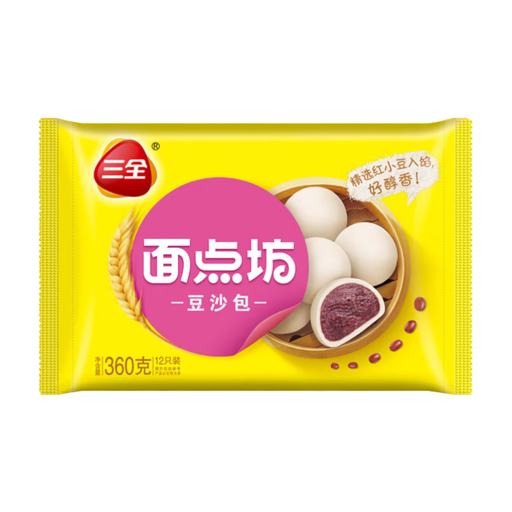
Why we love it?: This is the archetype of the traditional sweet bao. Its pristine white, incredibly soft dough encloses a generous and smooth filling made from real red beans. The balance between sweetness and natural flavour is simply perfect.
Key features?:
Who is it for?? For lovers of traditional Asian desserts, families looking for a healthy and comforting snack, and anyone wanting a gentle introduction to Chinese pastries.
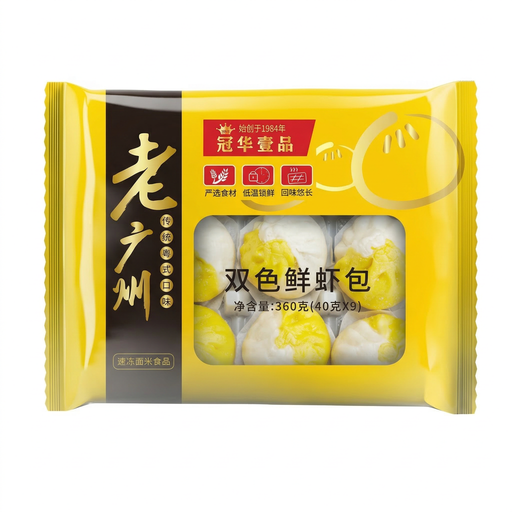
Why we love it?: This shrimp bao stands out with its two-tone dough (coloured with spinach and carrot juice) and its ultra-generous filling, which contains 30?% shrimp. A perfect marriage of visual appeal and savoury seafood flavours.
Key features?:
Who is it for?? For seafood fans, those who appreciate beautiful presentation, and anyone looking for a light and refined savoury bao.
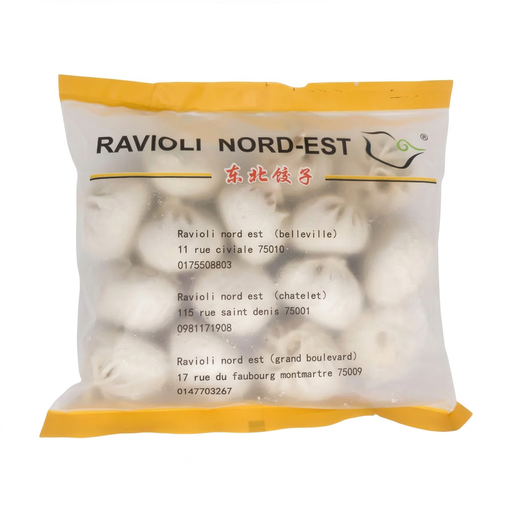
Why we love it?: With its incredibly juicy filling, this pork bao is inspired by the famous xiaolongbao. The combination of minced pork and fresh scallions, nestled in a delicate dough, is a true explosion of flavour.
Key features?:
Who is it for?? For purists seeking the authentic taste of a savoury Chinese steamed bun and lovers of generous, juicy fillings.

Why we love it?: This is the star of modern dim sum, a pure indulgence that's as surprising as it is trendy. Its black bamboo charcoal dough hides a molten centre of salted egg yolk custard (liu sha). A completely addictive sweet and savoury balance.
Key features?:
Who is it for?? For adventurous foodies, fans of sweet and savoury, and anyone who wants to wow their guests with a spectacular dessert.
A successful dim sum meal is also about the atmosphere. To accompany your tasting, nothing beats a quality tea. And for total immersion, our elegant [bamboo mugs] are the perfect companions for your steamed buns.
1. How do you cook a frozen bao without a steamer basket?? No steamer basket?? No problem. Take a large pot and a metal colander. Pour a few centimetres of water into the pot, bring it to a boil, then place the baos in the colander, making sure they don't touch the water. Cover and cook for the indicated time. Pro tip?: lightly oil the colander or line it with baking paper to prevent the baos from sticking.
2. What's the difference between a bao and a baozi?? The two terms are often used interchangeably. To be precise, baozi (包子) is the official Mandarin name for a filled, steamed bun. Bao (包), which means "package" or "wrap", is simply its shortened form, which has become very popular in the West.
3. Can you reheat baos in the microwave?? Steaming is the golden rule for achieving a soft and fluffy texture. The microwave, on the other hand, tends to dry out the dough and make it rubbery. In an absolute emergency, you can try wrapping the bao in a damp paper towel and heating it in 30-second intervals, but the result will be far less satisfying.