
Livraison le jour même ou le lendemain

Qualité garantie

Débloquez vos offres de bienvenue: Livraison GRATUITE | Jusqu'à -80 % | 30 jours d'essai gratuits à JoyPlus
Téléchargez l'application
Keeping food fresh longer, organising your fridge effortlessly, and prepping your meals for the week ahead: it's a real daily challenge. Between the threat of food waste and the chaos that can take over our cupboards, finding the right storage solution often turns into a headache. However, a good food storage container is the essential partner for preserving flavours, optimising every corner of your kitchen, and simplifying your life.
As the head of product selection at Joybuy, my mission is to cut through the market noise for you. This guide offers our practical advice and a selection of tested and approved products to help you make the right choice, without all the unnecessary marketing jargon.
Before diving into our top picks, let's review the key criteria for finding the perfect food container that will seamlessly fit your needs.
The choice of material is critical: it determines your container's lifespan, how easy it is to clean, and the types of food you can store in it.
An airtight container is non-negotiable for preventing leaks and protecting food from air and moisture, thereby extending its shelf life. Opt for lids with silicone seals and strong locking clips. Design also matters: a stackable shape is a real asset for saving precious space in your cupboards and your refrigerator.
Think about your actual needs. Do you need small containers for sauces and snacks? Large ones for dinner leftovers? Or a meal prep container format to take to the office? A set of food storage containers in various sizes is often the most versatile solution for optimised kitchen storage.
We've selected models that cater to a variety of needs, from meticulous organisation to everyday versatility.
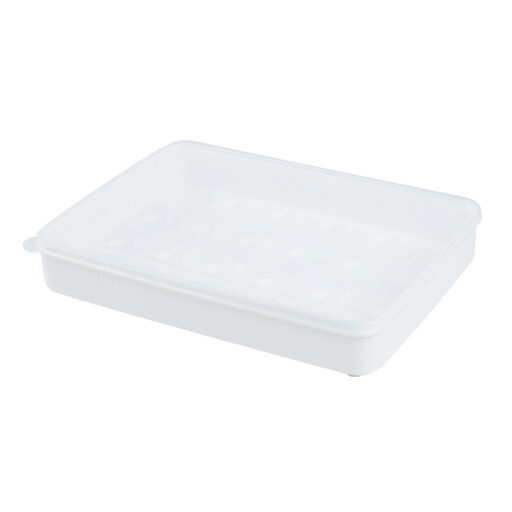
Why it stands out: This ingenious solution tackles a well-known problem: storing eggs safely. The set of three boxes offers a very large storage capacity, ideal for large families or those who buy their eggs in bulk.
Advantages:
Who is it for? For families who consume a lot of eggs, chicken owners, or simply anyone who loves a perfectly organised fridge. An egg box that is as simple as it is functional.
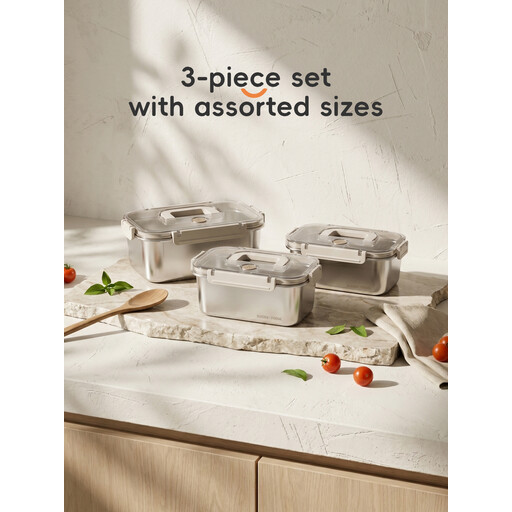
Why it stands out: This set focuses on the robustness and hygiene of food-grade 304 stainless steel. It's the perfect alternative to plastic, designed for those who prioritise healthy and durable materials for their lunch box.
Advantages:
Who is it for? For anyone looking for a plastic-free storage solution that is both durable and versatile. An excellent choice for everyday use, from fridge storage to a take-away lunch.
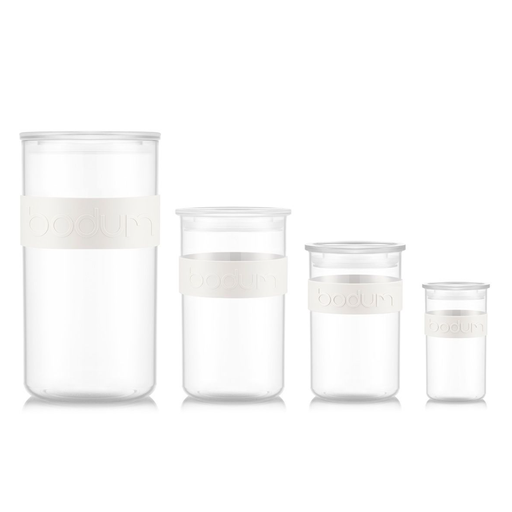
Why it stands out: This food storage container set is the turnkey solution for those who want to standardise and organise their entire kitchen. With 12 pieces in four different sizes, it covers almost every storage need.
Advantages:
Who is it for? Ideal for families, those moving into a new home, or anyone who simply wants to start from scratch with a cohesive and effective storage solution for the pantry and fridge.
Every kitchen is unique. If our suggestions don't exactly match what you're looking for, or if you want to explore more solutions for harmonious storage, discover our complete selection of white storage organisers.
1. What's the difference between a plastic and a stainless steel container? The main difference lies in durability and hygiene. A stainless steel food container is more robust, doesn't stain, and retains no odours. Plastic, provided it is BPA-free, is lighter and often cheaper, but can degrade over time. Most importantly, stainless steel should never go in the microwave, unlike some plastics.
2. How can I be sure a container is truly airtight? A proper airtight container can be identified by its lid, which should have a silicone seal and a solid locking system (like clips on all four sides). The foolproof way to test it? Fill it with water, close it, and turn it upside down. Not a single drop should escape.
3. Can all food storage containers be put in the microwave? Absolutely not! It is imperative to always check the manufacturer's instructions. Stainless steel containers must never go in the microwave. For plastic, only containers with the appropriate symbol (often small waves) are compatible. In any case, remember to slightly open the lid or valve to let steam escape during heating.