
Livraison le jour même ou le lendemain

Qualité garantie

Débloquez vos offres de bienvenue: Livraison GRATUITE | Jusqu'à -80 % | 30 jours d'essai gratuits à JoyPlus
Téléchargez l'application
Rushed lunches at your desk, leftovers spoiling in the back of the fridge, chaos in your cupboards… Sound familiar?? A good food storage container is the simplest solution to these daily hassles. It does more than just keep your food fresh?: it helps you plan your meals, reduce waste, and optimise every corner of your kitchen.
But with an overwhelming number of options, how do you find the right one?? This guide is here to help, with practical advice and a selection of the best products available today. Our goal?: to help you find the perfect containers for your needs, whether it's for an office lunch box, meal prep sessions, or simply better fridge organisation.
Before we get to our top picks, let's review the key criteria for making the right choice based on your habits and current standards.
The choice of material determines your container's use, maintenance, and lifespan.
Think about how you'll use them day-to-day.
Let's move on to our selection. Here are a few products that cater to different needs, from home storage to on-the-go lunches.
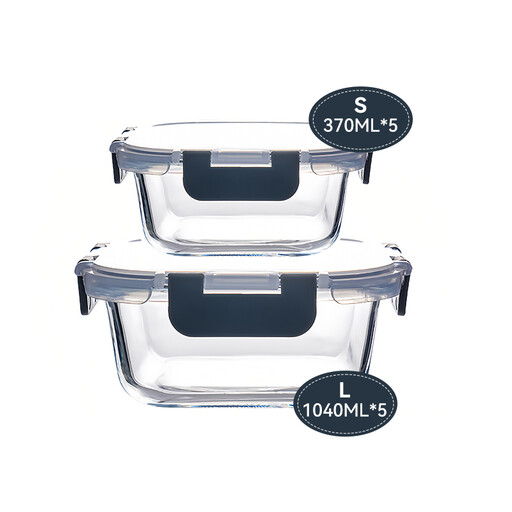
Why it stands out
This comprehensive set is the perfect foundation for anyone looking to equip their kitchen with durable, versatile containers. Its high-resistance borosilicate glass withstands extreme temperatures, from the freezer to the oven (without the lid). It's the perfect partner for baking, storing, and reheating. The set includes two very practical sizes (1040?ml and 370?ml), ideal for main dishes as well as small portions or sauces.
Key features
Who is it for??
Ideal for meal prep enthusiasts looking for reliable containers for the whole week. It's also an excellent choice for families wanting to swap their old plastic containers for a healthier, more durable glass solution for fridge organisation.
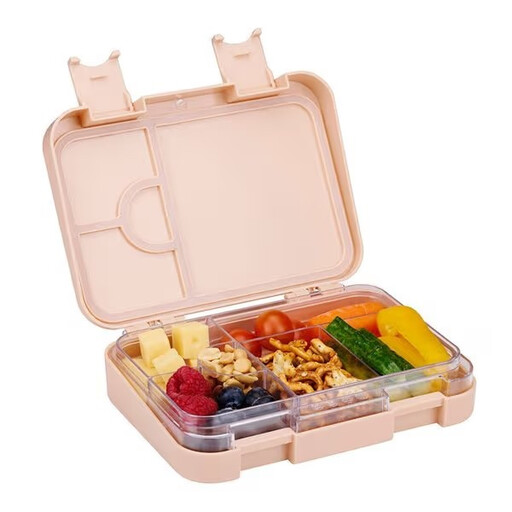
Why it stands out
This compartmentalised lunch box is designed for on-the-go lunches and varied meals. Thanks to its 6 compartments, you can pack a complete meal without flavours and textures mixing. Its clever design makes portion control easy and encourages a diverse plate.
Key features
Who is it for??
Perfect for professionals, students, or parents preparing packed lunches. This adult bento box is the ideal option for those who like to create a varied meal without the foods mixing. Please note, this model is not microwave-safe.
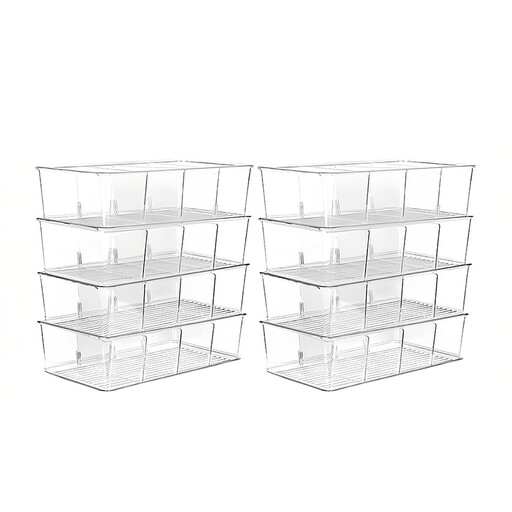
Why it stands out
Note: this isn't a classic food storage container, but a true kitchen organisation system. Made from transparent PET plastic, this set of 8 open-top bins is specifically designed to bring order to your cupboards, pantry, or refrigerator. It's perfect for grouping and instantly seeing all your small, everyday items.
Key features
Who is it for??
For anyone who dreams of decluttering and streamlining their storage. It's the ideal solution to put an end to half-empty packets and items lost in the back of cupboards.
Every household has unique storage needs. Sometimes you need a flat container for a slice of pie, or a tiny pot for salad dressing.
If our selection doesn't quite meet your needs, feel free to explore other options. To find the perfect format for your daily routine, discover our full range of flat plastic food containers with lids.
1. Can all food storage containers go in the microwave??
No, it's essential to always check the manufacturer's recommendations. As a general rule, borosilicate glass is microwave-safe (often without the lid). For plastic, look for the symbol that explicitly allows it. Some plastics can warp or release substances when heated. The Alpina box in our selection, for example, is not compatible.
2. How can I prevent odours and stains on plastic containers??
To limit stubborn stains and lingering odours, rinse your container immediately after use. Avoid storing highly pigmented or greasy foods (like curry, tomato sauce, etc.) in them for too long. For a deep clean, a mixture of baking soda and warm water works wonders to neutralise stubborn odours.
3. Is glass a healthier option than plastic??
Glass is an inert, non-porous material. In practical terms, this means there's no risk of chemicals leaching into your food, and it won't absorb odours or bacteria. Food-grade plastics sold in the EU are subject to very strict regulations that guarantee their safety, including the ban of BPA for many products. The choice therefore depends on the use case?: glass is often preferred for cooking and long-term storage, while plastic remains unbeatable for its lightness and durability during transport.