
Livraison le jour même ou le lendemain

Qualité garantie

Débloquez vos offres de bienvenue: Livraison GRATUITE | Jusqu'à -80 % | 30 jours d'essai gratuits à JoyPlus
Téléchargez l'application
A well-organized kitchen and food that stays fresh longer?: that's the promise of food storage containers. However, between warped lids, stained materials, and questionable seals, disappointment is often part of the experience. As the Head of Product Recommendations at Joybuy, I'm here to help you navigate the options and find the solutions that are truly right for your daily needs.
Before you make a decision, let's review the most frequent issues so you can avoid them.
airtight food container leaking in your bag? A classic scenario. The culprit is often a poor-quality silicone gasket or a clip system that loses its effectiveness after just a few uses.To avoid these disappointments, a few key technical points can make all the difference. Here they are.
The choice of material directly impacts the durability, hygiene, and versatility of your containers.
glass storage container?: Typically made of borosilicate glass, it handles thermal shock well, doesn't retain odours or stains, and its contents are visible at a glance. It's the ultimate healthy and durable option, perfect for reheating meals in the microwave (without the lid).stainless steel container?: Lightweight, virtually unbreakable, and perfectly hygienic, stainless steel (look for 304 or 316L grades) is an excellent choice for a lunch box or for freezing. It's impact-resistant and retains absolutely no odours.A container is only truly airtight if its lid and gasket are flawless. The winning combination? A lid with four locking clips and a removable silicone gasket. This last point is crucial: a removable gasket is much easier to clean, which helps prevent mould growth.
Think about long-term practicality. Investing in a set of food storage containers from the same product line is often a smart move. The containers are designed to nest or stack perfectly, saving considerable space in your cupboards and refrigerator.
Instead of an endless list, here are three options that tick all the boxes, each tailored to a specific user profile.
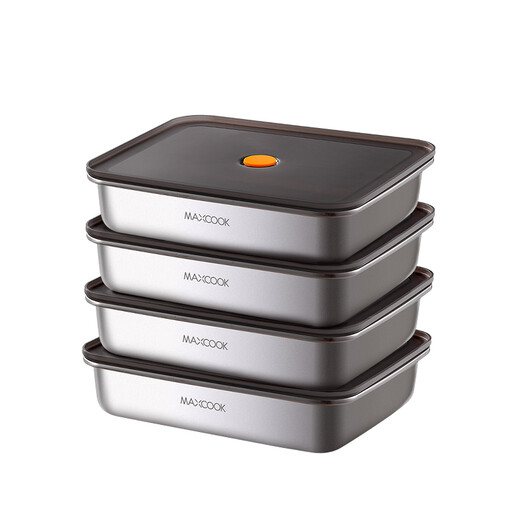
Why we chose it: This set of four identical 1.6L containers is perfect for prepping your meals for the week. The 316L stainless steel is sturdy, hygienic, and lightweight, making it ideal for transporting your lunch without fear of breakage.
Stainless steel doesn't stain or retain any odours, unlike lower-quality plastics. No more containers that smell like curry for weeks!
316L stainless steel offers superior corrosion resistance: a true guarantee of durability and food safety. It goes into the freezer and dishwasher without any issues.
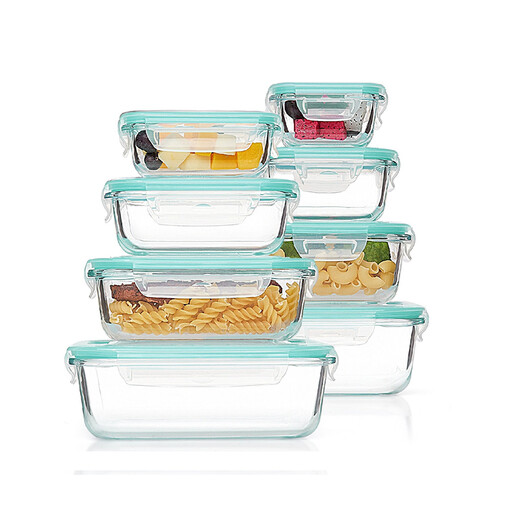
Why we chose it: This comprehensive 8-piece set offers a wide range of sizes (from 150 ml to 1.04 L). It covers every need: storing leftover sauce, packing a salad, or holding baby food portions or a family-sized meal.
The modular and stackable design of this set puts an end to cupboard clutter. Every container has its place, finally optimizing your storage space.
Borosilicate glass is non-porous and ultra-hygienic. It goes from the refrigerator to the microwave without skipping a beat and is easy to clean in the dishwasher, never retaining any odours.
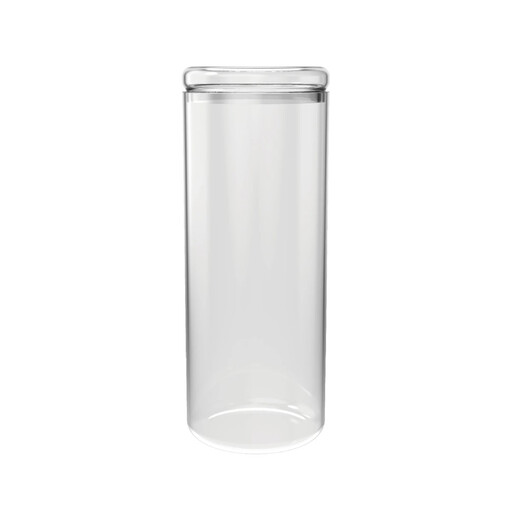
Why we chose it: This `airtight jar` is perfect for storing dry goods (pasta, rice, coffee, cereal). Its clean, transparent design enhances kitchen shelves while allowing you to identify the contents at a glance.
Its airtight lid effectively protects against moisture and air. No more dry goods going soft or losing their flavour—a common flaw in purely decorative jars.
NUTS is a Swiss brand committed to creating sustainable, plastic-free products. A choice that combines aesthetics, functionality, and a responsible approach.
We have curated a complete selection of products that meet our selection criteria and current safety standards.
1. Can borosilicate glass containers really go from the refrigerator to the microwave? Yes, borosilicate glass is specifically designed to withstand thermal shock. However, it's best to avoid extreme temperature changes (like moving a container directly from the freezer to a preheated oven). Letting the container rest for a few minutes at room temperature is a good habit to ensure its longevity.
2. How do I properly maintain stainless steel containers to avoid marks? Stainless steel is very easy to maintain. Washing with hot water and a mild dish soap is usually sufficient. To remove limescale marks, a cloth soaked in a mixture of water and white vinegar will work wonders. Just avoid abrasive sponges that could scratch the surface, and be sure to dry your containers thoroughly after washing.
3. Is buying a set of food storage containers more cost-effective? Most of the time, yes. Buying a set of food storage containers not only gives you a better price per unit but also ensures you have a coherent and perfectly stackable storage system from the start. It's a small initial investment that greatly simplifies daily kitchen organization.