
Livraison le jour même ou le lendemain

Qualité garantie

Débloquez vos offres de bienvenue: Livraison GRATUITE | Jusqu'à -80 % | 30 jours d'essai gratuits à JoyPlus
Téléchargez l'application
Leftovers languishing in the back of the fridge, a bag of pasta spilling out in the cupboard… Sound familiar? Good kitchen organisation starts with effective storage solutions. Far from being a simple gadget, the food storage container is an essential ally for preserving food freshness, reducing waste, and optimising every corner of your kitchen.
Glass, stainless steel, plastic, clip-on lids, or vacuum seals… With the vast array of models available, it can be tough to know where to start. This guide is here to help you navigate the options and choose the containers perfectly suited to your needs, whether you're storing dry goods, doing your weekly (meal prep), or keeping leftovers fresh.
Before diving into our top picks, let's review the key criteria to ensure you make the right choice.
The choice of material is a significant one?: it directly impacts food preservation, the container's lifespan, and its everyday usability.
To keep your food fresh and prevent spills in your bag, an airtight food container is non-negotiable. Opt for lids with a silicone seal and a reliable locking system (clips, latches). For optimised kitchen organisation, stackable storage containers are your best friends. Flat lids and bases that nest perfectly will save you precious space in your cupboards, fridge, or freezer.
We have selected models that stand out for their materials, design, and versatility to meet every need.
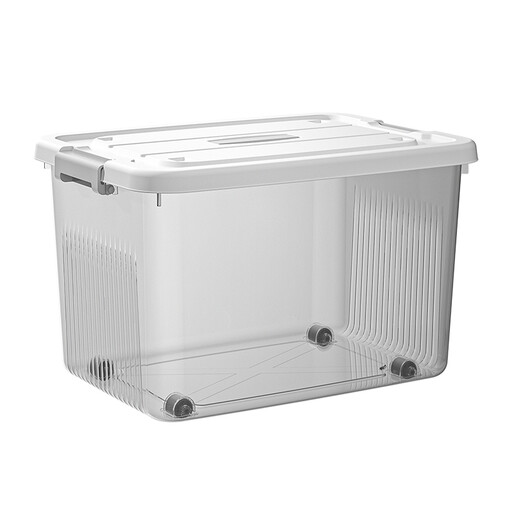
Why this set stands out?: This set is designed for bulk storage. Made from high-quality PP plastic, these boxes are all about durability. Their structure, thickened to 2.5?mm and reinforced with ribs, ensures excellent stability, even when full and stacked.
Pros?:
Who is it for? For anyone needing a high-volume storage solution that goes far beyond a simple food container for the fridge. Ideal for organising a pantry, laundry room, or storing non-perishable items.
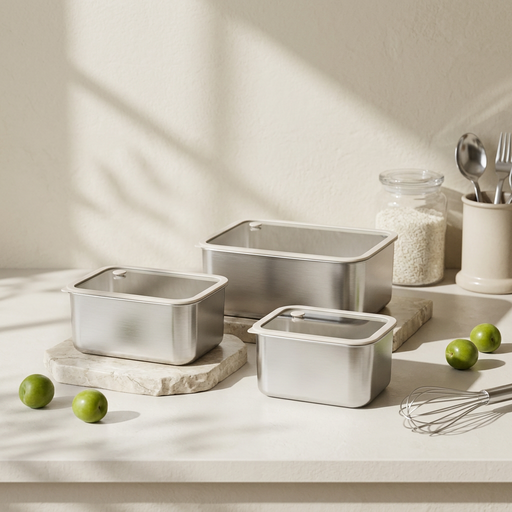
Why this set stands out?: This set combines the durability of food-grade 304 stainless steel with the smart design of a transparent lid. The stainless steel body, featuring a single-piece, coating-free construction, is the epitome of hygiene, resisting both stains and corrosion.
Pros?:
Who is it for? For meal prep enthusiasts and anyone who prioritises healthy, durable materials for keeping their food fresh. An excellent choice for taking lunch to the office without worrying about leaks.
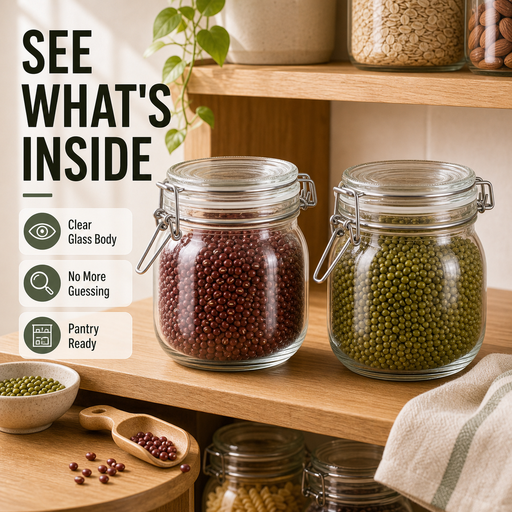
Why this set stands out?: These glass storage jars blend timeless design with modern efficiency. Their transparent borosilicate glass body lets you identify the contents at a glance. For the closure, the combination of a silicone seal and stainless steel clips ensures a foolproof seal.
Pros?:
Who is it for? For those who want to bring order to their pantry with containers that are as beautiful as they are effective for dry goods. An excellent sustainable alternative to disposable packaging.
If your main goal is freezing, know that there are containers specially designed to withstand sub-zero temperatures without cracking or warping. The choice of material and the flexibility of the lid then become essential criteria.
To find the perfect models for this purpose, take a look at our dedicated selection.
Discover our selection of freezer-safe containers
1. Glass vs. Stainless Steel?: What's the difference for storage? Glass has the advantage of being transparent (handy for seeing what's inside!) and microwave-safe (always without the lid). Stainless steel, on the other hand, is lighter and virtually unbreakable, making it the champion for transport. In both cases, you get hygienic, durable materials that don't retain odours.
2. How can I tell if a container is truly airtight? A good airtight food container can be identified by its flexible silicone seal, which fits the rim perfectly, and its locking system (clips or latches) that applies even pressure across the entire lid. The ultimate test? Fill the container with water, close it, and turn it upside down. If not a single drop escapes, you're good to go!
3. Can all food storage containers go in the microwave? Absolutely not! Only borosilicate glass containers are generally microwave-safe, and always with the lid removed. Stainless steel is strictly forbidden in the microwave. For plastic, look for the specific symbol that indicates it is microwave-safe. When in doubt, the golden rule is to always check the manufacturer's instructions.