
Livraison le jour même ou le lendemain

Qualité garantie

Débloquez vos offres de bienvenue: Livraison GRATUITE | Jusqu'à -80 % | 30 jours d'essai gratuits à JoyPlus
Téléchargez l'application
A good food storage container can be a game-changer in the kitchen, leading to less waste, better organisation, and healthier daily meals. The problem? The market is flooded with products and promises that often fall short. Warped lids, questionable seals, plastic that stains after the first use with bolognese sauce… these disappointments are all too common.
To help you navigate the options, our guide breaks down the pitfalls to avoid and the essential criteria for a smart purchase.
Nothing is more frustrating than investing in a set of containers that becomes unusable after just a few months. Here are the most common design flaws to watch out for:
To ensure you make the right choice, focus on these three criteria that define a quality airtight food container.
The choice of material is crucial and depends on your primary use.
The seal of an airtight food container is 100% dependent on its lid. The most reliable systems combine a silicone gasket (removable for thorough cleaning) with robust locking clips on all four sides. This design ensures uniform pressure and prevents leaks, even with soups or dressed salads.
A tidy kitchen is an optimised space. Before you commit to a set of storage containers, check these few points:
There's an ideal container for every need. Here is our selection for different profiles, based on the quality criteria we've just detailed.
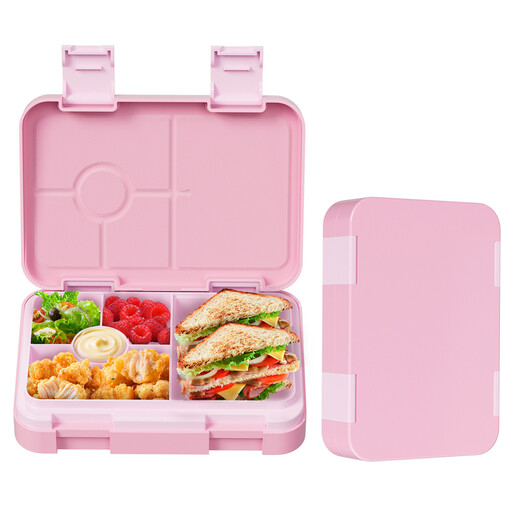
Perfect for meal prep enthusiasts who love to pack a varied lunch. Its five compartments allow you to separate the main course, sides, and dessert without the flavours mixing.
Its clever design directly addresses the problem of impracticality by offering a perfectly structured solution for meals on the go.
5 distinct compartments for perfect meal organisation. Double-clip locking system for secure transport.
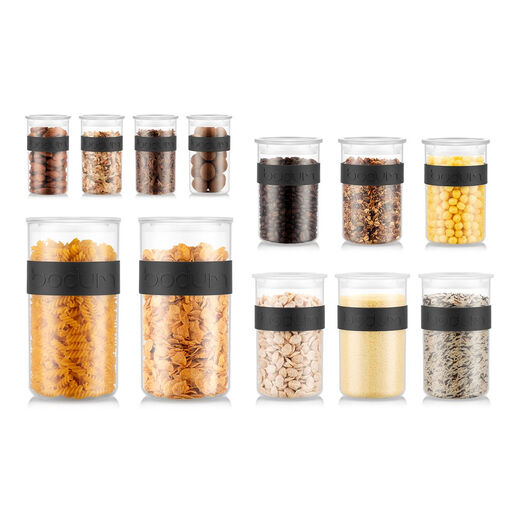
A must-have for those looking to bring order and harmony to their kitchen. This comprehensive 12-piece set in various sizes is perfect for storing everything from leftovers in the fridge to dry goods in the pantry.
This set avoids the headache of mismatched, unstackable containers. It provides a cohesive and optimised storage solution for both cupboards and the fridge.
Complete 12-piece set with 4 different sizes for maximum versatility. Made from BPA-free plastic with airtight lids.
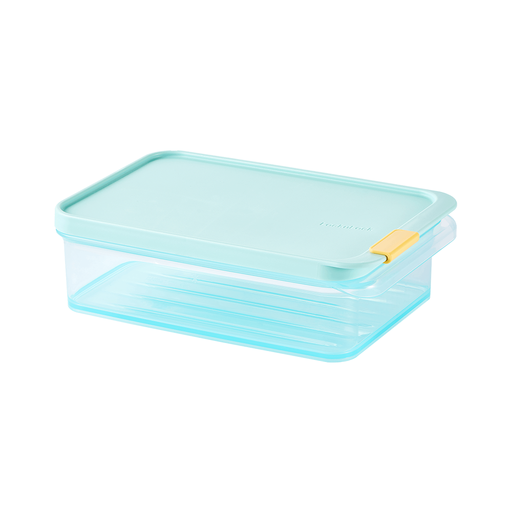
Specially designed for those who regularly freeze cooked meals, soups, or fresh produce. Its modular and stackable design optimises freezer space.
Its plastic is specially formulated to withstand freezing temperatures without cracking, thus avoiding the pitfall of materials unsuitable for freezing.
Modular design with ridged lids for ultra-stable stacking. Durable and BPA-free material, designed for the cold.

For those who swear by glass, a healthy and ultra-versatile material. This container goes from the fridge to the oven or microwave to reheat a dish, before being served directly at the table.
Borosilicate glass doesn't stain or retain any odours, solving one of the biggest flaws of low-quality plastic containers.
Made from heat-resistant borosilicate glass. Extreme versatility (freezer, microwave, oven, dishwasher).
Explore our full selection of products that meet our quality criteria and current safety standards.
The "BPA-free" label must be clearly visible on the packaging or the product itself. This is a regulatory requirement for polycarbonate containers. When in doubt, opt for plastics with recycling codes 2 (HDPE), 4 (LDPE), or 5 (PP), which are considered safe for food contact.
Absolutely not! It is imperative to check the pictograms on the product or its packaging. Most borosilicate glass containers are microwave-safe (and even oven-safe), but always without their lids. For plastic, only containers displaying the appropriate symbol are compatible. In any case, it's advisable to vent the lid to allow steam to escape.
This is plastic's main weakness. To limit the damage, rinse the container with cold water immediately after use, before washing it with hot water and soap. Another old-school trick: lightly coat the inside with vegetable oil before adding your sauce. The oil will form a protective barrier.
Article written by our product experts, your guide to informed purchasing.