
Livraison le jour même ou le lendemain

Qualité garantie

Débloquez vos offres de bienvenue: Livraison GRATUITE | Jusqu'à -80 % | 30 jours d'essai gratuits à JoyPlus
Téléchargez l'application
Finding the perfect food storage container can be a daunting task. With all the different materials, sizes, and locking systems, it's easy to get lost. Yet, the right container makes all the difference?: say goodbye to leaks in your bag, food losing its freshness, and a messy fridge. This guide is here to help you make an informed decision and choose the containers that will truly fit your daily life, whether for meal prep, your midday lunch box, or simply to better organise your kitchen.
Before diving into our selection, let's review the essential criteria for making the right choice.
This is the number one criterion. The material of your container will directly impact its use, durability, and maintenance.
For transporting a saucy dish or ensuring maximum freshness, an airtight food container is non-negotiable. A proper seal depends on two key points?: the quality of the gasket (usually silicone) and the effectiveness of the locking system (clips, screw-on lid).
Also, think about space optimisation. Stackable containers are a major advantage for organising your cupboards and refrigerator. Nesting models, which fit inside one another, are also a smart solution for compact storage.
Your habits will dictate the necessary compatibilities. For a meal prep container, being able to go from the freezer to the microwave (or oven for glass) is a decisive advantage. A word of advice?: always read the manufacturer's recommendations. Not all plastics can withstand the microwave, and sometimes, only the container (without its lid) is allowed. Likewise, only borosilicate glass is designed to handle thermal shock and go into the oven safely.
Our team has carefully reviewed the models available on Joybuy to offer you a selection that meets the most common needs.
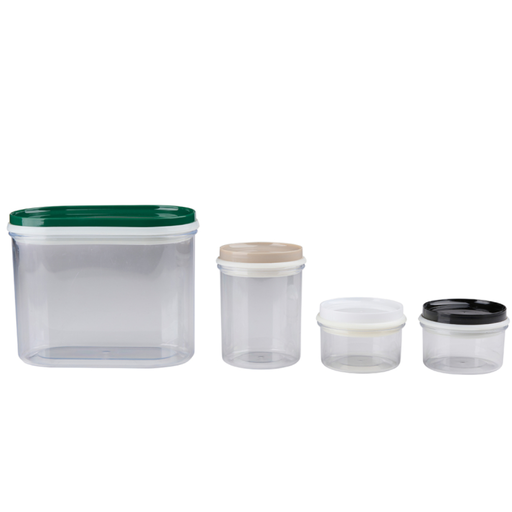
Why this model stands out?: This set of storage containers from Alpina is an excellent starter kit. It offers four different sizes (from 90 ml to 970 ml), covering everything from a small sauce to a full meal. Its polypropylene (PP) plastic construction makes it lightweight and practical for daily use.
Advantages?:
Who is it for?? This set is particularly suitable for those looking for a complete and affordable first set to organise their kitchen, store leftovers, or prepare snacks.
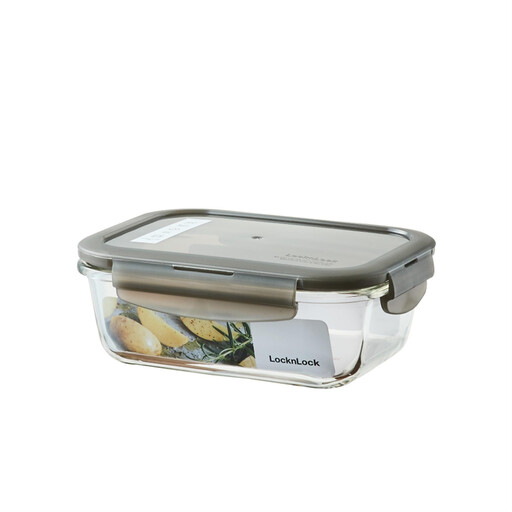
Why this model stands out?: This container from Lock&Lock's Boroseal range sets itself apart thanks to its material?: borosilicate glass. This feature gives it outstanding thermal resistance. It can go from the freezer to the oven (without its lid), making it the perfect partner for batch cooking and meal prep.
Advantages?:
Who is it for??Meal prep enthusiasts who want to cook, store, and reheat in a single dish. It is also the sensible choice for anyone who prefers glass for its durability and safety.
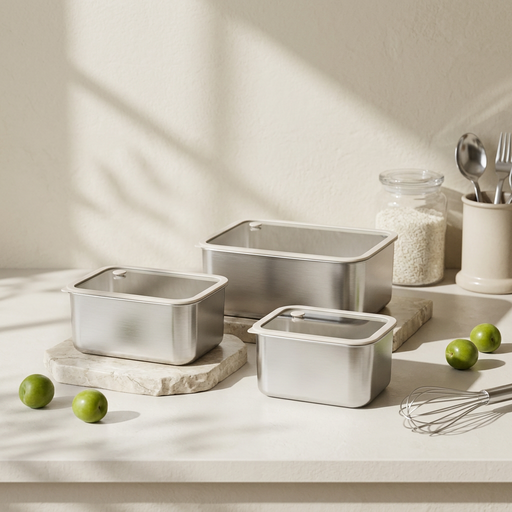
Why this model stands out?: This set of three PURE COOK containers focuses on durability and food safety with its 304 stainless steel body. With generous capacities (1000 ml, 1800 ml, 3000 ml), it is perfect for storing large quantities, preparing family-sized salads, or packing a picnic. The glass lid, which allows you to see the contents, is a real plus.
Advantages?:
Who is it for?? This set is aimed at families, batch cooking fans, and anyone looking for a durable and unbreakable alternative to plastic and glass, whether for fridge storage or transport.
Our selection covers the most common uses, but every kitchen has its own needs. Specific formats for freezing, other materials, different locking systems... the range of options is vast.
To explore our entire collection, feel free to browse our dedicated category.
? Discover our selection of freezer food storage containers
1. What is the difference between airtight and leak-proof?? An airtight container protects from air, which slows down oxidation and preserves freshness. A leak-proof container prevents liquids from escaping. In practice, most quality containers with a silicone gasket and locking clips are both.
2. How do you remove stubborn odours from a plastic container?? The most effective time-tested trick?: fill the container with a mixture of warm water and baking soda (or white vinegar) and let it sit for several hours. Rinse thoroughly. For stubborn cases (curry, tomato sauce...), letting the open container dry in the sun can work wonders.
3. Can all glass containers go in the oven?? No, and this is a crucial point. Only tempered glass, and more specifically borosilicate glass, is designed to withstand the high temperatures of an oven. Standard glass (like that of a jam jar) would risk shattering from thermal shock. Always check the pictogram indicating oven compatibility.