
Livraison le jour même ou le lendemain

Qualité garantie

Débloquez vos offres de bienvenue: Livraison GRATUITE | Jusqu'à -80 % | 30 jours d'essai gratuits à JoyPlus
Téléchargez l'application
One bike for your daily commute, another for weekend rides, and none that fit in your car's trunk? It's a well-known dilemma for the modern cyclist. How do you find a ride that can take you to the office during the week, tackle rugged trails on the weekend, and tuck away neatly in an apartment, car trunk, or RV storage bay? Faced with this challenge, the folding electric fat bike emerges as the near-perfect solution.
In this guide, we'll break down the key points to check before you buy and present our top model picks to help you find the ideal road companion—all without the indigestible marketing jargon.
Before you fall for a model, let's review the three elements that define a good bike in this category.
The primary appeal of an e-bike (electric-assist bicycle) is the ability to go farther, more easily. For a long-range electric bike, it all comes down to the battery capacity, expressed in watt-hours (Wh). A benchmark figure around 90 to 120 km gives you plenty of peace of mind, whether for your daily commutes or your weekend explorations. Of course, this theoretical range will always depend on the level of assistance you choose, the terrain's incline, your weight, and even headwinds! Finally, opt for a removable battery: it's a detail that makes all the difference for daily charging at the office or at home.
What immediately stands out on a fat bike are its oversized tires. These "fat tires" (often 4 inches wide) ensure maximum contact with the ground. The result? Impressive grip and stability on difficult surfaces like sand, snow, or muddy trails. Pair them with a good suspension fork, and you get a machine that smooths out imperfections in the road, turning your bike into a true all-terrain electric bike. The 20-inch folding bike format often represents the best compromise between agility in the city and capability off the beaten path.
Of course, its ability to fold is what makes it so valuable for city dwellers and travelers. A simple and fast folding mechanism isn't an option—it's a necessity. Remember to check the dimensions when folded to ensure it will fit in your home or trunk. The frame material also plays a role. A high-strength aluminum frame, for example, offers the winning trifecta: lightweight, robust, and resistant to corrosion. This makes it much easier to transport and handle on a daily basis.
Now let's move on to the models that caught our attention, whether it's a pure folding electric fat bike or a more classic mountain bike.
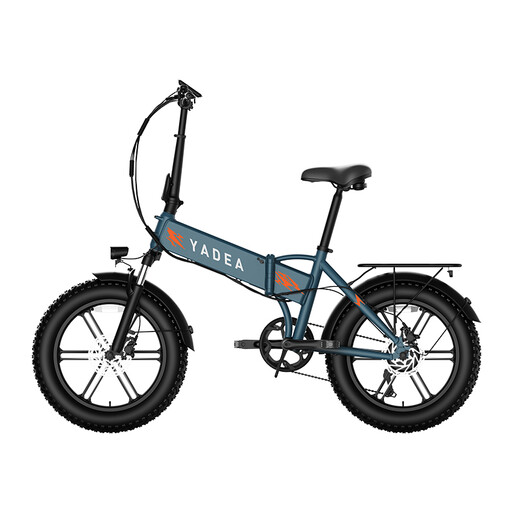
Why It Stands Out
The Yadea Rover is a top performer in the modern folding electric fat bike category. It combines a high-torque motor, perfect for climbing hills effortlessly, with a generous battery promising up to 120 km of range. Add a comprehensive folding system and thoughtful details like NFC unlocking or a USB-C charging port, and you have an ideal companion for both daily life and adventure.
Advantages
Who is it for?
For commuters short on space, weekend adventurers who love to go off the beaten path, or RV and boat owners looking for a compact and efficient mode of transport.
See the Yadea Rover (Green)See the Yadea Rover (Black)
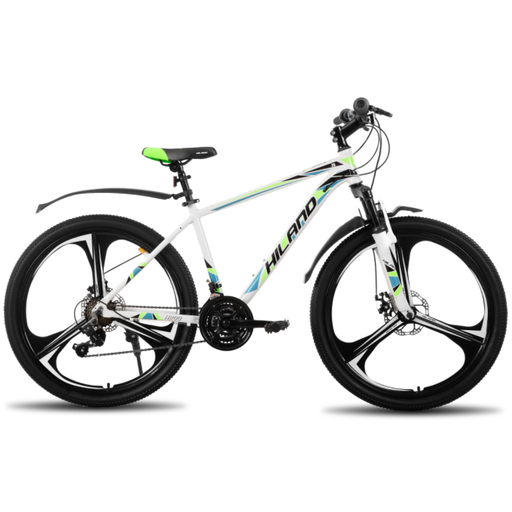
Why It Stands Out
For those who prefer the purity of a classic mountain bike, without electric assistance or a folding feature, the Hiland H200 Plus is a relevant alternative. Here, the focus is on light weight and agility for a more athletic ride, where only leg power counts.
Advantages
Who is it for?
This MTB is for purists and athletes looking for a simple and effective bike for their trail rides, training sessions, or commutes, without worrying about electric assistance or folding.
Discover the Hiland H200 Plus MTB
The perfect bike is, above all, the one that's right for you. If a lightweight and durable frame are non-negotiable criteria for you, other models are worth your attention.
Explore our collection of bikes with aluminum frames
The actual range depends on many factors. The figures provided by manufacturers (e.g., 90-120 km) are always measured under ideal conditions. In the real world, the range will vary significantly depending on the assistance level chosen, the total weight carried (cyclist + luggage), the incline, tire pressure, and the weather (a headwind is your worst enemy!). For mixed use, a realistic and conservative estimate is often around 70% to 80% of the maximum advertised value.
Let's be clear: yes. A folding electric fat bike is significantly heavier than a classic folding bike. The motor, battery, and large tires add considerable weight. A model with an aluminum frame typically weighs between 25 and 32 kg. While it folds to become compact, its weight means you'll only carry it over very short distances (a few stairs, hoisting it into a trunk), but certainly not for walking across a train station.
Absolutely, and that's one of its greatest strengths. Although built for adventure, a folding electric MTB is surprisingly comfortable in the city. Its wide tires act as natural shock absorbers, smoothing out road imperfections from cobblestones to potholes. The only small drawback? A slightly higher rolling resistance than thin tires, which will draw a bit more from the battery or your legs if you turn off the assistance.