
Livraison le jour même ou le lendemain

Qualité garantie

Débloquez vos offres de bienvenue: Livraison GRATUITE | Jusqu'à -80 % | 30 jours d'essai gratuits à JoyPlus
Téléchargez l'application
Whether you're chasing the nostalgic taste of a comfort snack or are simply curious, finding the perfect Asian appetiser can be a challenge. A staple of social gatherings in China, five-spice sunflower seeds are winning over more and more fans across Europe. Their unique, savoury, and aromatic flavour makes them the ideal snack for a quick break or for sharing with friends.
As the Head of Product Recommendations at Joybuy, my mission is to help you navigate the jungle of options out there. This guide is designed to present a curated selection of Chinese sunflower seeds and give you the keys to making the right choice, free from marketing jargon.
Before we dive into our top picks, let's review a few key criteria to help you find the product that's right for you.
The term 'five-spice' or 'five-flavour' refers to a traditional Chinese blend. While recipes can vary, they almost always include star anise, fennel, cinnamon, cloves, and sometimes a hint of Sichuan pepper. The result? A Chinese snack with a complex aromatic profile that is savoury and slightly aniseed-like, but almost never spicy. It's nothing like the simply salted sunflower seeds you find in Western supermarkets.
For your first tasting, opting for a well-known brand is always a smart move. ChaCha (洽洽) is undoubtedly the most famous and a reliable choice, praised for its consistent quality. Other brands like Laojiekou (老街口) or San Pang Dan (三胖蛋) also offer excellent alternatives, each with its own aromatic subtleties.
These salted and spiced sunflower seeds come in several sizes. The large 500g bags are great value, perfect for sharing with friends or for large family gatherings. Smaller, more compact sizes, around 150-200g, are ideal for a solo snack or for trying them out without committing to a large bag.
And now for our selection! Here are a few gems available in Europe, chosen for their quality recipes and convenient formats.
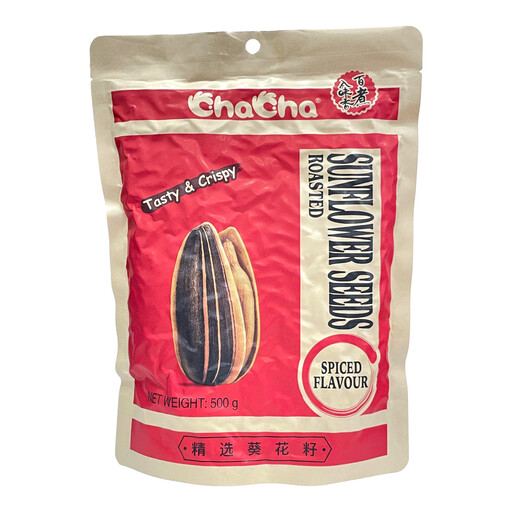
Why we love it: This is THE benchmark, the all-time classic. ChaCha's recipe is a model of balance and consistency. An authentic flavour that has won over millions.
Highlights:
Who is it for? For those who want to experience the original, iconic flavour of ChaCha sunflower seeds. It's the safe choice, whether you're a long-time fan or a curious newcomer looking to try the category leader.
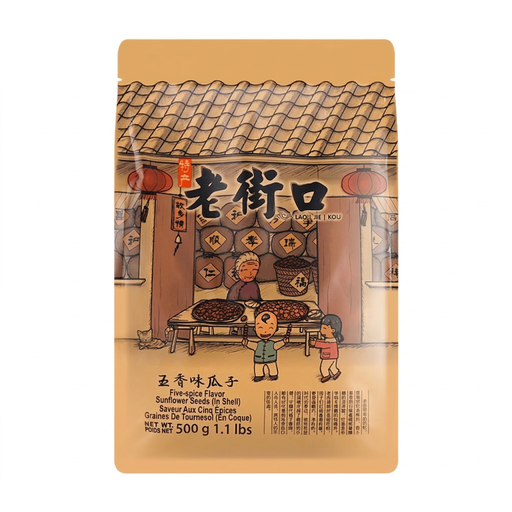
Why we love it: Laojiekou offers a gourmet take on the five-spice blend, with more pronounced notes of star anise and cinnamon. It's an excellent alternative for those who enjoy aromatic flavours with real character.
Highlights:
Who is it for? For fans of five-flavour sunflower seeds who want to explore an alternative recipe with a slightly different, but equally addictive, spice blend.
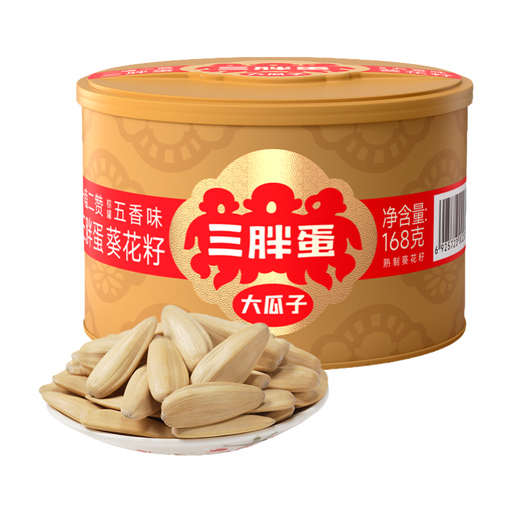
Why we love it: San Pang Dan stands out with its traditional recipe that includes Sichuan pepper for a unique twist. Its small size and resealable bag make it a super convenient option.
Highlights:
Who is it for? Ideal for the curious who want to try this Chinese snack without committing to a large bag, or for anyone looking for a snack to slip into their bag.
The world of Asian snacks is incredibly diverse. Have these five-spice sunflower seeds whetted your appetite? If so, why not explore other gourmet gems?
? Discover our complete collection of sweet Chinese snacks to find your next favourite.
The 'five-spice' flavour comes from a blend that, while variable, almost always contains star anise, fennel, cinnamon, cloves, and Sichuan pepper. The result is a taste that is primarily savoury and highly aromatic, with complex notes and a hint of sweetness. Rest assured, it's generally not spicy.
The traditional technique is to place the seed between your teeth (incisors or molars), bite down gently to crack the shell, then use your tongue to retrieve the kernel before spitting out the husk. It takes a little practice at first, but it quickly becomes second nature. It's a very popular pastime during moments of relaxation or chats with friends.
Yes, they are salty, but the salt is well-balanced by the richness of the spices. The saltiness can vary from one brand to another. To get a precise idea, it's best to take a look at the nutritional information on the packaging, especially the sodium content.