
Livraison le jour même ou le lendemain

Qualité garantie

Débloquez vos offres de bienvenue: Livraison GRATUITE | Jusqu'à -80 % | 30 jours d'essai gratuits à JoyPlus
Téléchargez l'application
Tired of the classic orange-apple juice? The world drinks aisle is beckoning, with its promises of faraway flavours and new taste discoveries. Mango, lychee, passion fruit... the selection of exotic fruit juices has never been more extensive. But beware: behind the colourful packaging can lie genuine disappointment. To help you navigate this jungle of flavours, here are the pitfalls to avoid and the essential criteria to check before you buy.
Making the right choice means knowing what to look for. Here are the three most common mistakes that can ruin your tasting experience.
To get it right, simply focus on a few key pieces of information on the label. These indicators will give you a very clear idea of the quality of your exotic drink.
This is the number one criterion. Regulations distinguish between several categories:
The takeaway? Always check the fruit percentage, which must be listed in the ingredients. A mango juice with 30% mango puree will offer a far more authentic experience than a drink with only 5%.
A short ingredient list is almost always a sign of quality. Rule of thumb: the first ingredients are the most abundant. If sugar or "glucose-fructose syrup" appears before the fruit, be wary. Also, pay attention to additives:
Beyond the classics like mango juice or passion fruit drink, dare to explore original fruit juices like soursop (sweet and tangy), calamansi (a small citrus from the Philippines), or tamarind (both sweet and tart). For the more adventurous, drinks like Mogu Mogu Lychee with its nata de coco pieces offer a dual experience—something to both drink and chew.
To guide you, here are a few gems that suit different tastes, based on the criteria we've just discussed.
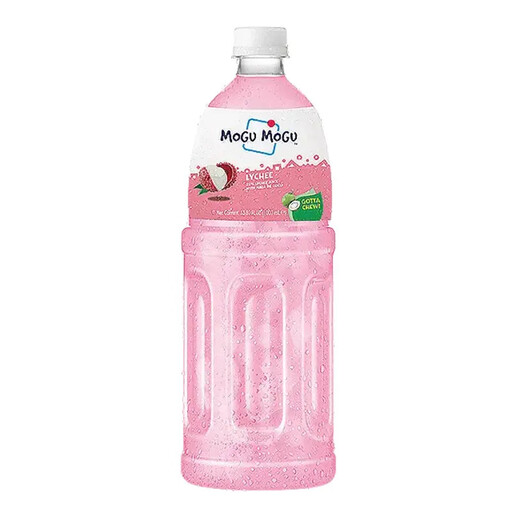
Why we love it: Perfect for fans of bubble tea and playful experiences. Mogu Mogu is the global benchmark for its unique "drink and chew" concept.
The brand is transparent: the 25% nata de coco (chewy coconut jelly cubes) is the main selling point. You know exactly what you're getting.
A fun texture and a distinct lychee flavour make it a uniquely refreshing drink-dessert.
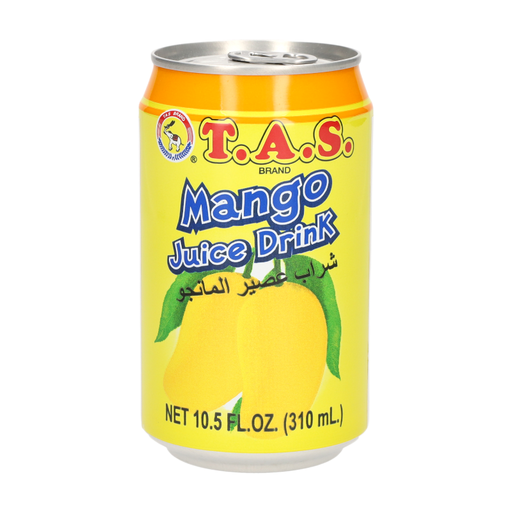
Why we love it: For those who want the authentic, rich taste of mango with no frills. A simple, straightforward drink that puts the fruit front and centre.
The composition is crystal clear, with a high fruit content: 30% mango puree. The ingredient list is short: water, mango puree, cane sugar, and an acidity regulator.
An intense mango taste and a smooth texture, a direct result of the high proportion of fruit puree.
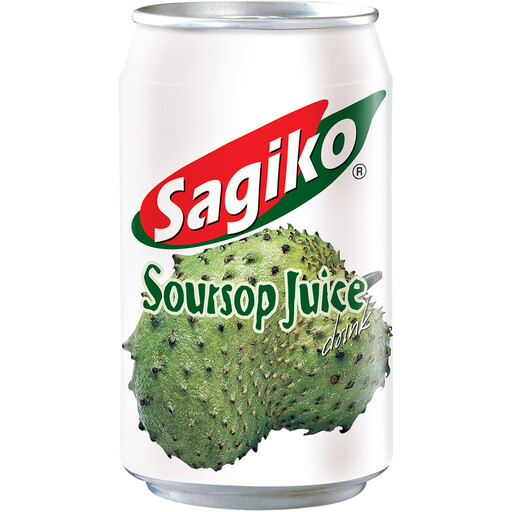
Why we love it: Perfect for the curious who have already tried the classic flavours and are looking for something truly new. Soursop (or *corossol*) is a fruit with a complex taste, often described as a cross between strawberry, pineapple, and citrus.
This product isn't trying to imitate anything. It bets everything on a unique and still niche flavour, appealing directly to a niche of discovery-lovers.
A truly exotic and original taste experience. It's like a trip to the tropics in a can.
Discover our full selection of drinks that meet our quality criteria and current regulations.
A "pure juice" (or "100% pure juice") is made only from pressed fruit (or rehydrated concentrated juice). In contrast, a "fruit drink" is a preparation based on water, sugar, flavourings, and a certain amount of juice or puree, often much lower than that of a nectar. For an authentic taste, always aim for the highest fruit percentage.
Whether it's in a bottle, carton, or can, your drink should be stored in the refrigerator once opened. It is advisable to consume it within 3 to 5 days to preserve its full freshness and flavour. Always refer to the instructions on the packaging.
These drinks are often a hit with older children. However, for very young children (generally under 4-5 years old), pieces like nata de coco pose a choking hazard, as often indicated by the manufacturer on the packaging. Therefore, vigilance is key: consumption must be supervised by an adult.