
Livraison le jour même ou le lendemain

Qualité garantie

Débloquez vos offres de bienvenue: Livraison GRATUITE | Jusqu'à -80 % | 30 jours d'essai gratuits à JoyPlus
Téléchargez l'application
By the Joybuy team, our sleep experts
Stiff neck and tense shoulders when you wake up? If this sounds familiar, especially after long days at the office, it's time to take action. A bad night's sleep can ruin your day, and the culprit is often the one you least suspect: your pillow. Far from being a simple accessory, an ergonomic neck pillow is a true wellness tool, designed to ensure the proper alignment of your spine.
This guide breaks down the essential criteria for finding the perfect model. We've then selected the best products currently available to help you make an informed choice.
Before diving into our selection, let's review the key points that separate a good ergonomic pillow from a useless gadget. Here's what you absolutely need to check.
The choice of material is crucial for comfort and support. The undisputed star of the category is the memory foam pillow (or viscoelastic foam). Its superpower? It reacts to your body's heat and pressure to perfectly mould to the contours of your head and neck. The result: weight is evenly distributed, pressure points vanish, and neck and shoulder pain become a distant memory.
Ergonomic pillows come in various shapes, but the most famous is the wave-like design with its two height levels. This intelligent design offers tailored cervical support for sleeping:
Whether you're looking for a pillow for side sleeping or back sleeping, it's essential to choose a shape adapted to your body type and nightly habits.
Here, it's all about balance. A good ergonomic pillow is neither too soft nor too firm. It must offer enough support to prevent your head from sinking, without sacrificing comfort. The height is just as crucial: a model that's too high or too low is sure to create neck tension. While most pillows are designed to suit a wide range of body types, taking a quick look at the dimensions before buying is never a bad idea.
Let's get practical with some models that have caught our eye, specially designed to relieve a sore neck.

Why it stands out? This Smartsleep model focuses on precision ergonomics, with a central contour to cradle the head. It's crafted from a high-density viscoelastic foam, perfect for relieving pressure. The real bonus? It's Oeko-Tex certified, guaranteeing materials free from harmful substances—a mark of safety for sensitive skin. Finally, ventilation channels integrated into the foam core ensure excellent air circulation to regulate temperature all night long.
Highlights:
Who is it for? For back and side sleepers who demand targeted support and are particular about the quality (and coolness) of their materials.
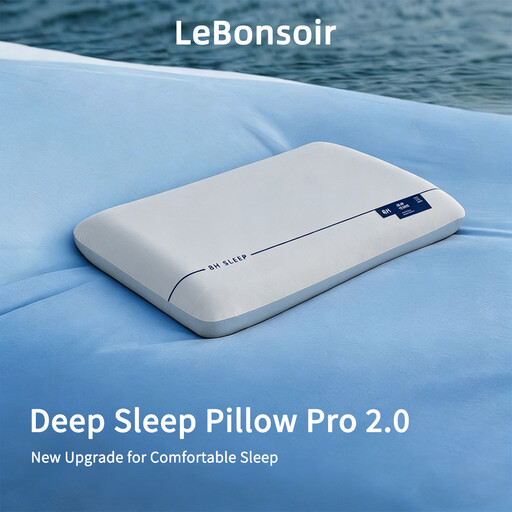
Why it stands out? The key word for this LEBONSOIR model is versatility. It's designed to adapt to all sleeping positions, whether you sleep on your side, back, or even your stomach. Its slow-rebound memory foam strikes the perfect balance between firmness and softness. The cervical contour is designed to follow the natural curve of the neck and shoulders, while the central dip helps open up the airways.
Highlights:
Who is it for? For restless sleepers who frequently change position during the night and are looking for a do-it-all orthopaedic pillow. It's also an excellent gift idea to relieve tension related to sedentary work.
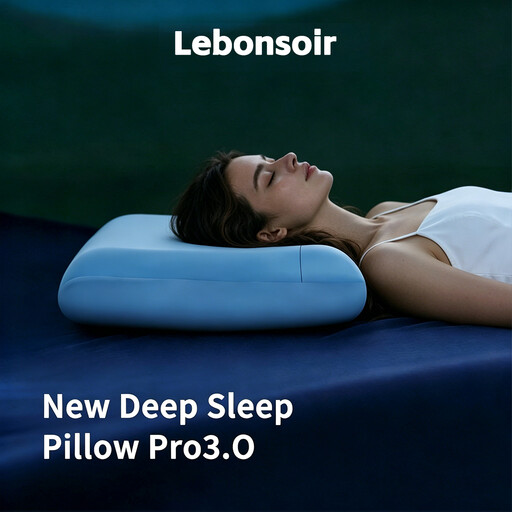
Why it stands out? The Pro 3.0 version takes it to the next level with its 3-layer foam construction. The first layer gently cradles the head, the second offers firm support to prevent sinking, and the third serves as a stabilising base. This complex architecture ensures progressive comfort and support. The icing on the cake: the cover has been redesigned to be even more breathable and to better regulate temperature.
Highlights:
Who is it for? For those who want top-of-the-line support technology and impeccable thermal management, without sacrificing versatility.
Comfort doesn't stop at the bedroom door. If you're also looking to spruce up your living room with touches that are as decorative as they are cosy, take a look at our other cushion collections.
Discover our collection of navy embroidered cushions for a touch of elegance in your home.
With a wave-shaped model, it's simple: the higher side goes under your neck if you sleep on your side, and the lower side if you sleep on your back. Your head should rest naturally in the central dip. The goal? To keep your spine as straight and neutral as possible.
A short adjustment period is often necessary, ranging from a few days to two weeks. Your body needs to unlearn its old habits and adopt this new posture. Our advice: if it doesn't feel comfortable right away, try using it for a few hours a night at first, then gradually increase the duration.
Generally, a quality memory foam pillow will last for 2 to 3 years. After that, the foam can lose its resilience and support. If your pillow is visibly sagging or your neck pain returns, that's the signal that it's time for a replacement.