Whether you work from home or in the office, the reality is the same: long hours spent sitting take a toll on your back. Far from being a gimmick, an ergonomic office chair is a true investment in your health and focus. But with a plethora of options available, how do you make the right choice? Our team of experts has analyzed the market for you. This guide provides everything you need to find the perfect model, along with our selection of the best chairs available today.
Key Features to Look for in an Ergonomic Chair
Before diving into our top picks, let's review the features that make all the difference. Here are three points you should never overlook.
1. Adjustability: The Key to a Tailored Fit
It's fundamental: a good chair should adapt to your body, not the other way around. Since every body is unique, look for the following adjustments:
- Seat Height: Your feet should rest flat on the floor with your knees at an approximately 90?degree angle.
- Seat Depth: Allow for a gap of two to three fingers between the edge of the seat and the back of your knees.
- Adjustable Armrests: Ideally, they should be adjustable in height, width, and depth (3D or 4D) so your forearms can rest naturally, relieving tension in your shoulders.
- Backrest Tilt: The ability to recline and lock the backrest at various angles allows you to change your posture throughout the day.
2. Lumbar Support: Your Best Defense Against Back Pain
Maintaining the natural curve of your spine isn't an option—it's a necessity. A good office chair for back pain must therefore include excellent lumbar support. This support can be:
- Fixed: Built into the shape of the backrest.
- Adjustable in height and/or depth: For a precise fit tailored to your body.
- Dynamic or adaptive: It automatically adjusts to your movements for constant support.
This feature is crucial for preventing fatigue and pain, especially if you use your ergonomic work-from-home chair intensively.
3. Materials: A Matter of Comfort and Durability
The upholstery of your chair directly impacts your daily comfort. The mesh office chair (breathable mesh) is especially popular. This material ensures excellent air circulation, preventing you from getting too hot or sweating during long work sessions. Being flexible, it also distributes pressure evenly. While fabric and leather have their advantages, mesh remains the gold standard for thermal comfort, especially in the summer.
Recommended Ergonomic Office Chairs
After analyzing technical specifications and user reviews, here is our selection of chairs that won us over.
SIHOO Ergonomic Office Chair
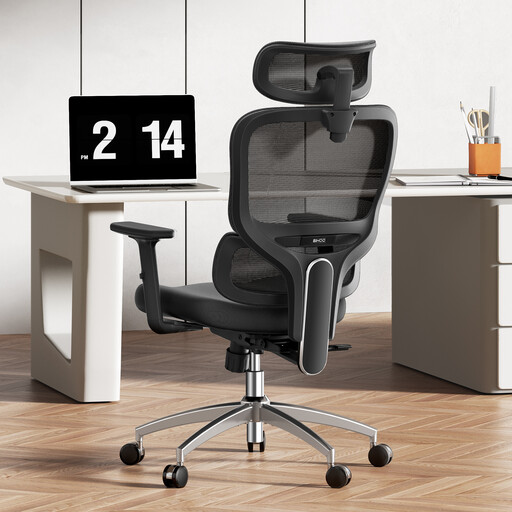
- Why we love it: This SIHOO model is an excellent entry point into the world of ergonomics. It includes essential features like 3D dynamic lumbar support and a mesh backrest, all with an understated design that fits in anywhere.
- Pros:
- 3D dynamic lumbar support that adjusts to your movements.
- Adjustable headrest and armrests for personalized comfort.
- Breathable mesh backrest to keep you cool.
- Smooth recline mechanism.
- Who is it for?: For remote workers and students looking for their first comprehensive ergonomic setup without breaking the bank. It's a versatile choice for daily use.
See product on Joybuy.fr
SIHOO Doro C300 Ergonomic Office Chair
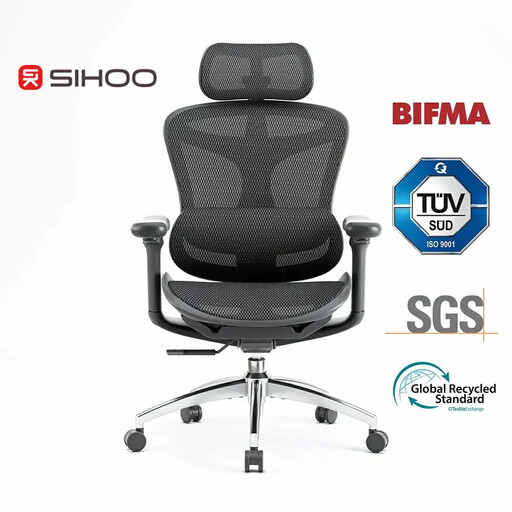
- Why we love it: The Doro C300 is a clear step up in quality. Its self-adapting lumbar support mechanism and dynamic backrest tracking system provide support that is both constant and precise. The finishes and quality of materials are designed for durability and superior comfort.
- Pros:
- Self-adapting lumbar support that intelligently responds to your posture.
- Ultra-soft 3D armrests that synchronize with the recline.
- Smart mechanism that detects the user's weight for perfect balance.
- Quality and safety certifications (T?V, EN1335).
- Who is it for?: Demanding professionals, gamers, or anyone who spends more than 8 hours a day in front of a screen and seeks exceptional postural support.
See product on Joybuy.fr
SIHOO M18 Ergonomic Office Chair (Morandi Pink)
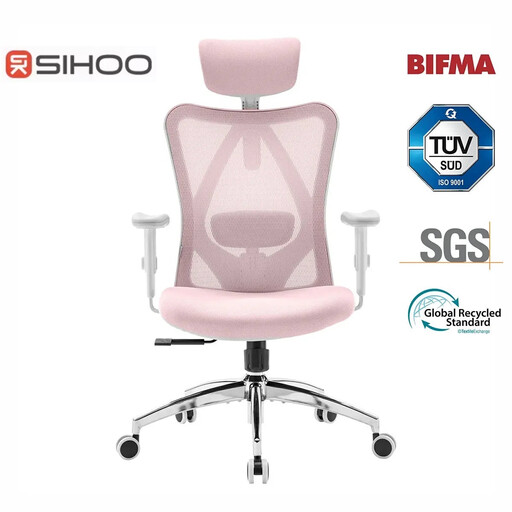
- Why we love it: The SIHOO M18 office chair proves that ergonomics can also be stylish with its Morandi Pink finish. It doesn't sacrifice support, offering 4 support points (head, back, hips, hands) and comprehensive adjustments.
- Pros:
- Full ergonomic support with an adjustable headrest, lumbar support, and armrests.
- S-shaped backrest to follow the curve of the spine.
- Sturdy frame, certified to support up to 150?kg.
- Simple 8-step assembly.
- Who is it for?: For those who want to combine ergonomic performance with a touch of design in their office. Perfect for a home office, a student's room, or a creative space.
See product on Joybuy.fr
Didn't Find Your Perfect Match?
None of these models caught your eye? No problem. Our catalog is filled with other gems to furnish your workspace. Explore our full category to find the chair or office furniture of your dreams.
Discover the entire Office and Home Office Furniture category
Ergonomic Chairs: Your Questions, Answered
1. Standard vs. Ergonomic Office Chair: What's the Difference?
It all comes down to adjustments and support. An ergonomic office chair is designed to promote good posture and reduce strain, whereas a standard chair often provides only the bare minimum in terms of adjustments and support.
2. What is the lifespan of a good ergonomic chair?
It depends on the quality of the materials, the manufacturing, and your usage. Generally, a good model will last you between 5 and 10 years. A good indicator is the length of the warranty offered by the manufacturer. It's often a sign of confidence in the product's durability.
3. How do I adjust my chair to stop having back pain?
Follow these 4 steps for a perfect setup:
- Adjust the seat height: Sit down and adjust the height so your feet are flat on the floor and your knees are at a 90° angle.
- Adjust the seat depth: Leave a gap of 2 to 3 fingers between the front edge of the seat and the back of your knees.
- Position the lumbar support: Adjust it to perfectly match the natural curve of your lower back.
- Set the armrests: Your elbows should form a 90° angle when your forearms are resting on them, without your shoulders being shrugged.


