
Livraison le jour même ou le lendemain

Qualité garantie

Débloquez vos offres de bienvenue: Livraison GRATUITE | Jusqu'à -80 % | 30 jours d'essai gratuits à JoyPlus
Téléchargez l'application
Whether you're working from home, spending a full day at the office, or in an intense gaming session?—hours spent glued to your desk can quickly become an ordeal. Neck tension, lower back pain, fatigue... The culprit is often the same?: an unsuitable chair. Far from being a luxury, investing in an ergonomic office chair is a necessity for protecting your back, well-being, and focus.
But with an overwhelming number of options, it's hard to know where to start. This guide is here to help you navigate the choices and present a selection of models that meet different needs and budgets, all without the unnecessary marketing jargon. The goal?: to equip you with everything you need to make the right choice, whether for your office or your gaming setup.
Before diving into our selection, let's review the essential criteria. These key points will help you evaluate the options and find the chair that will truly adapt to your body and your habits.
A good chair should adapt to you, not the other way around. Lumbar support is arguably the number one criterion. It should follow the natural curve of your lower back to relieve pressure on your vertebrae. Some models offer support that is adjustable in height and depth?—a real bonus for a tailored fit.
But lumbar support isn't everything. Also, be sure to check for the following adjustment options?:
The upholstery of your chair has a direct impact on your comfort, especially during prolonged use.
For those aiming for absolute comfort, an ergonomic chair with a built-in footrest is an option worth serious consideration. This feature allows you to recline almost fully during a break, elevate your legs to improve circulation, or simply adopt a more relaxed posture for reading or watching a video. It's a versatile asset that transforms a simple office chair into a true relaxation space.
We have selected three models that stand out for their features, design, and suitability for different user profiles.
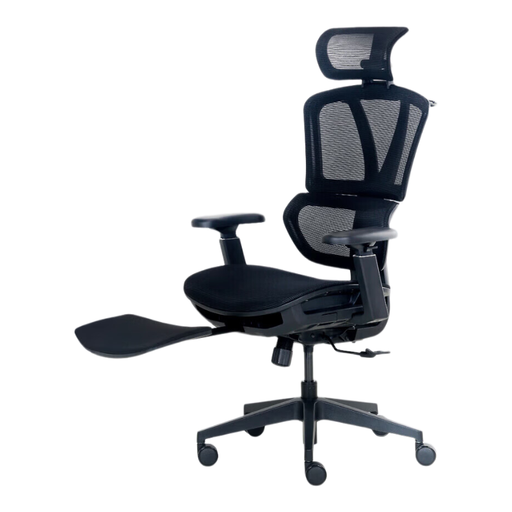
Why it stands out?: The Z9 Smart Chair focuses on an intelligent, all-in-one design. Its dual back support is engineered to dynamically conform to and support the lumbar region, while the integrated coat hanger and footrest make it a highly practical solution for daily use.
Pros?:
Who is it for??: Remote professionals and versatile users looking for a comfortable and multifunctional office chair that can effortlessly switch from a working position to a relaxation mode.
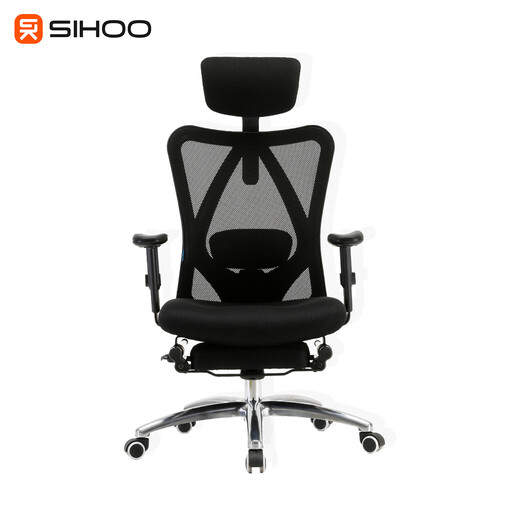
Why it stands out?: The Sihoo M18JT model focuses on deep customisation and excellent ventilation. With five distinct adjustment zones and a full-mesh backrest, this chair is designed to precisely fit your body while keeping you cool.
Pros?:
Who is it for??: Individuals working long hours at the office or at home, especially those sensitive to heat or seeking maximum adjustability to find their ideal posture.
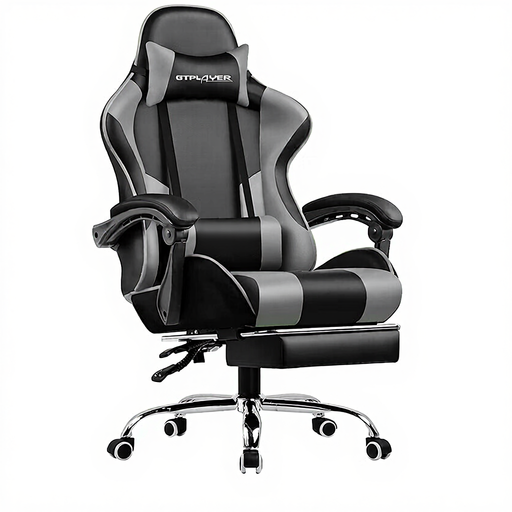
Why it stands out?: This GTPLAYER model blurs the lines between an ergonomic office chair and a gaming chair. Its bold aesthetic is complemented by features focused on immersive comfort, including a lumbar cushion with a USB-powered massage function.
Pros?:
Who is it for??: Gamers (hence its gaming chair designation) and users who appreciate a supportive, bucket-seat feel and bonus features like massage. It's an excellent choice for those who want a chair with a bold style for mixed work-leisure use.
If a new chair isn't your immediate priority but you want to improve your posture, an accessory can make a big difference. A separate footrest can help relieve pressure on your legs and back.
Discover our selection of Adjustable Footrests to complete your setup.
While both aim for long-term comfort, their approach and design differ. The ergonomic office chair often prioritises discreet adjustments and a subtle aesthetic, with an emphasis on dynamic postural support (like adaptive lumbar support). The gaming chair, on the other hand, adopts an aesthetic inspired by racing car bucket seats, offering a more enveloping hold, removable head and lumbar pillows, and features often focused on immersion (like massage or vibrant colours).
The lifespan of a chair depends on the quality of its materials and the intensity of its use. An entry-level model will likely show its limitations after one or two years. In contrast, a mid-range or high-end chair with a metal frame and quality materials is designed to last five to ten years, or even longer with minimal maintenance. It's a long-term investment in your comfort.
Absolutely, and for several reasons. A footrest helps maintain correct posture, especially if your desk is slightly too high and your feet don't rest completely flat on the floor. It also promotes blood circulation in the legs by reducing pressure points under the thighs. During breaks, it allows you to stretch and relax more effectively.